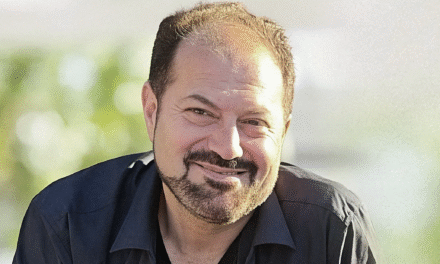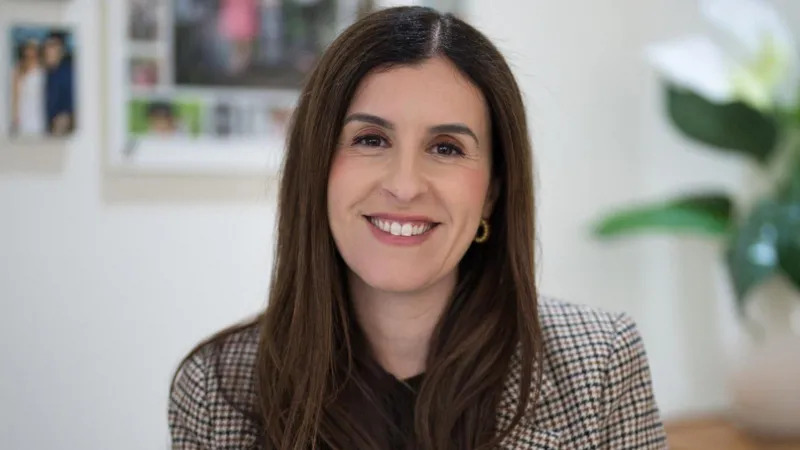
An Australian literary festival has imploded after its board disinvited Palestinian Australian author Randa Abdel Fattah, triggering a mass boycott, a cascade of resignations, and the event’s ultimate cancellation. The controversy has ignited a fierce national debate about free speech, political pressure, and the silencing of Palestinian voices.
Adelaide Writers’ Week, a flagship event of the Adelaide Festival, was scheduled for late February 2026. Last week, its board removed Abdel Fattah from the program, where she was to discuss her novel Discipline.
The board cited “cultural sensitivities” and an “unprecedented time” following the December mass shooting at a Jewish festival in Bondi, while stressing it did “not suggest in any way” she had any connection to the tragedy. In a statement, they said the decision was made “out of respect for a community experiencing the pain from a devastating event,” but acknowledged it had instead “created more division.”
The backlash was swift and overwhelming. Approximately 180 to 200 invited writers and speakers withdrew in solidarity. This included all First Nations writers and high-profile figures like former New Zealand Prime Minister Jacinda Ardern, former Greek Finance Minister Yanis Varoufakis, and author Zadie Smith.
Varoufakis posted a video tearing up his “precious” invitation, claiming the festival had been “destroyed” by the “Zionist lobby.” Organizations including The Australia Institute and Writers SA pulled their support.
The festival’s director, Louise Adler, resigned, writing in The Guardian that the board’s decision “weakens freedom of speech and is the harbinger of a less free nation.” She added, “I could not be party to silencing writers.” The chair and all remaining board members of the Adelaide Festival followed suit, leading to the board’s confirmation that Writers’ Week 2026 “would no longer proceed.” They issued an apology to Abdel?Fattah “for how the decision was represented.”
Abdel?Fattah, an award-winning novelist and academic, publicly rejected the apology as “disingenuous.” On Instagram, she stated, “It adds insult to injury. It is clear that the board’s regret extends to how the message of my cancellation was conveyed, not the decision itself.”
She called her removal “a blatant and shameless act of anti-Palestinian racism and censorship, and a despicable attempt to associate me with the Bondi massacre.”
She has since launched legal action, with her lawyers issuing a concerns notice to South Australian Premier Peter Malinauskas over comments she says defamed her. “This was a vicious personal assault on me, a private citizen, by the highest public official in South Australia,” she said. “It was defamatory and it terrified me.”
Premier Malinauskas, whose government backs the festival, said he “wholeheartedly” supported the exclusion and had “absolutely made clear to the board that I did not think it was wise” to invite her. He denied influencing the board’s decision or threatening funding, but stated, “Knowing that others have been advocating against cultural safety, I feel as if I had no choice but to form the view that I did.”
His position aligned with lobbying from groups like the Jewish Community Council of South Australia, whose representative, Norman Schueler, said Abdel Fattah’s removal was “a very wise move.”
The saga has exposed accusations of double standards. Critics, including Malinauskas, noted that Abdel Fattah was among academics who in 2024 wrote to the festival requesting the removal of New York Times columnist Thomas Friedman over a column comparing Middle East actors to animals.
The board at that time declined to cancel him, citing artistic freedom. Abdel?Fattah rejected the hypocrisy charge, arguing Friedman’s article “compared various Arab and Muslim nations and groups to insects and vermin,” while she was cancelled because her “presence and identity as a Palestinian was deemed ‘culturally insensitive’.”
The fallout has left the festival board-less weeks before its start, with a new board appointed to salvage the broader Adelaide Festival. The incident has become a focal point for broader anxieties.
As author Richard Flanagan warned, “In saying one Australian writer cannot speak, inevitably more and more Australian writers will find themselves also unable to speak.” For Abdel Fattah, the episode is part of a pattern. “The only Palestinians they will tolerate are silent and invisible ones,” she said, signing off one with a reminder: “I am not the story. Palestine is.”
By Kanza Eemaan