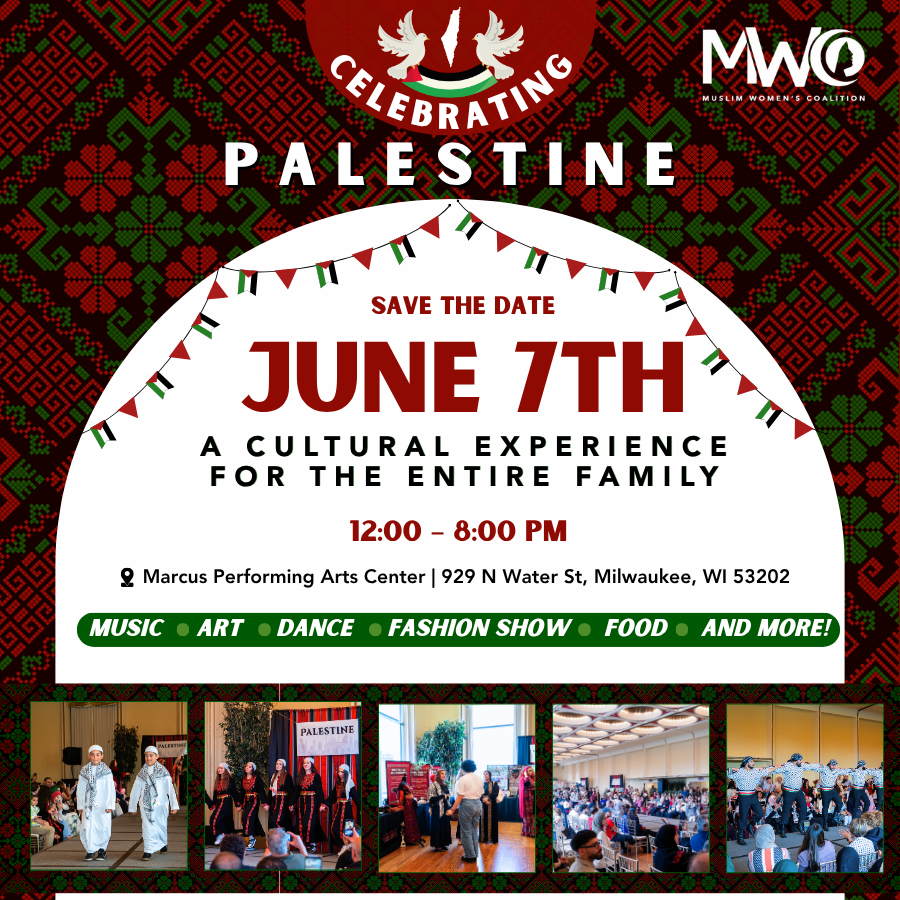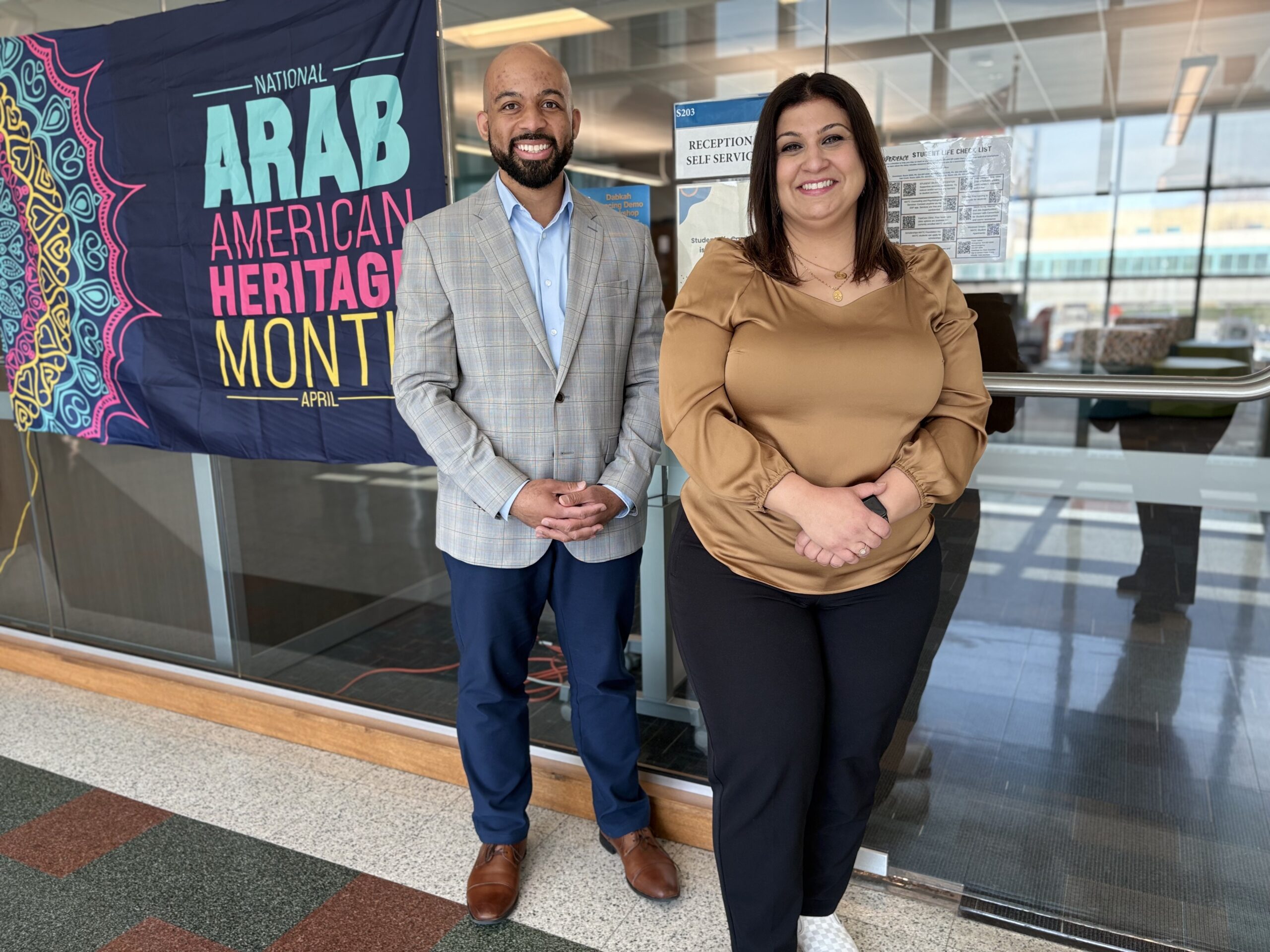
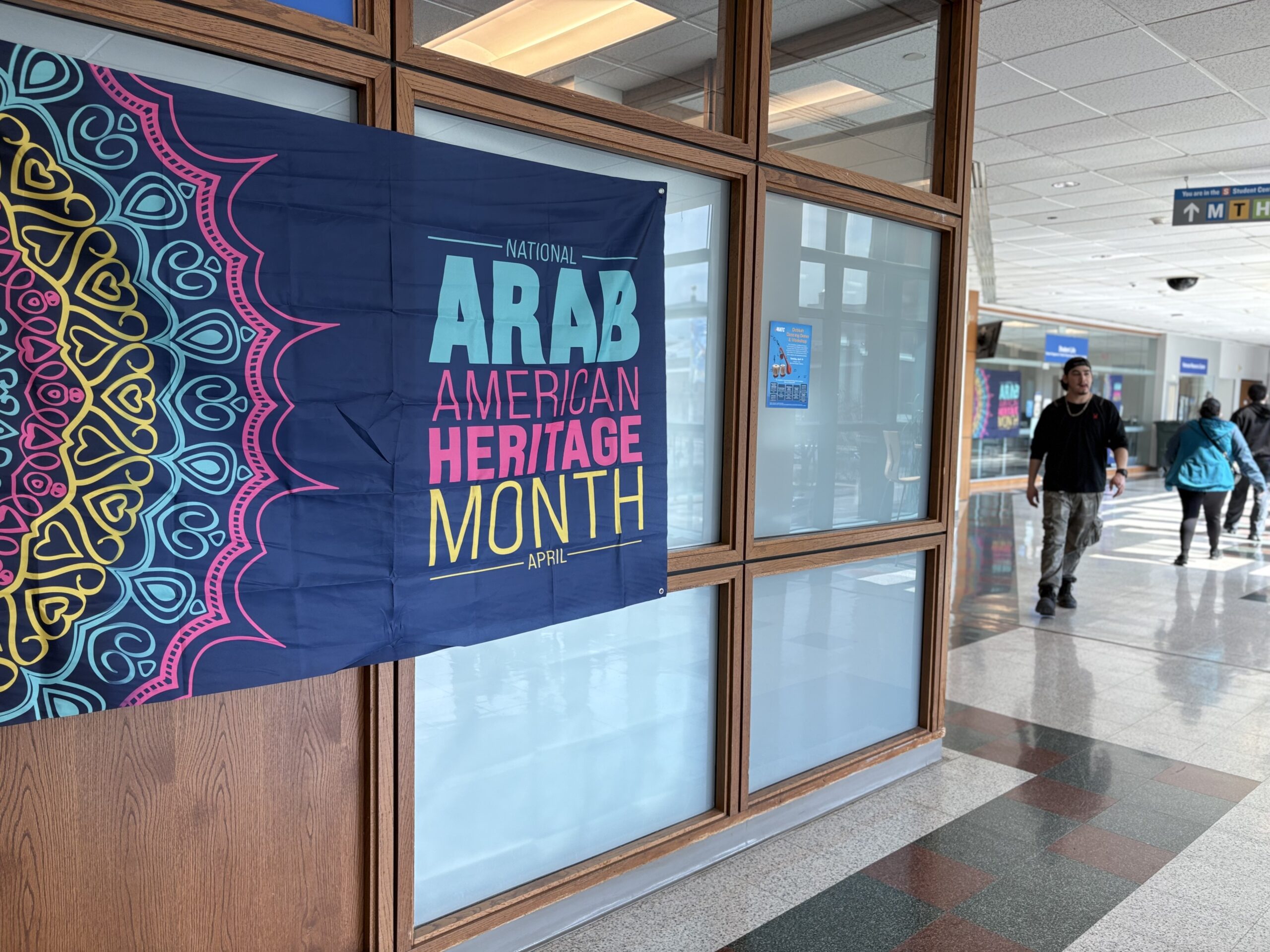
In the eight years Sawsan Rizeq has worked at the Milwaukee Area Technical College, she has not seen a celebration of Arab American Heritage Month on campus—until now.
“We’ve had iftar (breaking of the Ramadan fast) and I appreciated it, but that was honoring Muslims,” the Palestinian American supervisor of advising told Wisconsin Muslim Journal. “Not all Arabs are Muslim and not all Muslims are Arab. It’s not the same as celebrating our Arab heritage.”
April is National Arab American Heritage Month. But it was not until April 1, 2021, that the United States Department of State proclaimed April as the month to celebrate Arab American Heritage, and 2023 when President Joe Biden issued an official proclamation.
Rizeq sees Arab American Heritage Month as a month-long opportunity to share her culture with others. “I was raised to be really proud of who I am and where I come from,” Rizeq said. “I never shy away from educating people. In fact, I love when others ask me questions.”
Inspired by the college’s celebration of Hispanic Heritage Month and Black History Month, Rizeq decided to pursue MATC’s approval to organize a month of fun, yet meaningful, celebration of her heritage and culture.
Of course, it will include Arabic food. “Everybody loves it, but there is much more to our culture than our delicious food,” she said.
Making it happen
When Rizeq reached out to Michael Rogers, vice president of student engagement and community, she found he had the same idea. V.P. Rogers, who has been at MATC for two years, began searching for a prominent speaker on Arab heritage last year, but wasn’t able to land one. When he and Rizeq spoke earlier this year, he told her he already had a phenomenal keynote speaker in mind.
“This is the first time we are formally acknowledging and celebrating Arab American Heritage month as a college,” Rogers noted. “It’s a great opportunity to do something for the first time, something we can continue to build upon. I think it’s a great opportunity not only to provide an opportunity for people to learn about a culture, but also to dispel myths and stereotypes in this specific instance for Arab American culture and heritage.
“With MATC being one of the most diverse educational institutions in the Midwest, with 55% students of color and equity as a strategic priority for the college, we should be leading these conversations,” he said. “This event is an opportunity to deepen our commitment to our diverse student body.”
While Rogers garnered support from the administration and booked Dr. Nadine Naber as the keynote speaker, Rizeq reached out across campus to faculty, staff and students. She was pleased with the response.
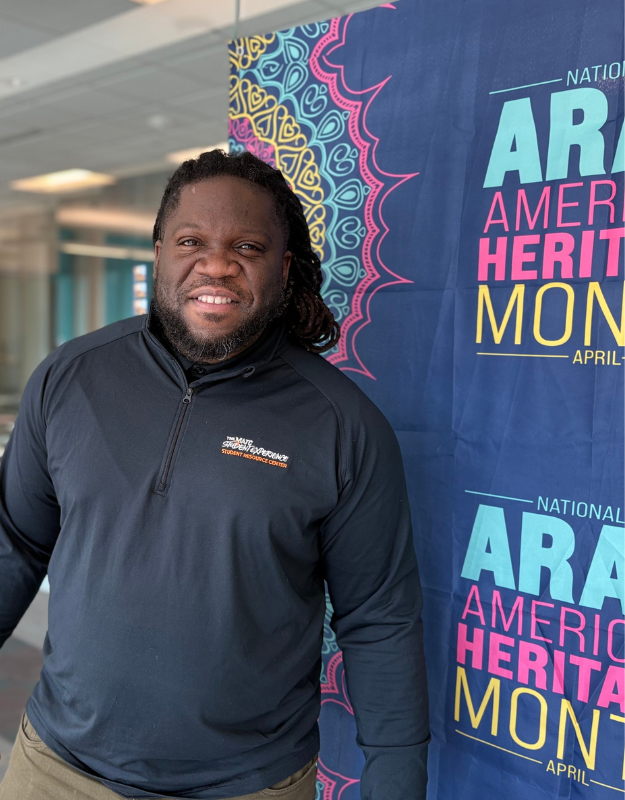
Equon Burrows, Ph.D., MATC dean of student experience
Equon Burrows, Ph.D., MATC dean of student experience, pledged his support. A committee of staff members and student workers will help people find and check into each event, Rizeq said. Executive Administrative Assistant Jolene Arnold has been her right-hand woman, helping with planning, paperwork and phone calls.
Rizeq also reached out to people who have hosted Arab American cultural events for other institutions for ideas. She scheduled a coffee with Rajwa Abukhamireh, a staff member at Greendale Middle School, where they had an impressive celebration. Rizeq started dreaming of all the things she could do at MATC.
She wanted it to be a mix of learning and fun. Henna tattoos, dabka dancing and Arabic food would be mixed with informative lectures. “I know people are interested in our culture. I know students are curious,” Rizeq said. “We are an educational institution, so why not provide extra platforms for Arab voices that address the curiosity of the students?”
As plans developed, Rizeq’s anticipation grew. “I’m super excited for this. I’m super excited for every event!” she said.
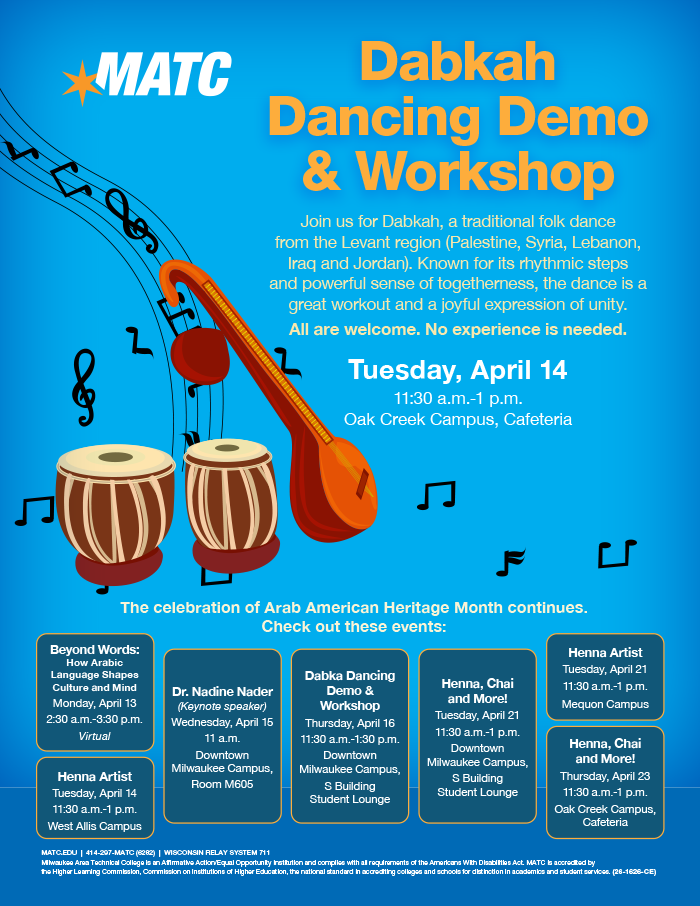
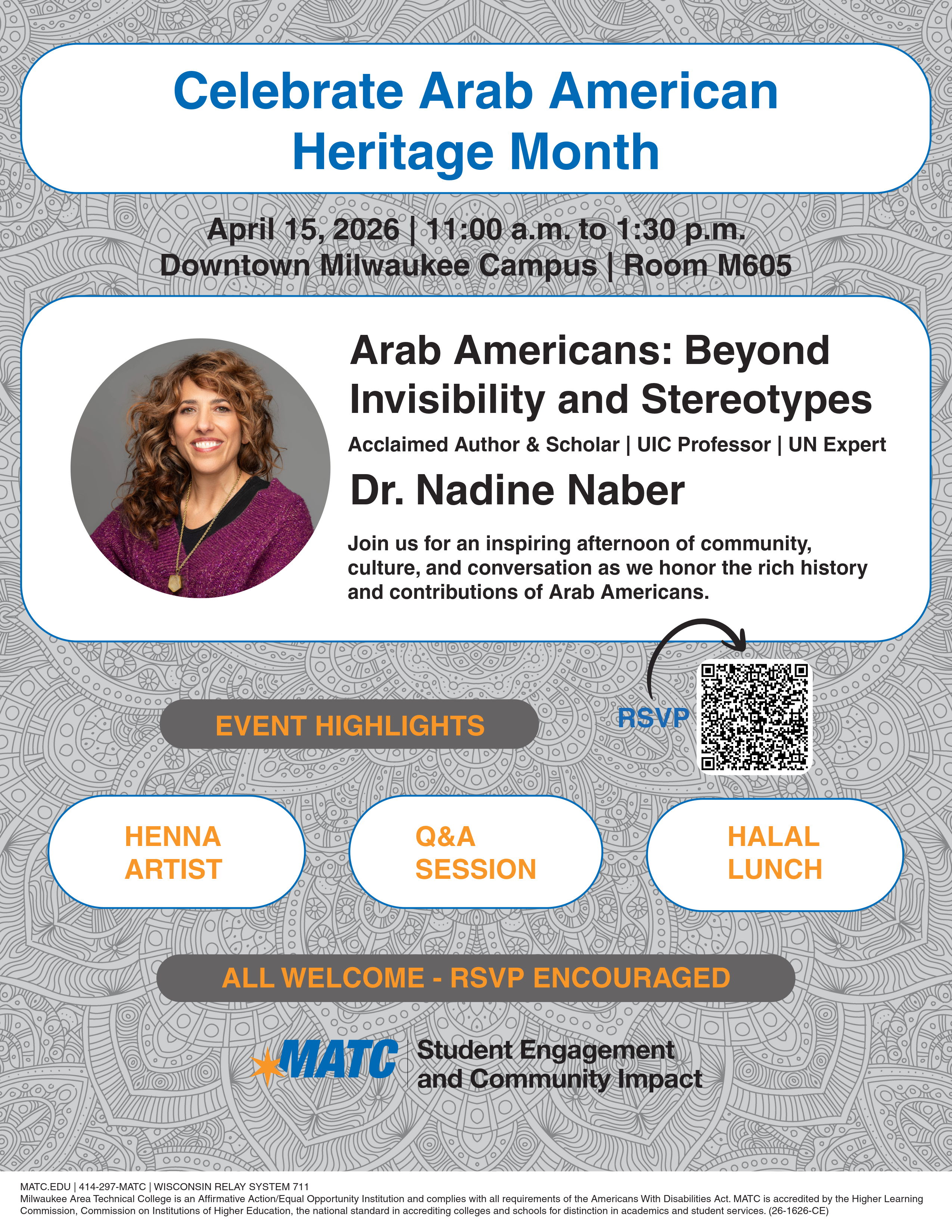
Arab American Heritage Month at MATC
MATC’s celebration of Arab American Heritage month features fun, food, art and opportunities to learn more about Arab culture, with events held across all five MATC campuses. All events are opened to the public, including:
Featured keynote address
Nadine Naber, Ph.D., will deliver a keynote address, Arab Americans: Beyond Invisibility and Stereotypes, Wednesday, April 15, 10:45 a.m. to 12:30 p.m. in Room M605, at MATC’s downtown campus.
Dr. Naber, a University of Illinois Chicago professor and United Nations expert, recognized for her work in liberation movements for diverse communities, speaks nationwide on some of the most urgent issues of our times: racism and Arab Americans, global feminism, women of color-led activist movements, motherhood and crises in higher education.
Her talk is free and open to the public. Registration is required. It will be followed by a complimentary halal Arabic lunch. Register here.
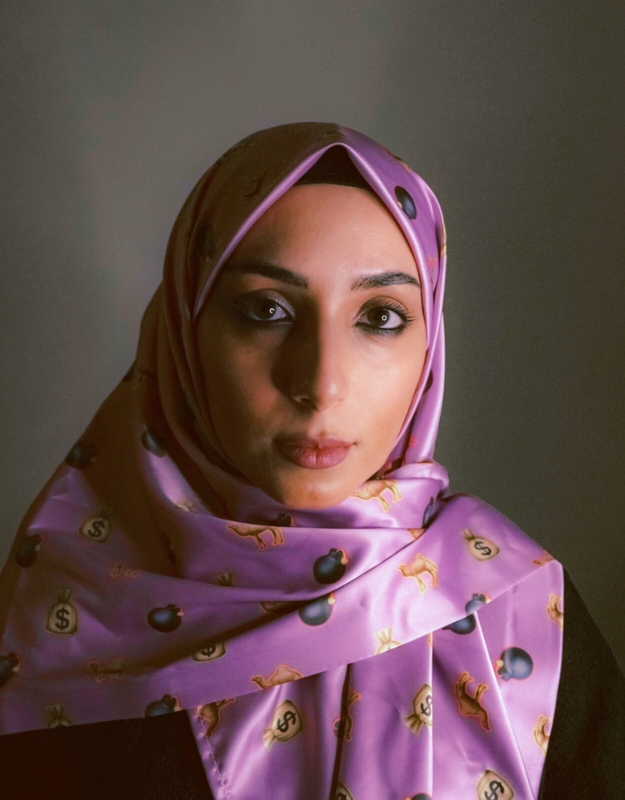
Artist Amal Azzam
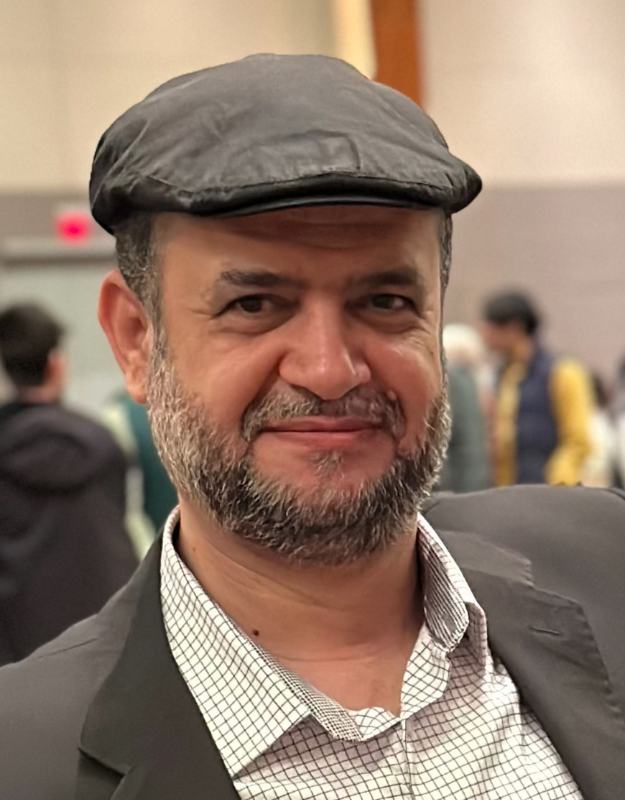
Omar Da san, Ph.D., MATC Arabic Language Instructor
Art by Palestinian American artist Amal Azzam on display
Artist Amal Azzam is well-known by the Milwaukee Muslim community. The daughter of Palestinian refugees, “her work reflects the layers of trauma, freedom and misconceptions she carries in her identity,” says her bio on the Wisconsin Academy of Sciences & Letters, where she is a contributor. In 2019, she co-founded Fanana Banana, an influential local arts organization.
Her work is being displayed in MATC’s downtown campus in Room M605 for audience members to view before and after the keynote speech by Dr. Naber.
Beyond Words: How Arabic Language Shapes Culture and Mind
MATC faculty members Omar Da san, Ph.D., and Asma Masri, Ph.D., will host a virtual presentation about the influence of Arabic language on culture and thought, Monday, April 13, from 2:30 – 3:30 p.m. After you register, you will receive a link to participate online. Register here.
In an interview with the Wisconsin Muslim Journal, Dr. Da san gave a preview of the many aspects of Arabic language and its influence that may be discussed. They will gauge the interest of the audience on a variety of topics through interactive discussion, he said.
Among them are the importance of Arabic, a language spoken by more than 400 million people that is the official language in 22 countries and is the language of the Quran; its origins; the art of Arabic calligraphy; how Arabic has influenced English, Spanish, Persian, Turkish and other languages; how it has influenced cultures; types of Arabic (classical, modern standard, dialectical, etc.); how it works (written from right to left, phonetic, etc.); everyday expressions and more.
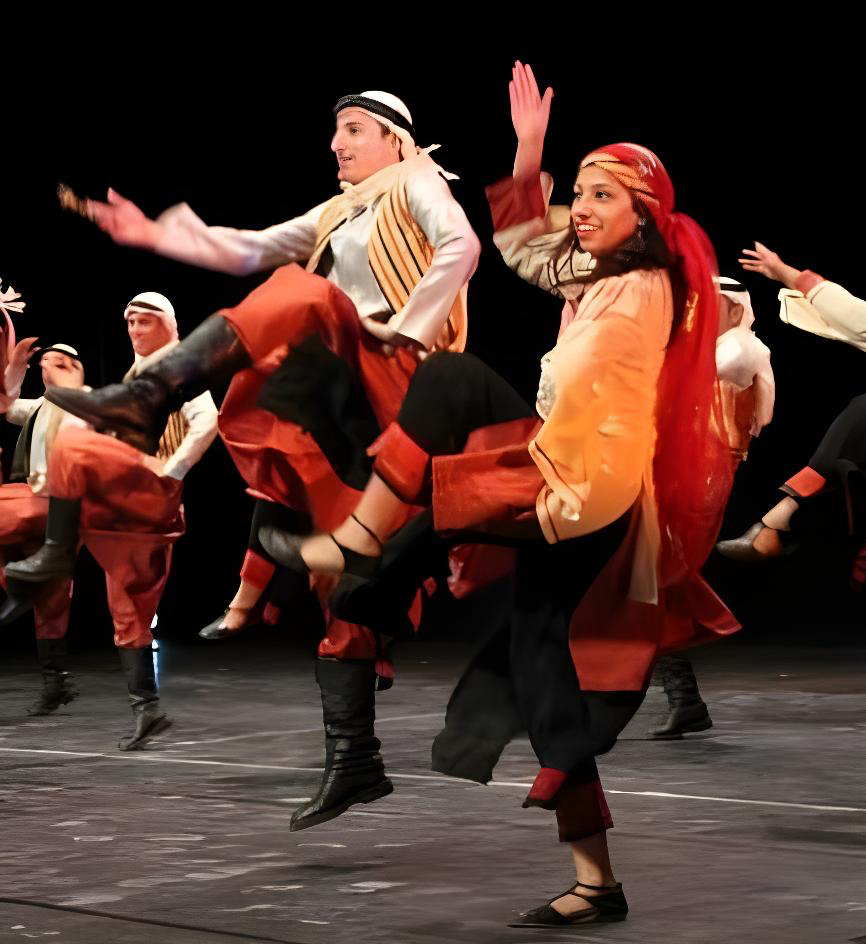
Mohammed Darawsha of Chicago will lead the dabka dancing demo and workshops.
Dr. Da san began his career at the University of Jordan, where he earned his doctorate in Arabic language and literature. He has been teaching Arabic language and literature since 1998, first to native speakers in Jordan and the United Arab Emirates. Since 2016, he has taught Arabic in Milwaukee to non-native speakers at MATC and the School of Continuing Education at the University of Wisconsin-Milwaukee. He has contributed as a co-author to several academic books taught at the university level.
He hopes their audience will gain an appreciation for Arabic and the diversity of cultures where it is used, as well as its historical role “in holding the legacy of the ancient Greek and Persian civilizations and spreading them in Europe,” he said.
He hopes the audience will be “open-minded and also open their hearts” to the possibility of learning Arabic, he said. “Arabic is not as difficult as people think.
“Of course, some sounds are hard to pronounce for some English speakers, but when it comes to the alphabet, how we write a thing is how we say it.”
Dabka Dancing Demo & Workshop
Talented dabka dancer and choreographer Mohammad Darawsha of Folklore Dabka will offer two dabka demonstrations and workshops. Darawsha danced with and choreographed the acclaimed Palestinian Wishah Dance Group before moving to the United States. He is now based in Chicago, where he offers workshops and dance instruction.
Dabka is a traditional Levantine folk line dance characterized by synchronized stomping, hopping, and holding hands or shoulders. Originating from Lebanon, Palestine, Jordan, Syria and Iraq, and performed at weddings, festivals and celebrations, it symbolizes community and resilience.
- Dabka Dancing (Demo & Participation): Tuesday, April 14, 2026, from 11:30 AM – 1:00 PM at Oak Creek – Cafeteria.
- Dabka Dancing (Demo & Participation): Thursday, April 16, 2026, from 11:30 AM – 1:30 PM at Downtown – Student Lounge (S-3).
All are welcome. No experience required. Please register here.
Henna & Chai Events
Henna is a plant-based dye used for over 5,000 years to create temporary tattoos on the skin, hair and nails. In Muslim cultures, it symbolizes “barakah” (blessings), good luck and prosperity, and is traditionally applied during joyous celebrations such as weddings and Eid, an important Muslim holiday.
Chai from Qahwah House will be served at the Oak Creek and Downtown Milwaukee campuses.
- Henna (only henna): Tuesday, April 14, from 11:30 AM 1 1:00 PM at West Allis – 107
- Henna, Chai, and More: Tuesday, April 21, 2026, from 11:30 AM – 1:00 PM at Downtown – Student Lounge
- Henna (only henna): Tuesday, April 21, 2026 from 11:30 AM – 1:00 PM at Mequon – Cafeteria
- Henna, Chai, and More: Thursday, April 23, 2026, from 11:30 AM – 1:00 PM at Oak Creek – Cafeteria
Please register for henna, henna and chai, and dabkah events here.
Shawarma House Food Truck will visit all five MATC campuses throughout the month of April, Arab American Heritage Month, giving MATC faculty, staff and students the opportunity to taste sandwiches that are popular street food in Arab countries. Shawarma sandwiches are usually made with rotisserie chicken, beef or lamb, cut into thin slices and marinated in Shawarma spices.
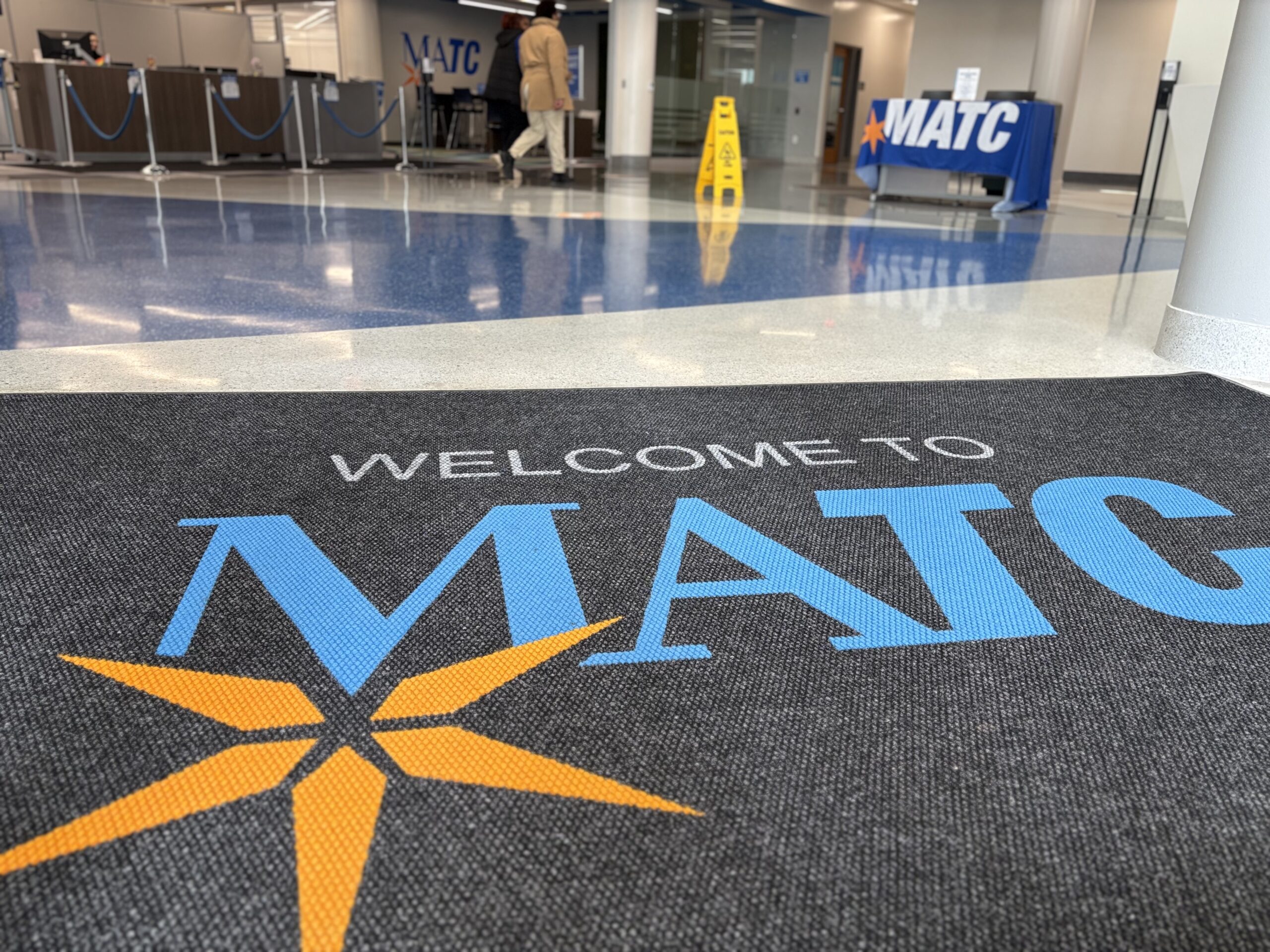
Milwaukee Area Technical College will host Arab American Heritage Month events at all five campuses in Greater Milwaukee.
A supportive community
“Given the diversity of our students, it only makes sense that the events that we host accurately reflect our student body,” Rogers said. “We have a large population of Arab American students at our Oak Creek campus; we should definitely take the time to acknowledge and celebrate Arab American heritage.
“I believe there are a lot of stereotypes and misinformation about Arab American culture,” he added. “This will be a good opportunity to expand knowledge about it throughout our campus community.”
“We are proud MATC is such a diverse institution,” Dean Equon Burrows added. “We’re proud our students chose us as their educational institution. And we don’t take that lightly. We want to make sure everyone feels welcomed and represented here.
“As an institution, we love to focus on how to do what we do better,” he said. “We always want to improve the quality of engagement for our students.”
“I knew this would be a great opportunity and platform to highlight our amazing heritage and our contributions throughout history,” Rizeq exclaimed.
“I’m looking forward to celebrating my heritage with my colleagues and students. Most importantly, I hope that anyone who participates will learn at least a few new things about Arabs in general. From North Africa to the Gulf, from our different dialects and food recipes, clothing and traditions—you will discover beauty in the diversity of this vast culture.”