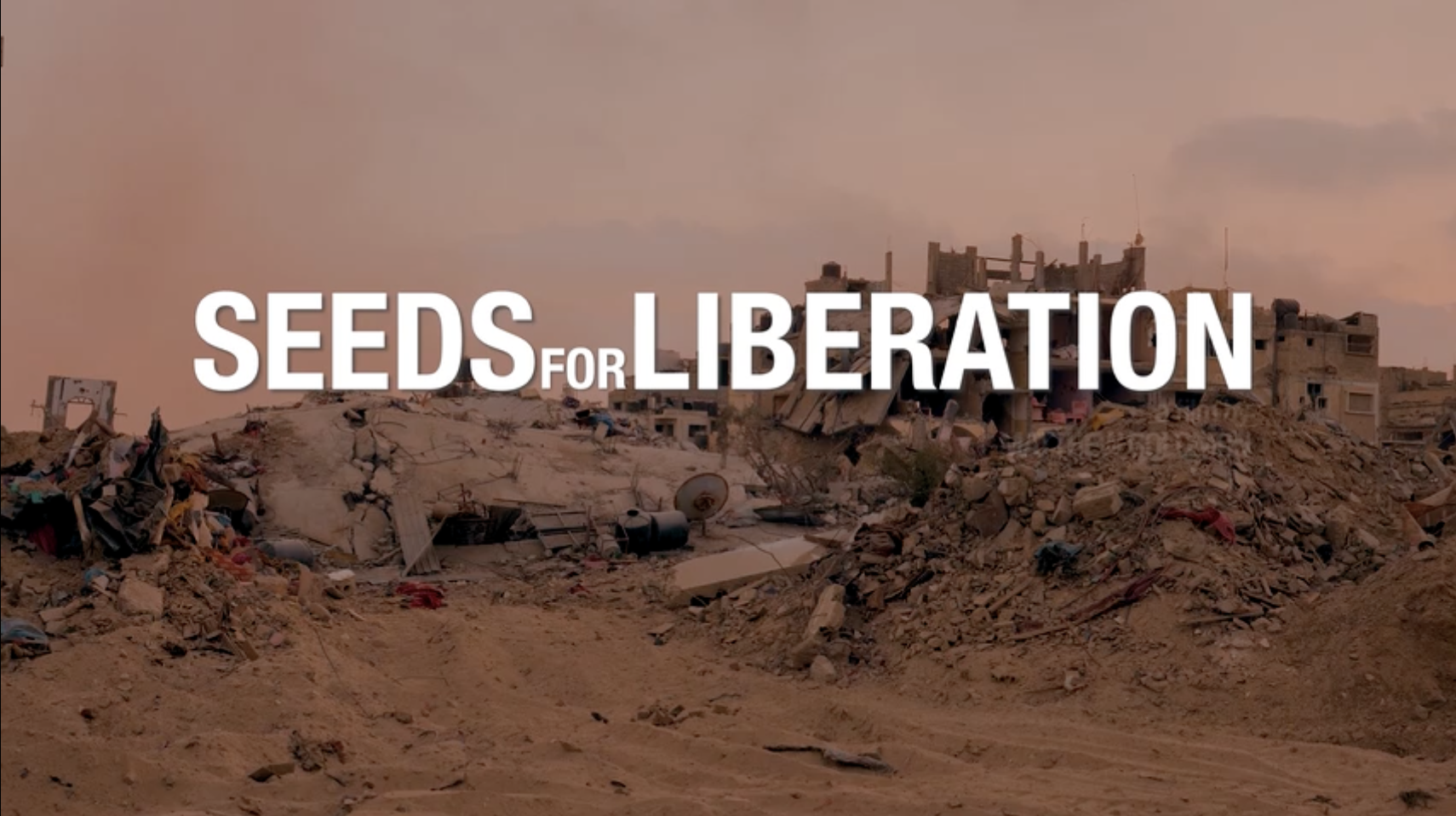
“Seeds for Liberation” explores Palestinian resistance through emotional and impactful interviews with historians, activists, legal scholars and experts and screens on 10/3 at 4 p.m. and includes post–screening talkback. Purchase tickets
The 11th annual Milwaukee Muslim Film Festival features Seeds for Liberation Saturday, a new documentary that connects the Palestinian struggle to Black and Chicano liberation through shared anti-imperialist histories, systemic state violence and decades of international solidarity. It considers what “Free Palestine” means and how it can be achieved.
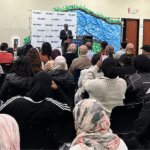
In a live talkback following the screening, an expert panel that includes an activist, a historian and a legal expert/community leader will discuss the impactful topics raised in the documentary, including the 77-year occupation of Palestine by Israeli forces, the role social media plays in mobilizing global support and the path to collective liberation.
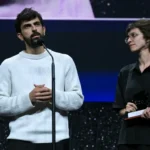
The panel includes Angela Lang, founder and co-executive director of Black Leaders Organizing Communities (BLOC); Rachel Ida Buff, Ph.D., an author, organizer, historian and University of Wisconsin-Milwaukee professor; and Othman Atta, director of the Islamic Society of Milwaukee.
MMFF presents Seeds of Liberation and talkback Saturday at 4 p.m., at the Oriental Theatre, 2230 N. Farwell Ave., Milwaukee. Buy tickets here.
The Milwaukee Muslim Film Festival is America’s longest-running Muslim film festival in the United States. Established in 2015 by the Muslim Women’s Coalition, it serves as a platform to dismantle stereotypes, foster interfaith dialogue and present nuanced, complex narratives of Muslim experiences from around the world. It runs Oct. 1-4 at the historic Oriental Theatre in Milwaukee. See the full schedule of screenings, talkbacks, film synopses and links to purchase here.
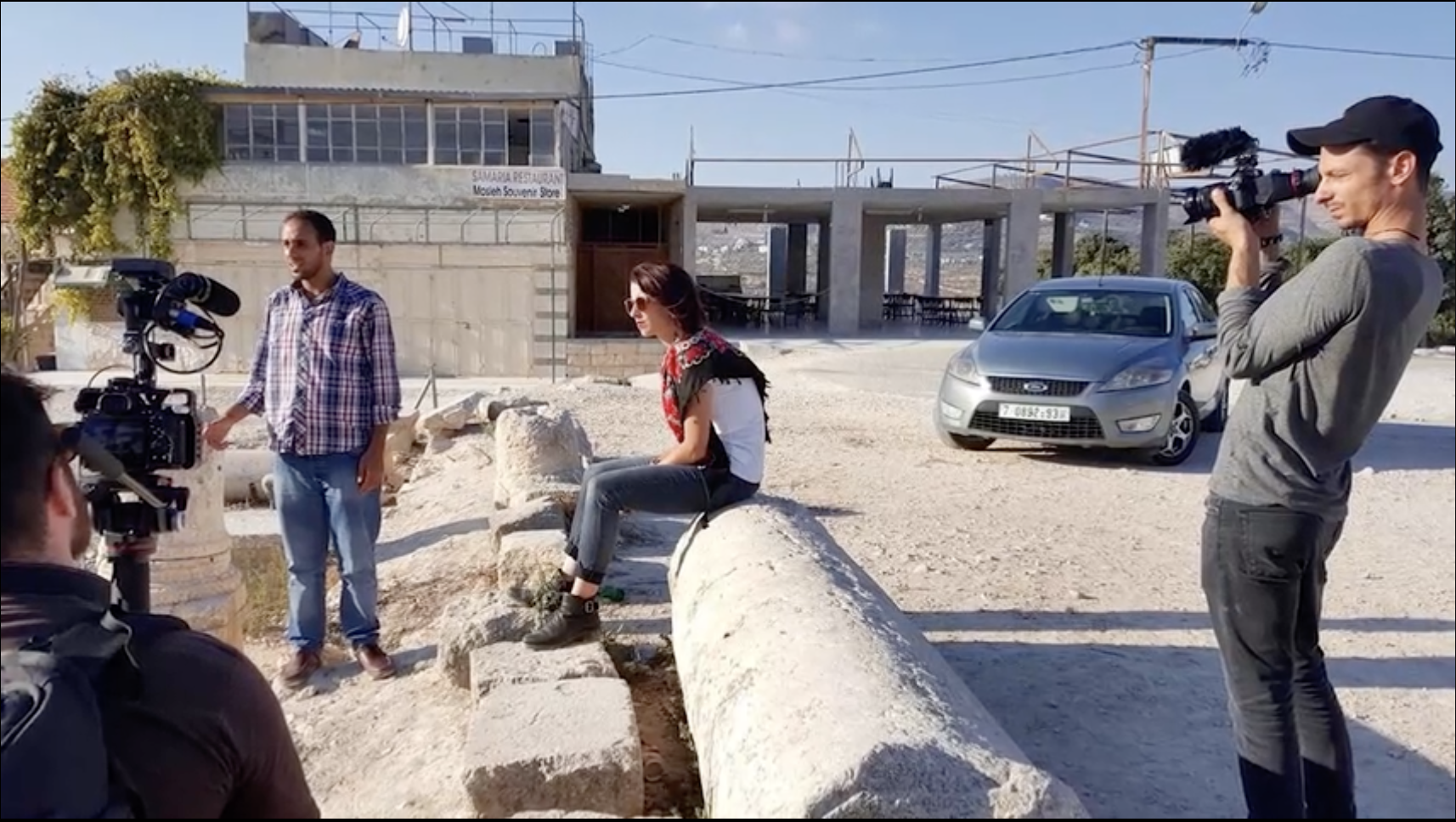
Filmmaker discovers new perspective
Seeds for Liberation director Matthew Solomon, a documentary filmmaker, conflict resolution facilitator and university instructor from Los Angeles, told podcaster Gabe Dunn that, as a Jew, he “was raised with all the Zionist propaganda.” He had learned “the whole world gave us this piece of land that nobody was using, but the Arabs surrounding Israel hated us so much that they all attacked us.”
The shift in his own mindset was gradual, he told Dunn. Learning that other countries, in addition to Arab states, as well as some Jews, opposed the establishment of the state of Israel led him to question the perspectives he was raised with. Upon hearing Israel is a strategic military position for a Western stronghold in the Middle East, “I was like, oh, it isn’t all kumbaya,” he said.
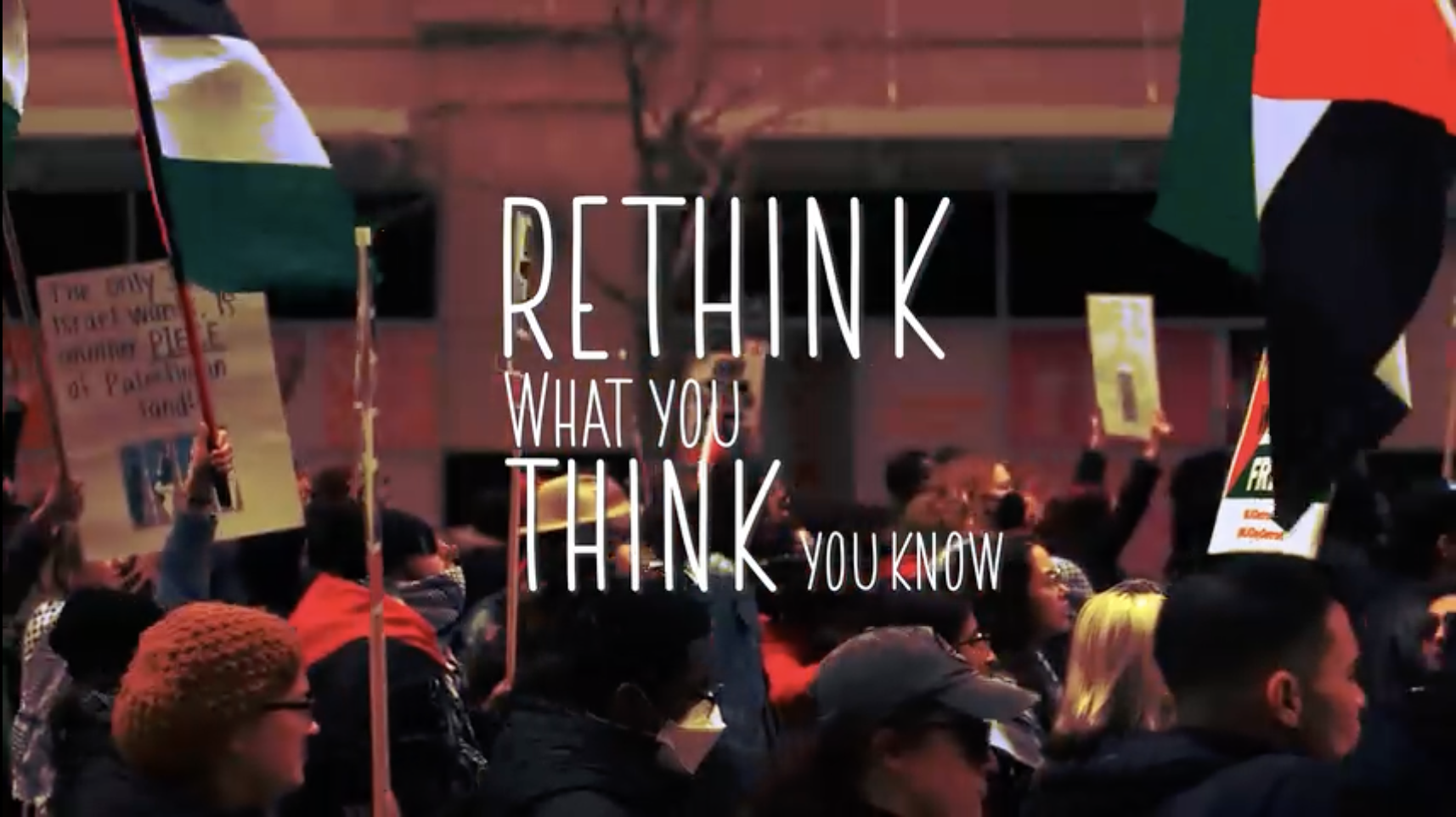
Solomon read Angela Davis’ book Freedom is a Constant Struggle that specifically talks about Palestine. He said he learned to recognize systems of oppression and that “terrorist” is a political term people in power put on freedom fighters.
He learned about the Nakba, the displacement of 750,000 Palestinians during the creation of Israel. It reminded him of what his grandparents went through in the holocaust.
Then Oct. 7 happened. Solomon’s classmate and “dear friend” from Gaza lost 30 relatives within the next two weeks. That’s when Solomon went into what he called a warp-speed process of de-radicalization—questioning everything he grew up with. In the process, he became a vocal activist for Palestinian liberation.
Seeds for Liberation examines the themes Solomon explored: the intersectionality of liberation struggles and finding community with people who share a commitment to human rights and liberation.
Expert panel brings local perspective
Wisconsin Muslim Journal interviewed two of the panelists, Lang and Buff, to ask about the connections they see between liberation movements.
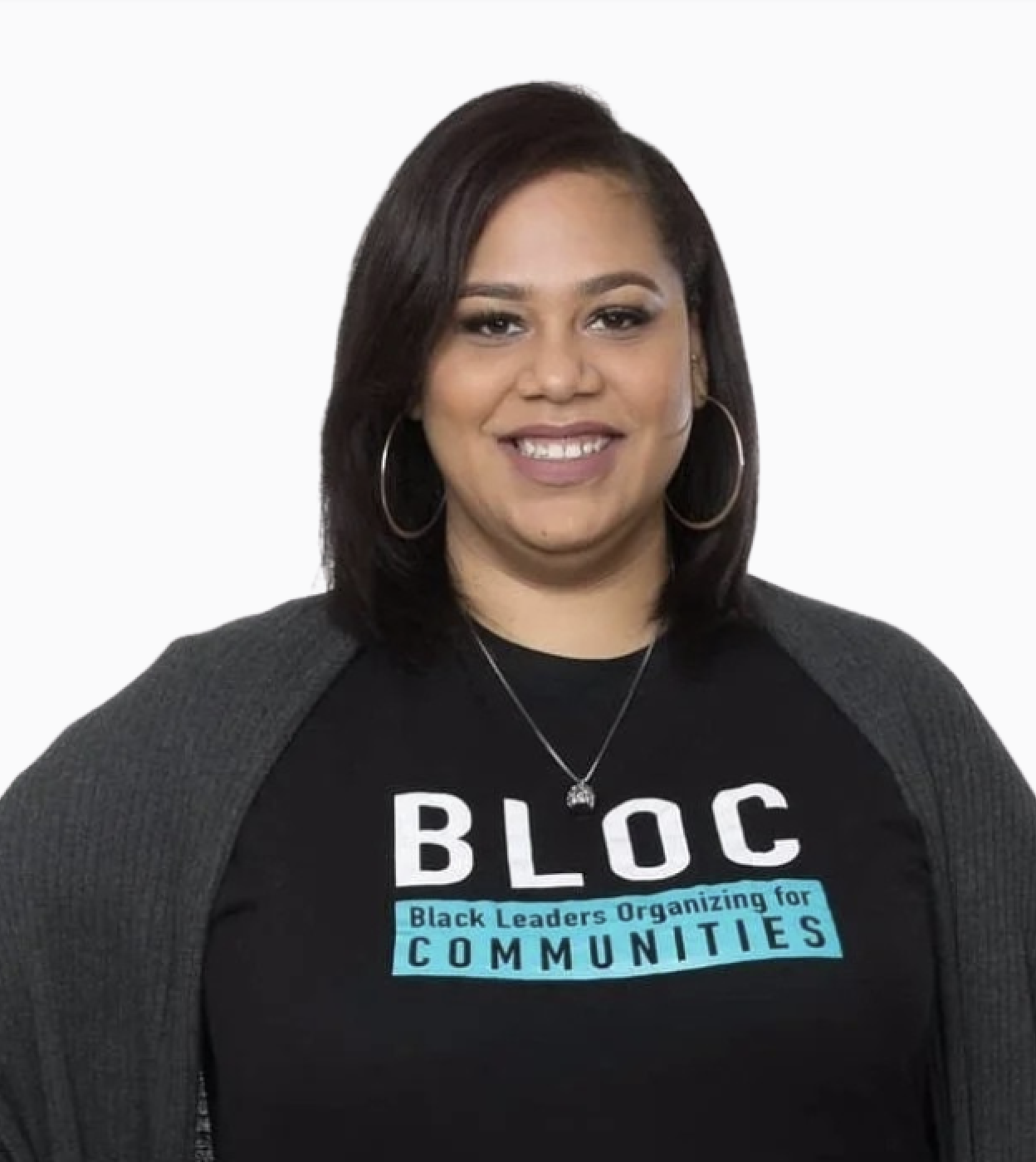
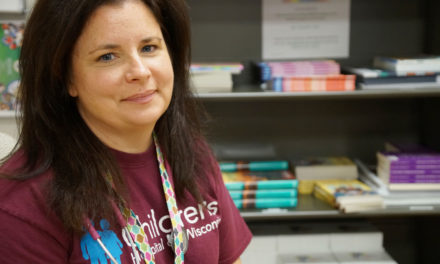
Angela Lang, founder and co-executive director of Black Leaders Organizing Communities (BLOC)
“I didn’t know about Palestine for a long time,” Lang said. “I think a lot of folks didn’t. But in 2014, when Mike Brown was murdered in Ferguson (Missouri) and there were protests, I saw on Twitter Palestinian folks giving tips on how to deal with gas canisters and tear gas. I realized it was because they had already experienced them in Palestine.
“If you study folks like Angela Davis and Malcom X, you see they talked about this international struggle of our communities, this commonality of just wanting the right to self-determination and freedom from state-sanctioned violence.
“Here in Milwaukee, we’ve seen our own police chief on a trip to Israel (for training),” Lang said. “Why would our police chief travel to a country that is actively committing genocide and war crimes unless you want to learn some terrible things, and try to bring that back and afflict it on largely Black Americans?”
Solidarity is important “because oppressed people are not free until everyone is free,” she said. “A lot of us recognize our paths to liberation are tied to one another. That’s the reason people come together, not just because there are intersections, but also understanding that if it can happen to one group of people, it can happen to anyone.
“I’m a firm believer, especially as a lifetime Milwaukeean, that you have to come together with other marginalized folks,” Lang added. “We live in an incredibly segregated city. The only way to true liberation for us all is to make sure we stand in solidarity. Solidarity is the only way to collective liberation.”
Historian Rachel Buff noted, “This is the history the ruling elite and the industrial military complex don’t want us to know—the really important history of transnational solidarity and transnational consciousness.”
Buff was teaching a course at UWM last year on the United States as a global power. Students were very interested in the Iranian Revolution of 1979, so Buff “did a deep dive.”
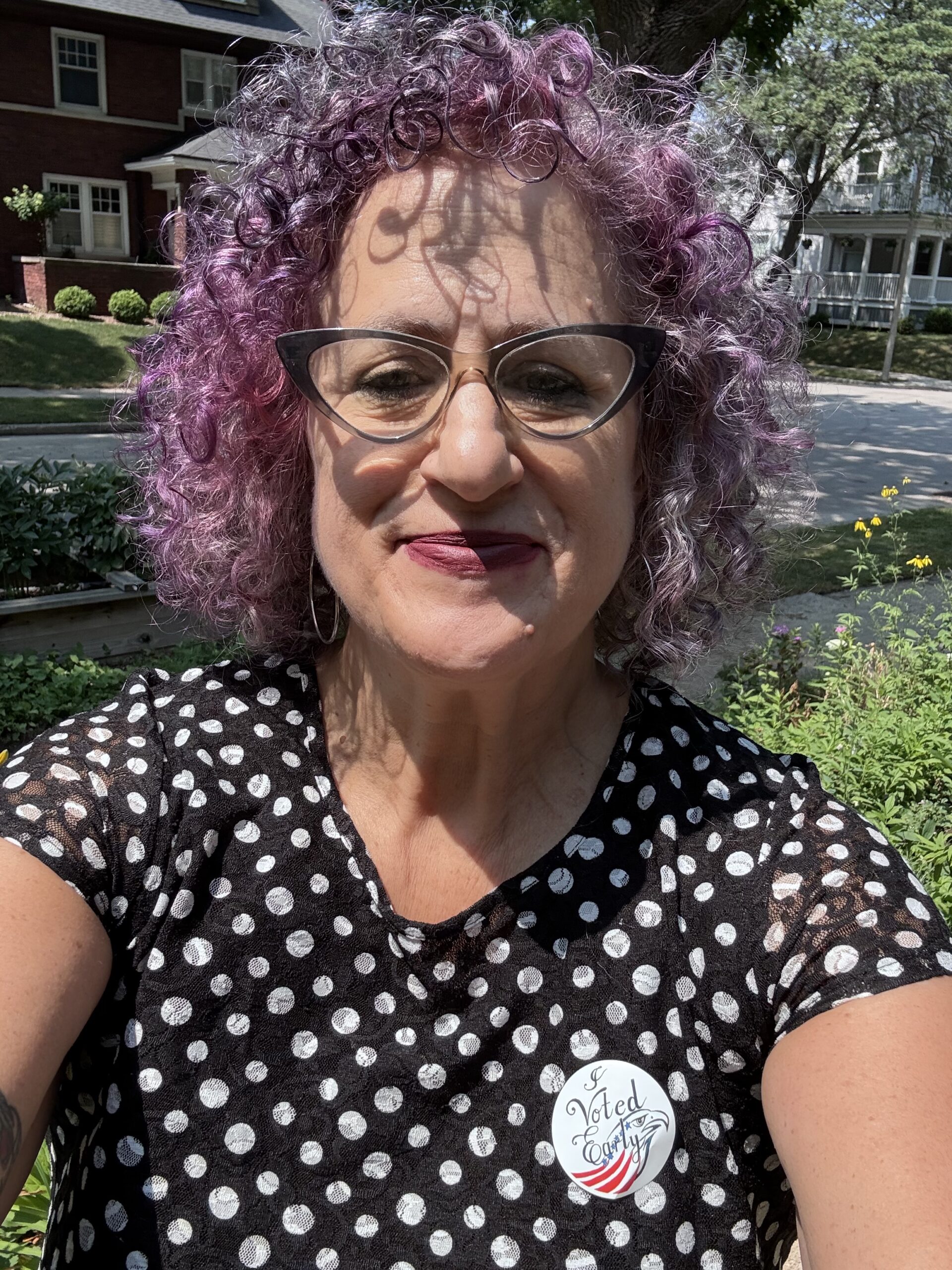
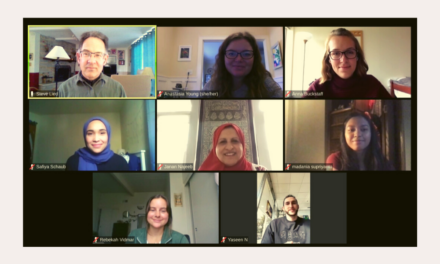
Rachel Ida Buff Rachel Ida Buff, Ph.D., author, organizer, historian and University of Wisconsin-Milwaukee professor
“I was fascinated to learn about camps sponsored by the PLO (Palestinian Liberation Organization), the Sandinistas and the Cuban government for various groups fighting for freedom. A lot of Iranian students (we’re not talking yet about the religious fundamentalists) went to these camps to learn from folks who were facing similar issues, like being starved and blockaded by the United States. What does it mean that there is international education and political collaboration opposing Zionism and capitalism?
“It gives context for thinking about Marco Rubio and his war on people like Salah Sarsour and Mahmoud Khalil,” she continued. “What was upheld in Salah’s deportation case is that he is getting in the way of U.S. foreign policy, which is absurd on the face of it. But Rubio represents several generations of Miami Cubans trying to overturn the Cuban Revolution.
“Rubio intuits that Salah Sarsour and others (calling for a free Palestine) are just like those who wanted to keep Cuba free. I’ve read Marco Rubio’s speeches about how the left will ruin everything. He’s still talking about the Red Brigade in Italy in the 1970s. He’s still fighting those wars. We are still fighting those wars, whether we know it or not.
“There are reasons that African American leftist organizations and people like Angela Davis were early adopters of the Palestinian struggle,” Buff said. “There are histories and pedagogies of anti-imperialism and anti-Zionism we never learn about, and it’s really important to know about them.
“I had a student who did great research on the Free Angela Davis Movement here in Milwaukee, in which most of the organizers were people of color,” Buff said. “The thinking in those days was called “a Third-Worldist frame,” that liberation is best pursued outside the confines of petitioning for our civil rights.
“In the 1960s, Dr. King says, ‘I have a promissory note I want to cash. The nation owes us something.’ By the 1970s, people realized, ‘We’re not going to cash that check … The reforms are so slow, and so easily and completely rolled back. ‘We are an internal colony,’ that was the narrative of the 1970s.
“If you think about the way the Panthers looked at the central city as an internal colony, it totally makes sense that they look at the West Bank and Gaza, and they’re like, “We totally get this.”
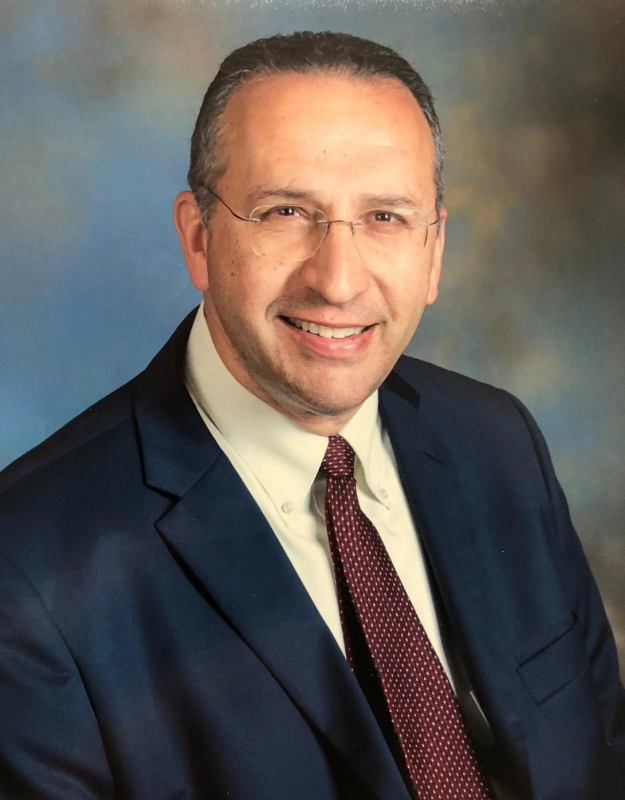
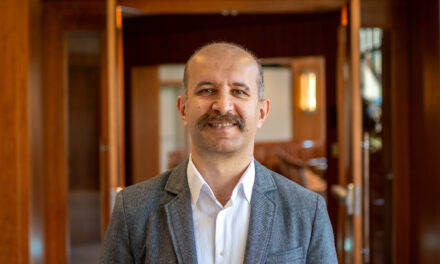
Othman Atta, director of the Islamic Society of Milwaukee
Because our stories matter
Wisconsin Muslim Journal reports on people, stories and experiences of Muslims across our state. As a nonprofit publication, we are committed to making this work available to everyone without a subscription or paywall.
Every story we publish is produced by professional journalists, photographers and editors committed to reporting on Wisconsin’s Muslim communities. Keeping this work going requires time, talent and resources.
If you value dedicated, fact-based coverage that documents Wisconsin Muslim history, please consider supporting us with a donation. Gifts of any size make a difference and help us continue to report on narratives that might otherwise go untold.
We are grateful for your readership.