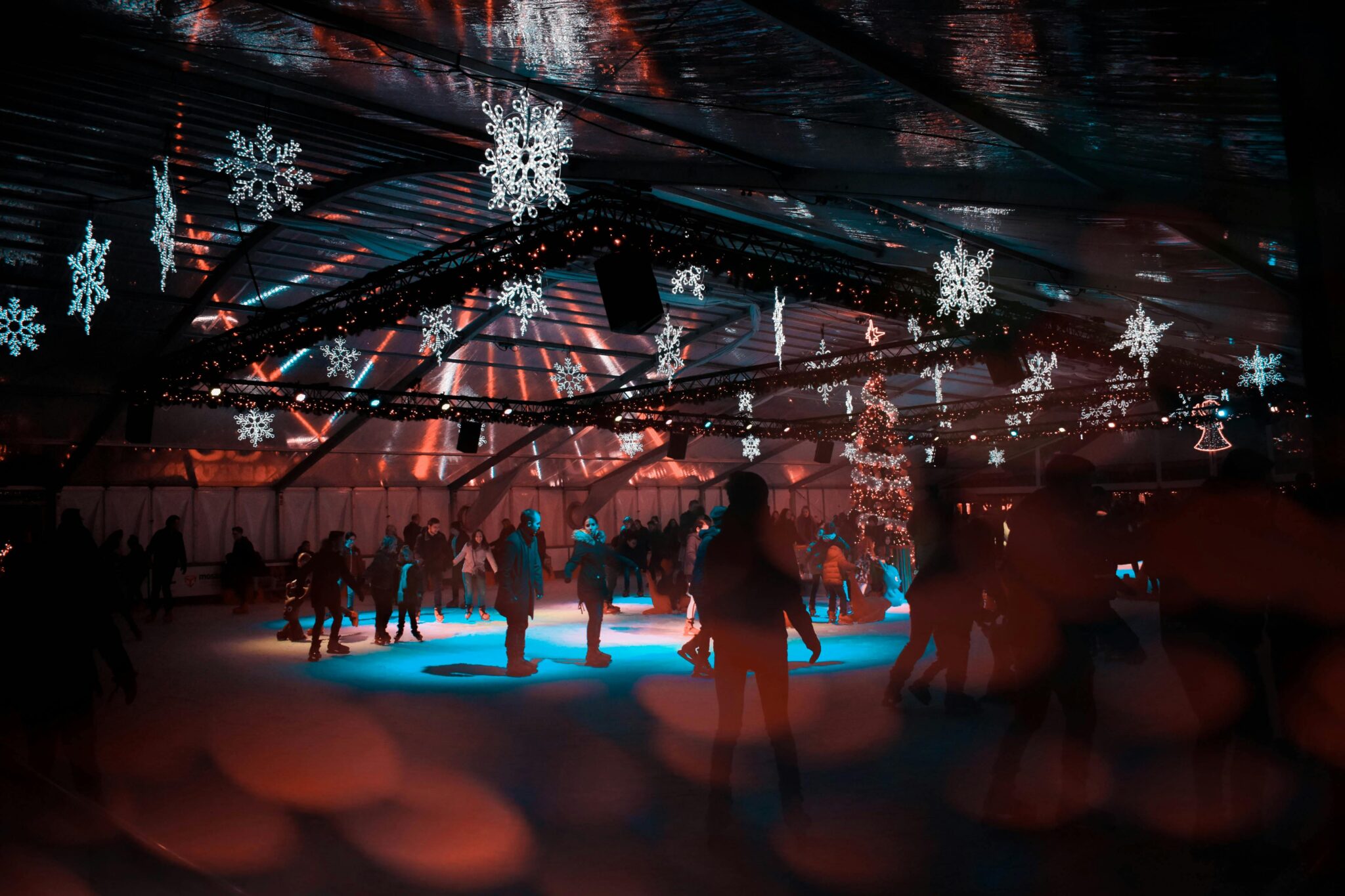
When the winter season arrives, the air fills with glittering lights, jingling music, and the scent of pine and cinnamon. For many Christian families, the holiday season is a time of celebration and connection. For Jewish families, it’s a time of joy and reflection. But for Muslim families — especially children — the season can stir a sense of being on the outside looking in. Classrooms erupt in Christmas crafts, neighborhoods glow with light-up reindeer, and conversations revolve around gifts and Santa. Even well-meaning teachers and friends can unintentionally make Muslim kids feel excluded.
Winter can be a challenge for Muslim parents striving to nurture both faith and a sense of belonging: how can we make this season joyful and meaningful for our kids without compromising Islamic values? We can explain Islamic traditions (like how God gave Muslims two Eids) and fill their hearts with love for the religion, but even the most consistent efforts can leave kids with a sense of emptiness during the holiday season.
To fill that void, Muslim families can shape winter into a season of creativity, reflection, and community. By embracing the beauty of winter itself rather than the commercialized holiday rush, Muslim parents can build traditions rooted in gratitude, service, and family. And in doing so, they can even find shared values with other faith traditions that also emphasize light in the darkness, compassion for others, and the importance of family.
Understanding the Holiday Gap
For Muslim children growing up in predominantly Christian societies, it’s normal to feel curious during the holiday season. The lights are dazzling, the songs are catchy, and gift exchanges are everywhere. Yet, as one anonymous Muslim mother in Chicago said, “It’s not about wanting Christmas – it’s about wanting belonging.”
But within these overt celebrations, there is also a subtle but rich opportunity: Muslims, Christians, and Jews all share a desire to preserve faith and identity while living in diverse societies. All three Abrahamic faiths celebrate themes of light, family, and compassion — whether through Christmas, Hanukkah, or winter reflection in Islam. Muslims can take comfort in knowing that their children’s yearning for connection is not unusual — it’s human. The key is to redirect the longing toward meaningful celebration rooted in Islamic values of community, reflection, and kindness.
Making Winter Meaningful for Muslim Families
Instead of focusing on what Muslim children don’t have or can’t celebrate, parents can reframe the season around what they do value. The winter months, with their stillness and introspection, can be ideal for nurturing faith, gratitude, and creativity.
Embrace Natural Beauty. Families can take winter walks, observe frost, and marvel at snowflakes as expressions of divine artistry.
Create New Muslim Family Traditions. Just as other families decorate trees and light menorahs, Muslim families can establish their own rituals such as weekly hot cocoa and Qur’an nights, or family service days delivering meals to those in need.
Focus on Giving. While many cultures emphasize generosity during the holiday season, Islam encourages giving throughout the year. Teach children that charity warms hearts even more than hot cocoa warms hands.
Build Interfaith Understanding. Rather than avoiding other faith-based traditions, Muslim families can find commonality in the Abrahamic faiths and teach children how Islam observes the same tenets as other faiths. Strengthen ties with non-Muslim neighbors by attending interfaith events, sharing food, or exchanging greetings to foster mutual understanding. Teaching respect and confidence reinforces that Islam values coexistence and kindness.
Winter Activities by Age
Here are some age-appropriate ideas for making the winter season meaningful for Muslim children. Each activity fosters belonging, creativity, and purpose without imitating other religious holidays.
Elementary Age (5-10 years)
- Snow Painting — paint the snow with spray bottles full of food-colored water.
- Winter Nature Scavenger Hunt — Find pinecones, icicles, and animal tracks.
- Snowflake Lanterns — Decorate paper lanterns with snowflake cutouts.
- Hot Cocoa Night — Halal marshmallows and Quran recitation time.
- Storytime with Islamic Tales — Read stories from the Seerah or Muslim folktales while bundling up next to the fireplace.
- Bake & Share Treats — Date cookies or cinnamon bread make great gifts for neighbors.
- Build a Snow Fort — Encourage family teamwork.
- Kindness Calendar — Feed birds, help parents, or write thank-you notes.
- Masjid Pajama Party — For a Quran circle and hold a story night.
- Winter Moon Journal — Draw the phases of the moon nightly.
Middle School Age (11-13 years)
- Ice Skating — Find family-friendly or women-only hours.
- Winter Photography Challenge — Capture frost or light patterns.
- Calligraphy Night — Paint Quranic quotes with winter scenes.
- Volunteer at a Coat Drive — Help sort and distribute local donations.
- DIY Snow Globe — Use small mosques or lanterns inside.
- Winter Bake-Off — Hold a friendly competition with siblings or friends.
- Journal & Reflect — Write about God’s signs in nature.
- Masjid Game Night — Quiz each other on Islamic trivia or board games.
- Winter Sports Day — Sledding or snowshoeing.
- Learn a New Skill — This might be knitting or crocheting hats or scarves for charity.
High School Age (14-18 years)
- Organize a Winter Fundraiser — Support refugees or families in need.
- Youth-Led Soup Kitchen — Plan, cook, and serve food to those who need it most.
- Winter Hiking or Stargazing — Reflect on God’s creation.
- Host a Spoken Word Night — Create poetry focused on faith and gratitude.
- Teach a Winter Skill — Mentor younger kids.
- Cultural Winter Potluck — Share Muslim cuisine with friends and neighbors.
- Film & Faith Night — Choose films that focus on moral lessons.
- Hijri Reflection Night — Plan spiritual goals for the year.
- Youth Sleepover at the mosque — Halaqas, games, and hot cocoa.
- Winter Service Project — Shovel snow for the elderly and sick.
Faith, Warmth, and Connection
Creating a sense of joy during the winter months doesn’t mean mimicking Christmas or Hanukkah. It means embracing the same values demonstrated in those traditions – love, gratitude, and generosity – but through a distinctly Muslim lens. When parents help children see that joy and faith aren’t confined to one tradition, they give them something priceless: a confident Muslim identity that connects warmly to others.
In the stillness of winter, families can rediscover the heart of their faith: that even when the world feels cold, the warmth of belief, community, and kindness never fades. And when Muslim children learn to see beauty in winter’s light, compassion in service, and joy in togetherness, they’ll never truly feel left out again.
Shabnam Mahmood is a freelance writer and educational consultant in Chicago.
Want more like this? Subscribe to the Islamic Horizons magazine and support authentic journalism by Muslims for Muslims.








![15 Things You Didn’t Know About Makkah and the Ka’bah [Part 1]](https://wisconsinmuslimjournal.org/wp-content/uploads/2026/03/AdobeStock_87517185-scaled-e1774211732813-150x150.jpeg)