Photos courtesy of Huda Y Asad and Sahar Mahmoud
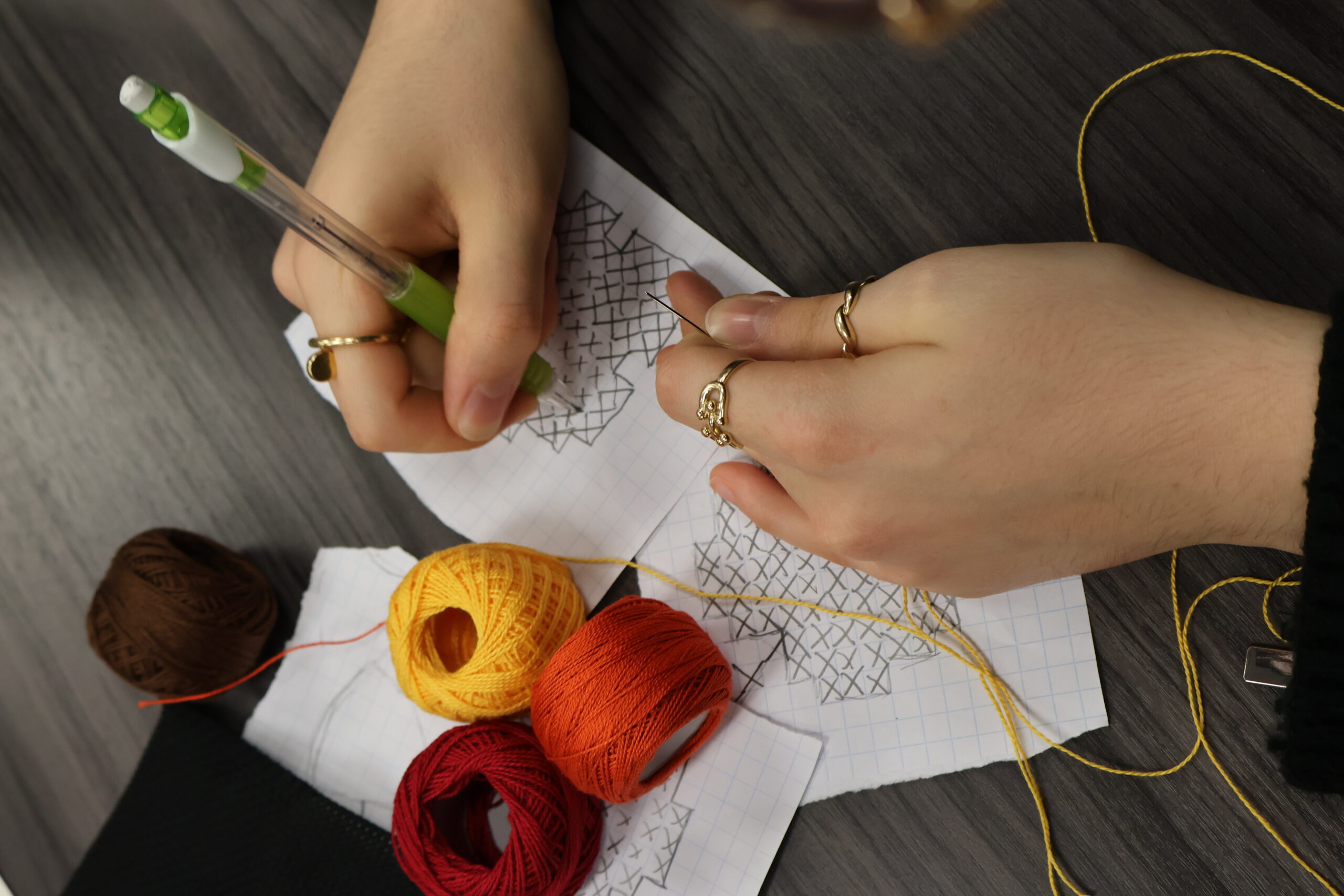
Hands thread a needle over a tatreez template during a Sisters Sip & Stitch workshop led by Sahar’s Studio at the Islamic Resource Center, where participants carry forward a centuries-old Palestinian embroidery tradition
A little over a year ago, Huda Y Asad and her cousin presented a tatreez workshop, sponsored by the Muslim Women’s Coalition (MWC) and held at the Islamic Resource Center in Greenfield, to benefit the Palestine Children’s Relief Fund (PCRF) and to build a sense of community. The two had each taken up the art as calming therapy to deal with the stress and uncertainty of the Gaza war.
Despite a ceasefire—which news outlets are saying have stalled—the killing continues and conditions in Palestine remain dire with millions displaced and facing shortages of food, water and medical supplies.
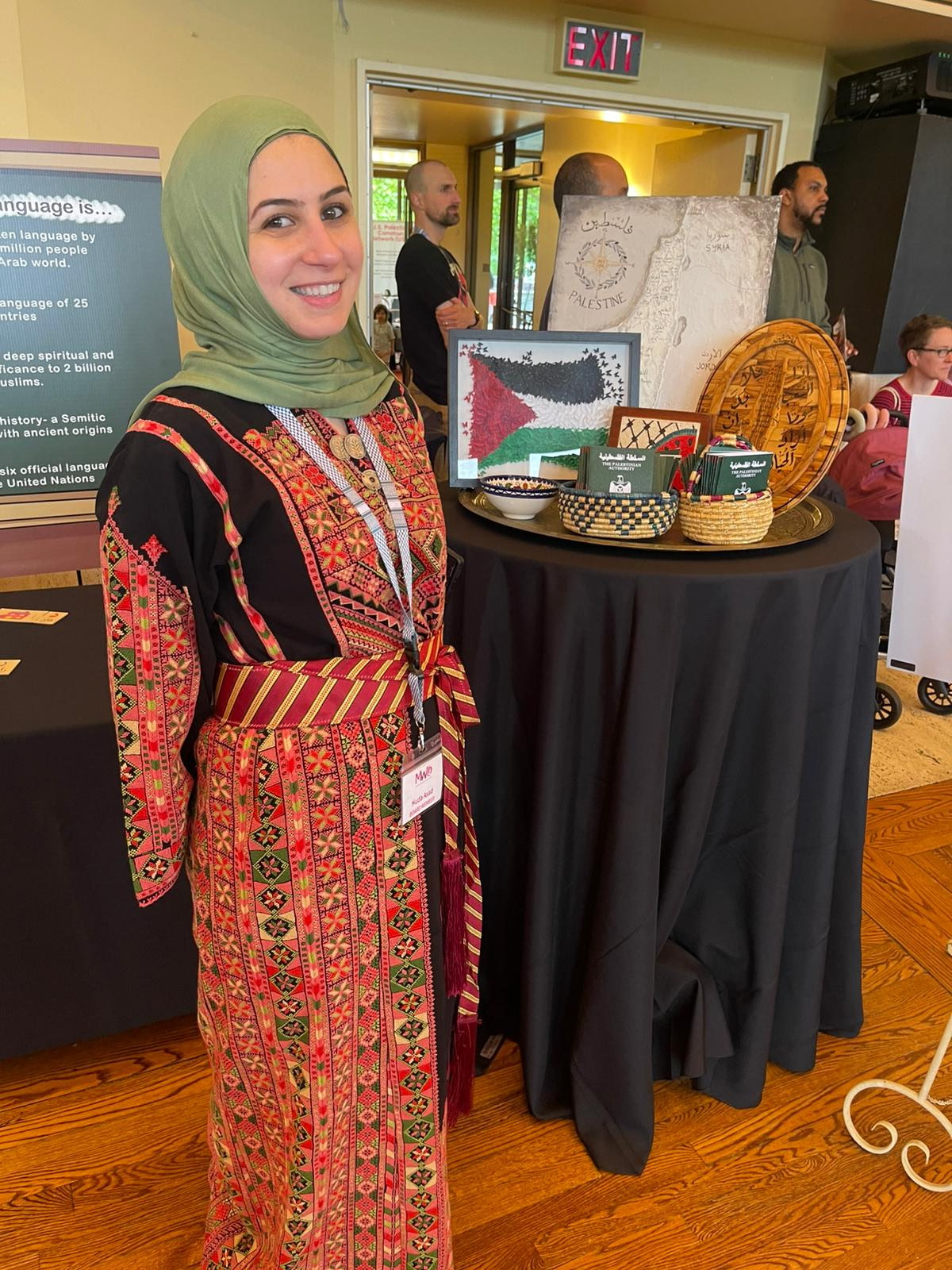
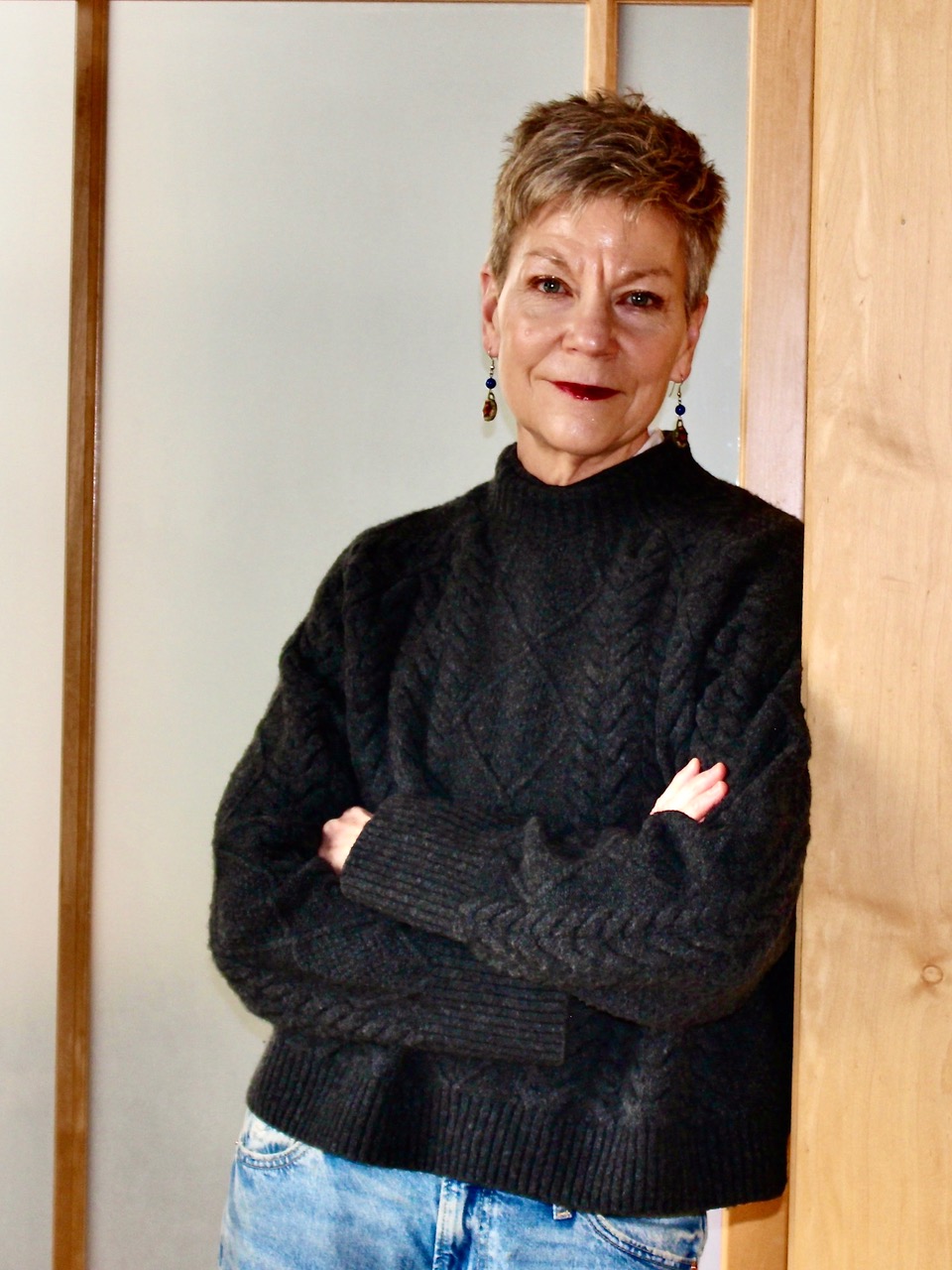
Huda Y Asad, MWC board member
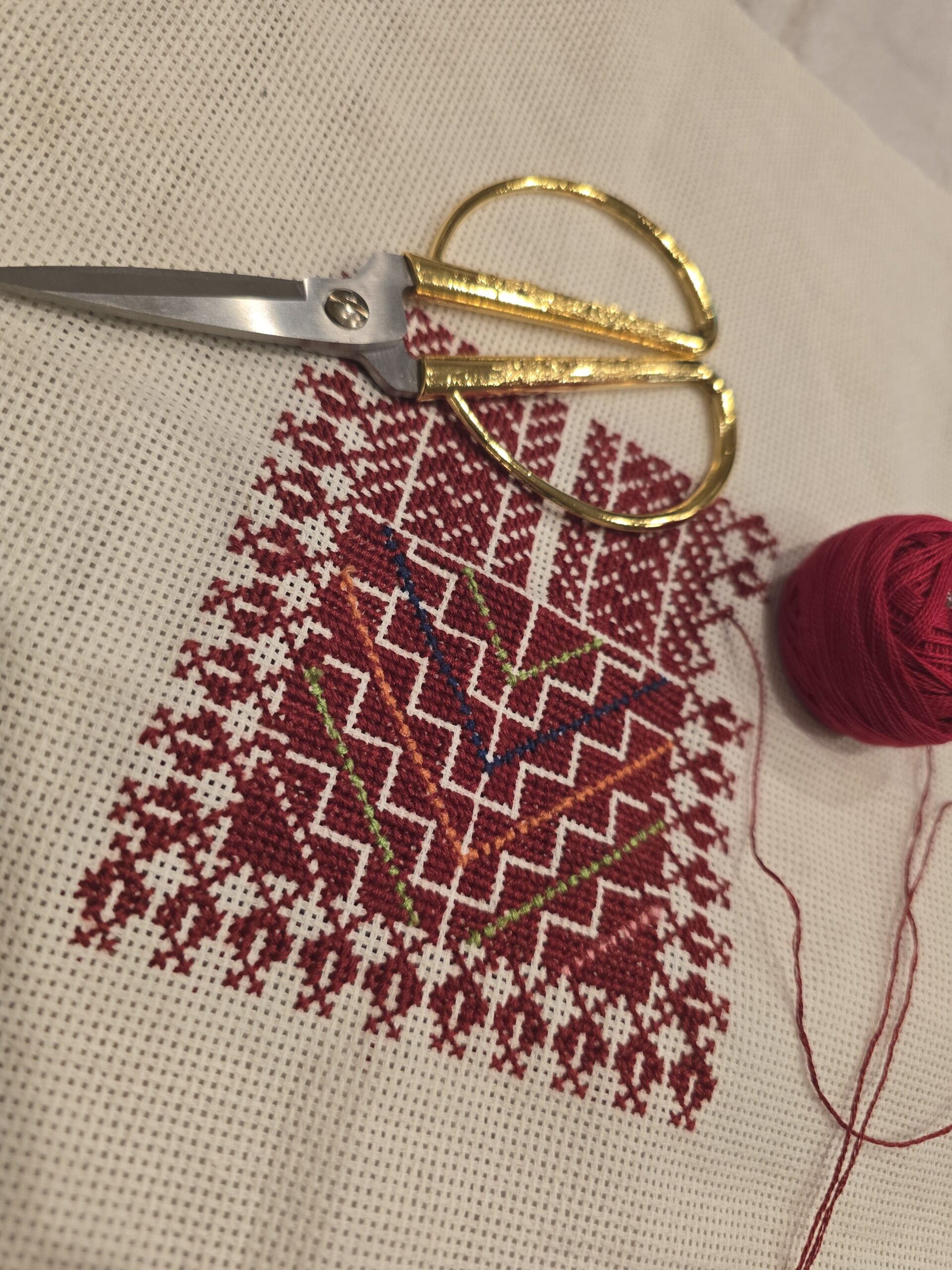
One of Asad’s many tatreez projects
The tatreez workshops have also continued. Each Friday, sisters gather for “Sip & Stitch” to embroider, learn, teach, share and enjoy the camaraderie. And, like Asad, to focus on something other than what’s happening on the other side of the world.
The MWC Sahar’s Studio Tatreez workshops, led by coordinator/teacher Sahar Mahmoud, bring together sisters ages 18 and older to work on a project led by Mahmoud or to join the group while working on their own projects. Mahmoud said the goal is not to only teach and practice this ancient, vibrant art of Palestinian embroidery here in the United States but to maintain a strong sense of community.
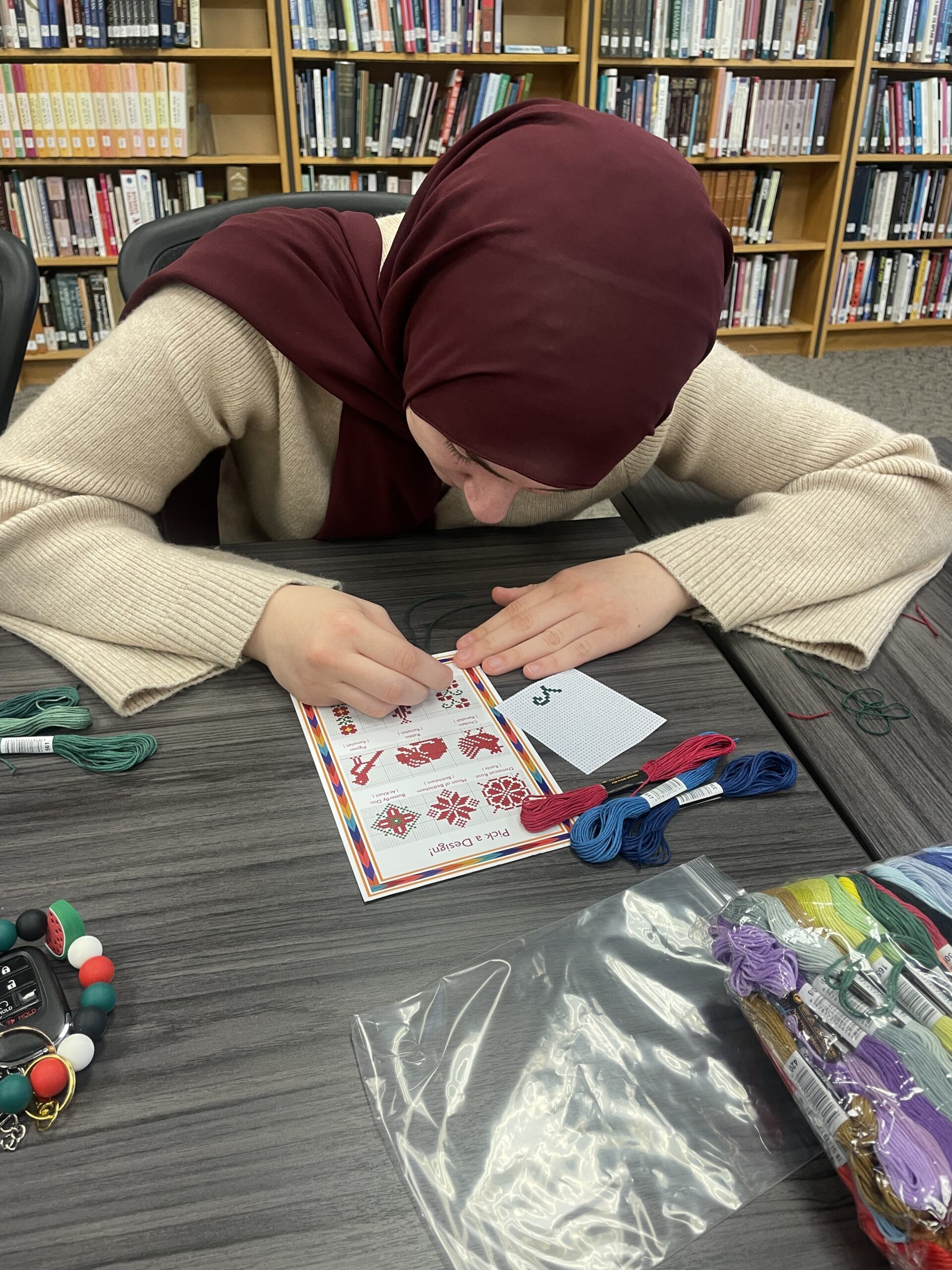
A participant refers to a pattern template while working on a tatreez embroidery project during a Sip & Stitch workshop
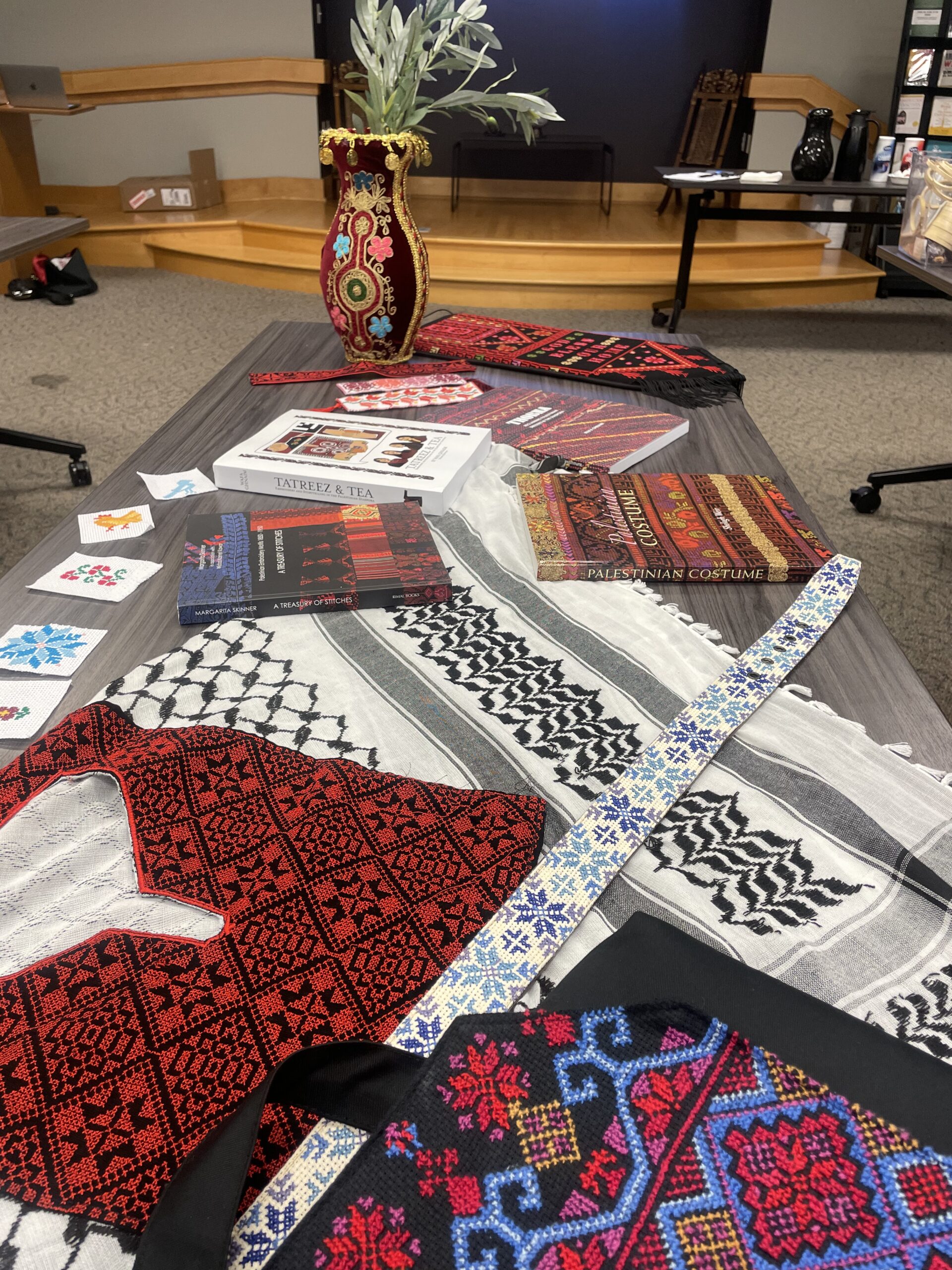
Tatreez embroidery projects and reference books are displayed on a table for inspiration
Working on tatreez projects has been calming and deeply meaningful for Asad.
“I had always loved tatreez—not from a perspective of doing it but more from like, oh, I want a new dress and possibly some new decorations with tatreez on them. But honestly, I really got into it after October 7,” said Asad. “I just began to spiral from a mental perspective from what was going on overseas versus what people were saying here, and just the difference in the news and the media and everything. And doing tatreez helped. It was a way for me to shut off my brain and relax.”
Doing tatreez helped ease Asad’s anxiety but it also served as a meaningful connection to her heritage.
“When I put on the workshop in November of 2024, I think I was one of the first workshops in the Milwaukee area. It was more so because I was seeking out workshops, and there wasn’t anything there. And I was like, you know, I’ve been doing this for a few months now, and people see me posting my tatreez. And I thought maybe I can spread a little bit of my knowledge and help, because that’s part of our culture and a part of our heritage, too. We need to spread it and expand it,” Asad said.
She heard there was a PCRF chapter in Milwaukee and decided that proceeds from a workshop could be donated to the chapter. Along with getting together with other women to learn and share the art of their ancestors she could help children and families in Palestine.
“Honestly, it was amazing. It was such a good event, and I think my excitement kind of spread, plus it raised awareness of PCRF in Milwaukee,” Asad said.
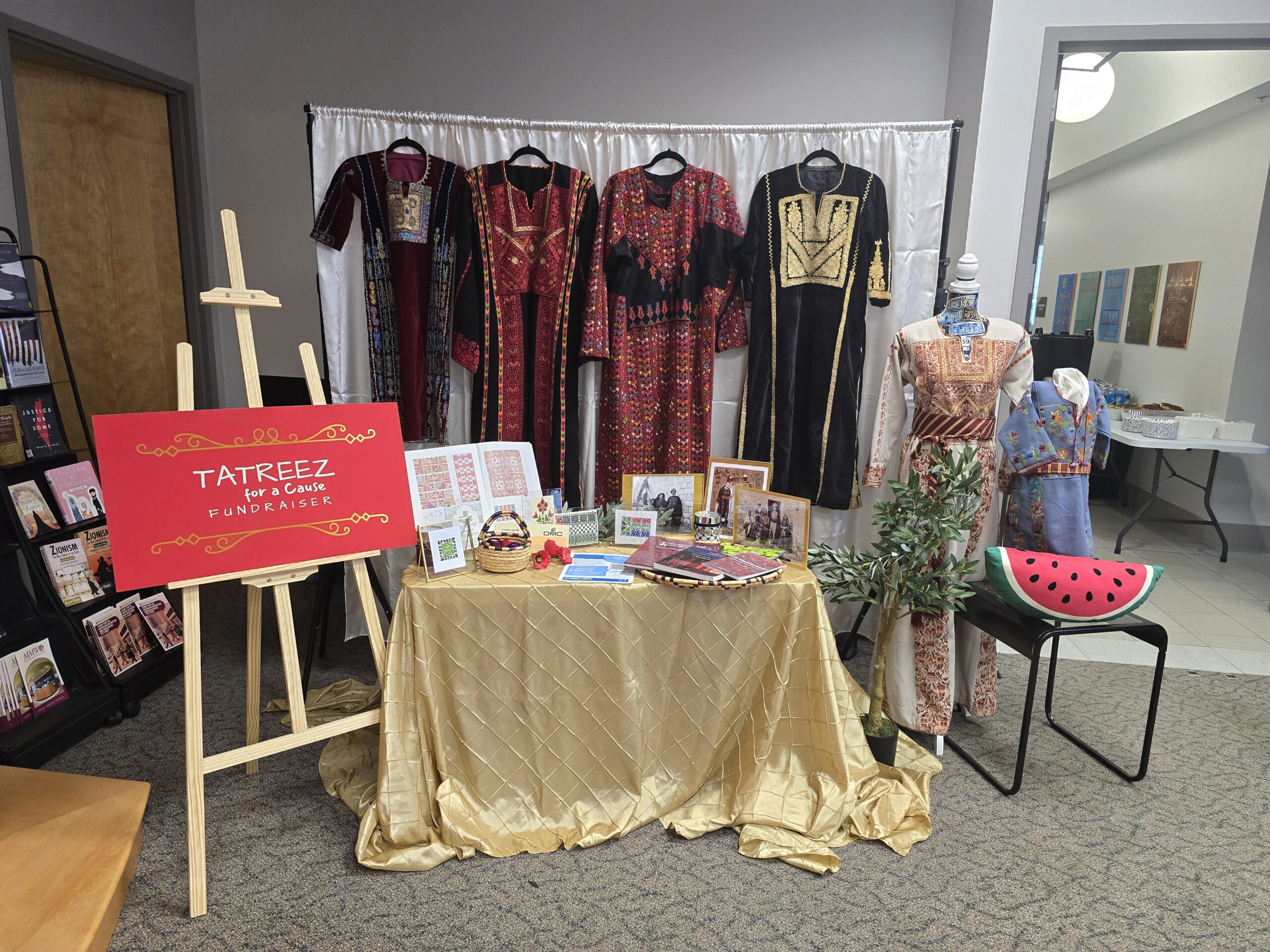
Embroidered clothing and Palestinian cultural memorabilia decorate the entrance to Asad’s tatreez workshop held in November 2024

Women fill the room while attending Asad’s tatreez workshop at the Islamic Resource Center, one of the first workshops of its kind in Milwaukee.
Learning Tatreez One Stitch At a Time
When Asad first became interested in tatreez, she watched YouTube videos to learn the stitches and worked diligently to figure out the craft on her own.
“My first piece was a complete disaster because I used the wrong fabric. So, I learned slowly,” said Asad, a mother of three young boys and a full-time corporate tax accountant for Rockwell Automation company in Milwaukee.
She also FaceTimed with her grandmother, who was aghast at how messy the back of Asad’s work was.
“She was like, ‘Huda, the back has to look exactly like the front. It has to be just as pretty.’ On my next piece, my cousin Hiba, who did that first tatreez event with me, helped guide me on how to make the back pretty and she taught me a few techniques,” Asad said.
Asad doesn’t have a ton of free time to pursue her favorite new pastime, but she continues to learn and practice the art.
“It’s one of the things I’ve been doing over break since we are home and not traveling anywhere this year. I’ve picked up a few different projects that I’ve been working on. One of them is a set of eight frames for a kind of gallery wall. I finished about three of these mini chest panels and I’m working on my fourth now. It’s just so relaxing and so grounding,” Asad said.
Asad said she is happy to see that the tatreez workshops have continued although she hasn’t been able to attend any of the sessions yet.
“I definitely see more people coming together. I’ve gotten together with a group of people with different levels of talent for tatreez and you gain more knowledge by learning different things from different people—whether they’ve been doing tatreez for years or they just started. It’s just nice to see that coming together, forming new friends and making new bonds. It’s exciting to see people picking it up and loving it as much as I’m loving it,” Asad said.
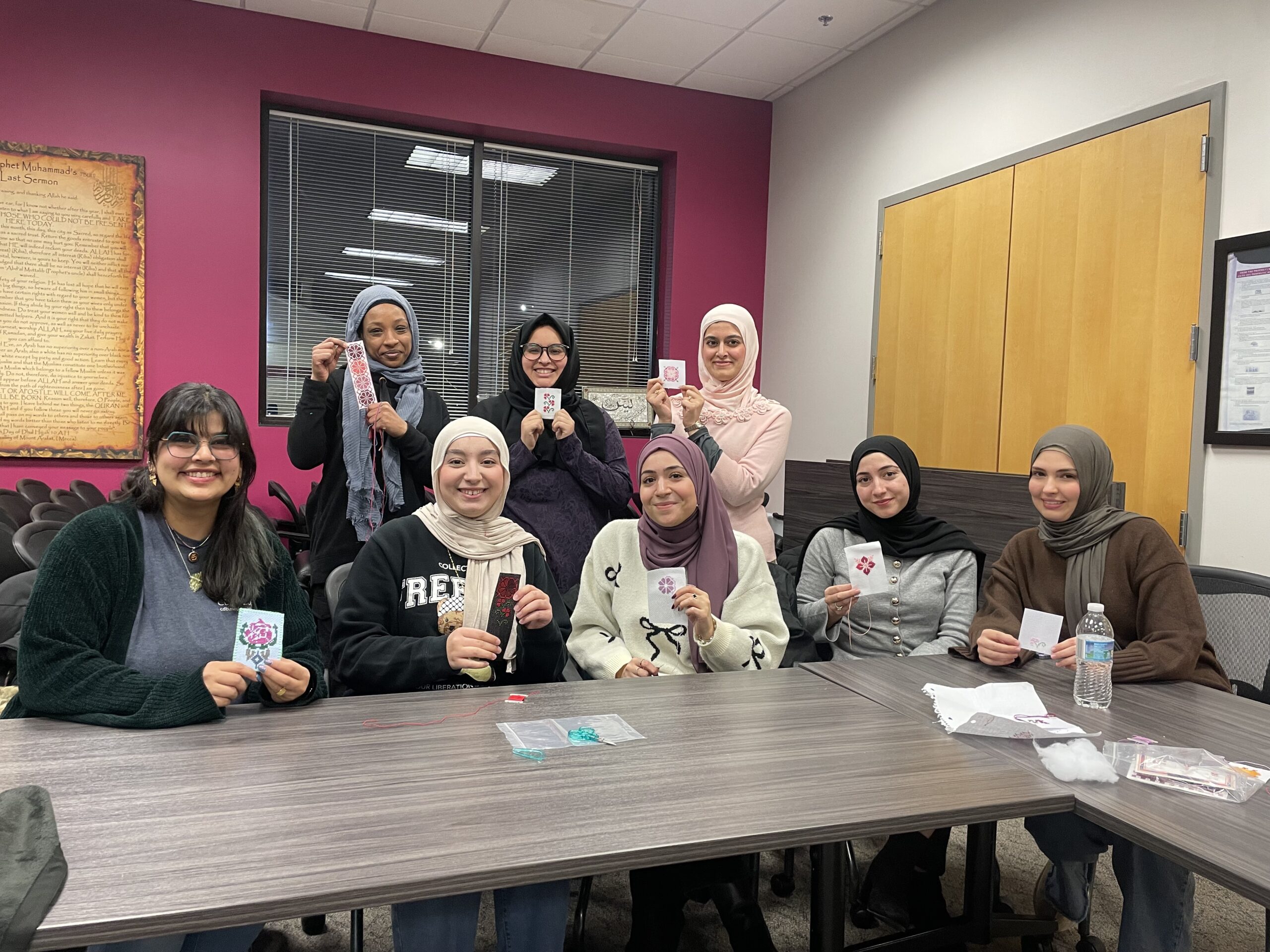
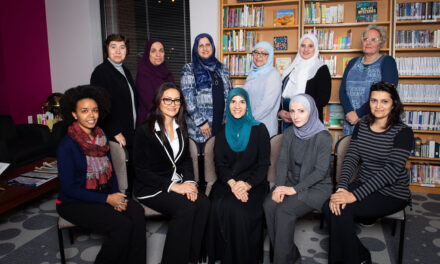
Participants pose with their in-progress tatreez projects during a Sisters Sip & Stitch workshop at the Muslim Women’s Coalition
Tatreez Requires Patience and Practice But Anyone Can Do It
People interested in trying tatreez need a few basic supplies: waste canvas for embroidering clothing items or Aida cloth for décor items and samplers, size 8 DMC pearl cotton thread and/or size 25 embroidery floss and a blunt tapestry needle. Other essential tools include embroidery scissors, tweezers, pins, sewing thread and embroidery hoops.
Asad said these supplies are usually available at local craft stores like Hobby Lobby and Michaels and online from Amazon.
“The pearl cotton is sometimes not as easy to find because the stores are limited in color choices. “I would say if you have a relative overseas, you might want to have them ship thread to you,” Asad said.
Can non-Palestinians learn and wear tatreez?
“Yes, as long as they know and respect it as Palestinian tatreez and they don’t take a motif that’s from a Palestinian city or has a Palestinian meaning and change it. It’s nice for people to come together from all different backgrounds, races and colors to learn about the art of Palestinian tatreez,” said Asad.
She hopes others discover—or rediscover—this meditative, culturally significant hobby.
“Tatreez did help ground me and center my frustrations and my emotions around it. I mean, we’re still upset all the time, hopping on the news every evening to see what happened, are we close to a ceasefire, do they have food and medicine—so many emotions. And tatreez helped me, because with three kids and my job, I don’t have time to be in a bad mental state. It is a soothing outlet, and it made me feel better, too, because it’s something Palestinian,” Asad said.
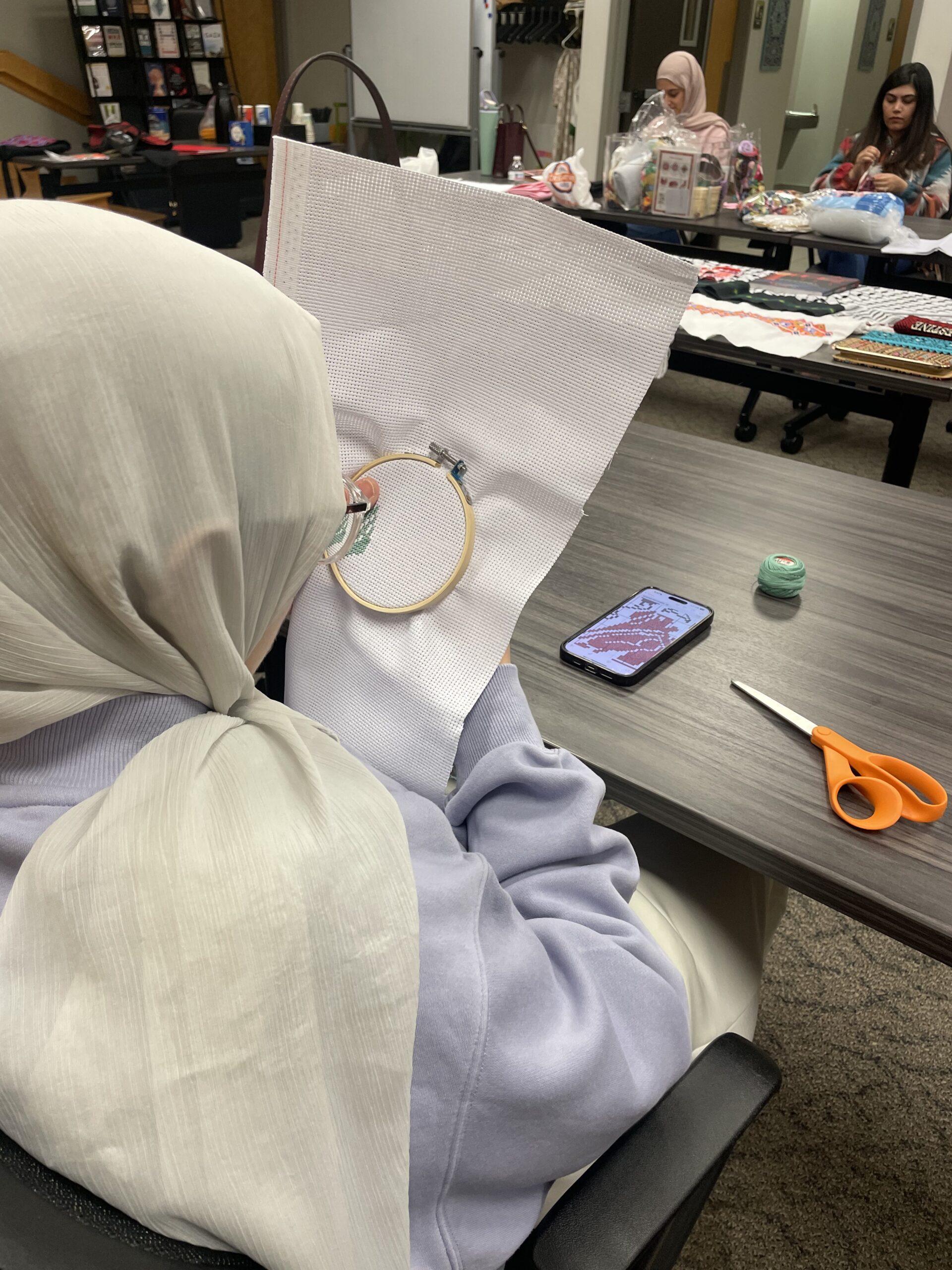
A workshop attendee uses an embroidery hoop while working on a tatreez project
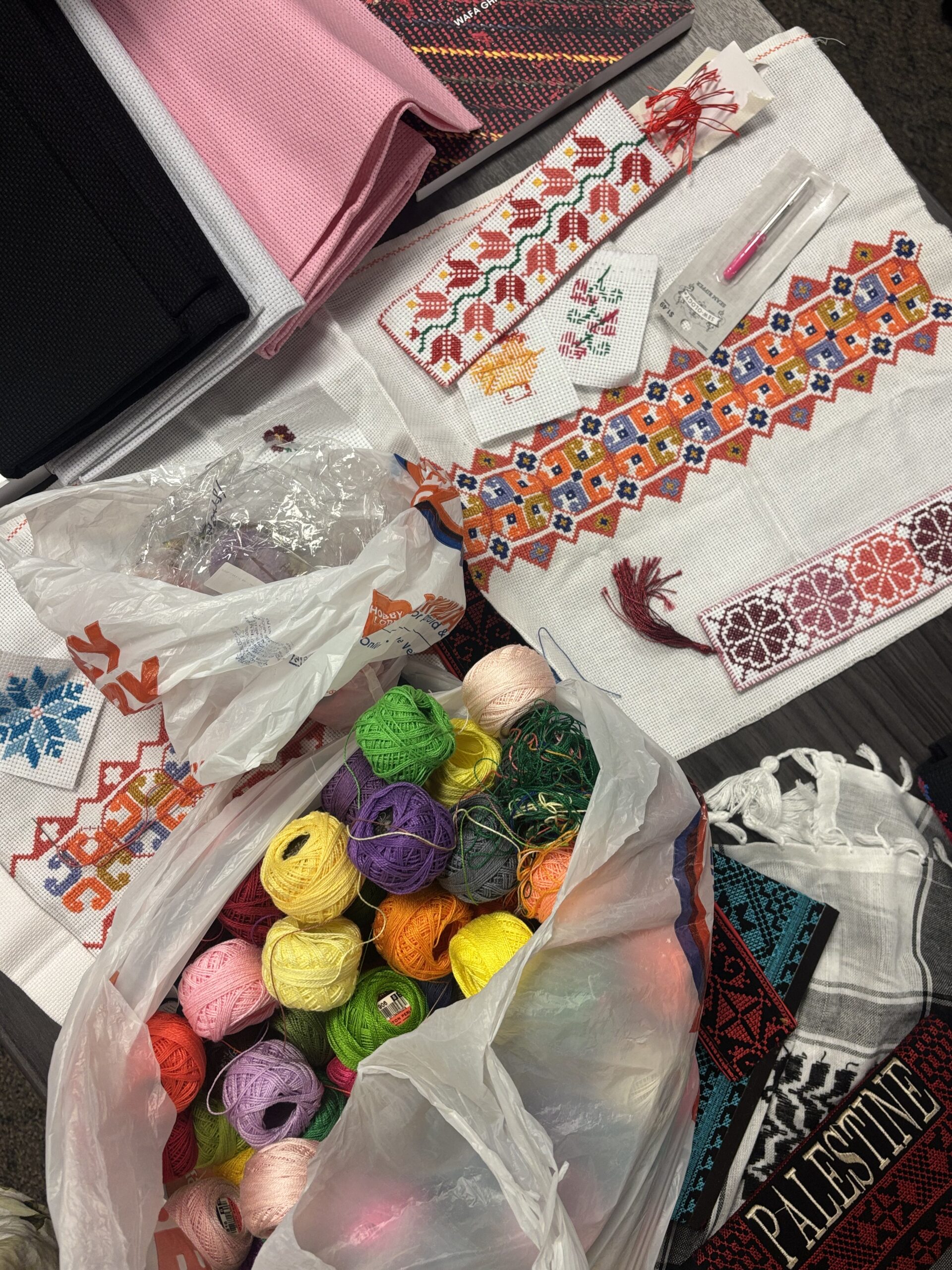
Tatreez materials, from threads to templates and reference pieces, take on all the colors of the rainbow during a Sisters Sip & Stitch session
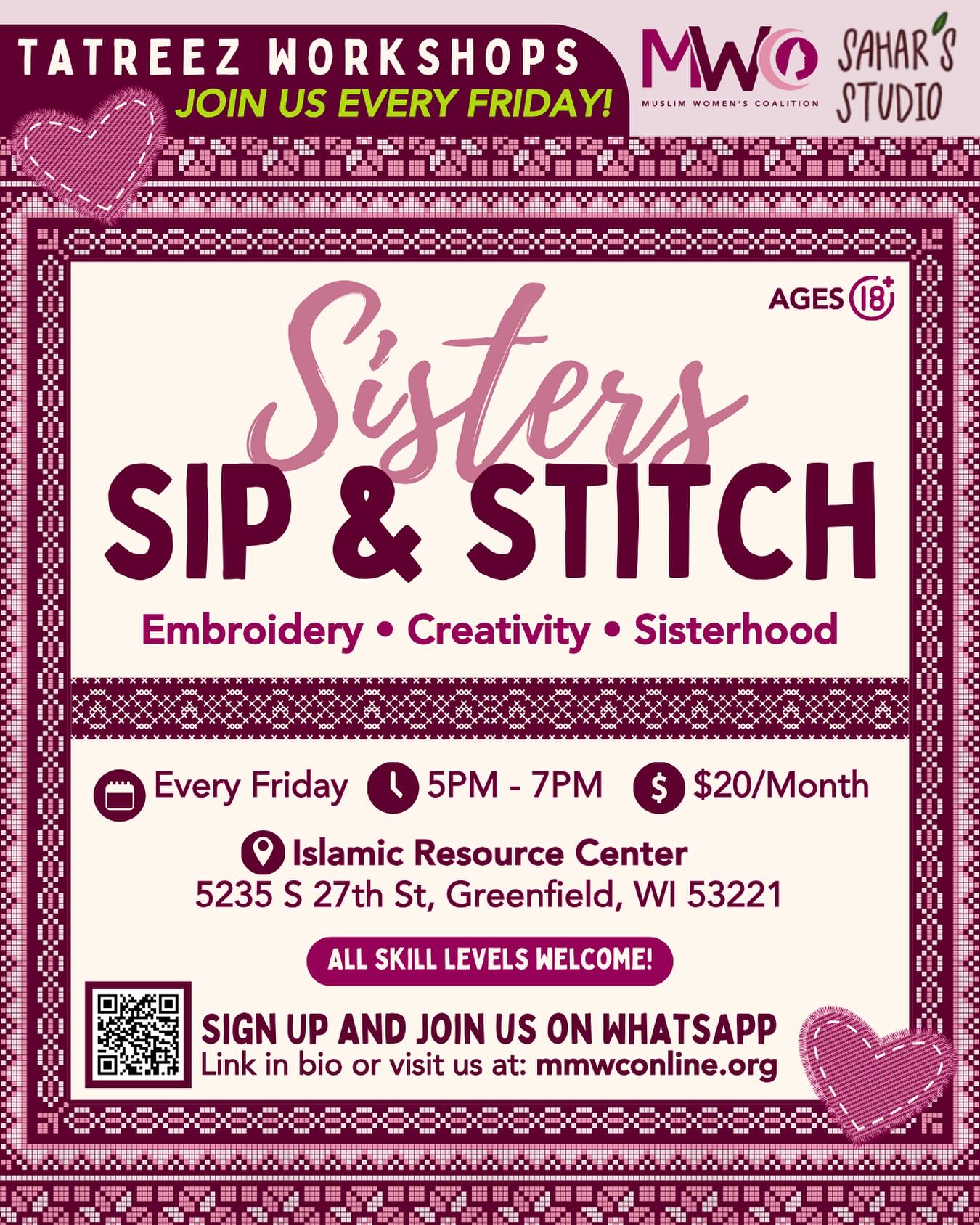
The Sip and Stitch tatreez workshops, led by Mahmoud are held at the Islamic Resource Center, 5235 S. 27th Street, Greenfield, Wisconsin, each Friday from 5-7 p.m. All skill levels are welcome, but sisters must be 18 or older to participate in the workshops where, according to the class description, they will “learn foundational stitches, create meaningful pieces like bookmarks and keychains and build lasting bonds through the art of embroidery.” Cost is $20 a month. Sign up here.