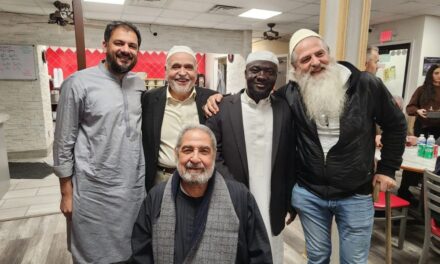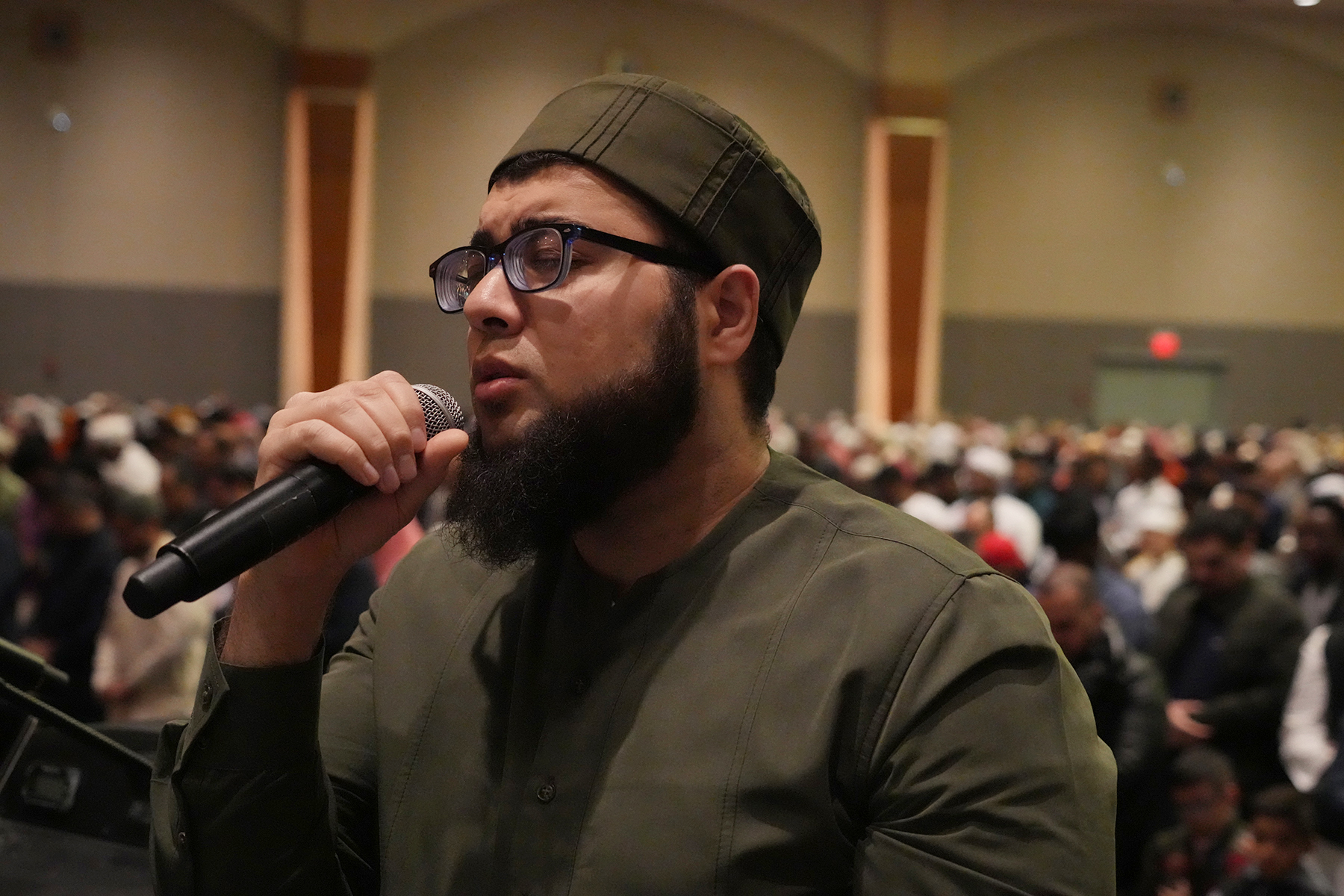
Imam Ameer Hamza led the 2023 Eid prayer service in Milwaukee. Imam Hamza left Milwaukee last month to become resident imam at the Maryam Islamic Center in Sugarland, Texas, near Houston.
With their possessions at Statesman Apartments in Franklin all packed up, Islamic Society of Milwaukee Imam Ameer Hamza, his wife Hinna Musavvir and their son Ibrahim said a final prayer Oct. 31 in the apartment that had been their home for six years. Two weeks later, they would be in Houston, where Hamza would begin a new role—resident imam at the Maryam Islamic Center.
“I believe it’s the biggest mosque in Houston,” Imam Hamza, 38, told the Wisconsin Muslim Journal in a Zoom interview last week from his new Texas home. “In my role as a resident imam for this mosque, I’ll be involved in everything from giving pastoral care to launching incredible programs, taking care of the community, leading prayers, giving sermons—the whole nine yards.”
Excited as he is about his new opportunities, that moment in Wisconsin before turning in the keys, “was very emotional,” he said. “Statesman Apartments is very symbolic. That’s where we launched Core. That’s where we had our first meeting.
“That’s where our leadership development program, Core Leadership, met every Saturday from 9 a.m. to noon. My wife and I cooked for them and hosted them. That’s where we held so many meetings, planned so many projects, launched so many initiatives. It all happened in that apartment and in the Statesman Apartments Club Room.”
Imam Hamza’s role in creating Core, ISM’s programming for youth and young adults, and the many young Muslims he mentored will have a lasting impact on Greater Milwaukee’s Muslim community, said ISM president Salah Sarsour. “He leaves a legacy of work with youth, programming and projects for the young generation we can build on and benefit from.”
Hamza shared his story with Wisconsin Muslim Journal—from his childhood in Pakistan to working in Fortune 500 companies in Wisconsin, then leaving his career for Islamic studies and work as an imam. We also talked to ISM’s leadership and a few young Muslim leaders he mentored about his impact in Milwaukee’s Muslim community.
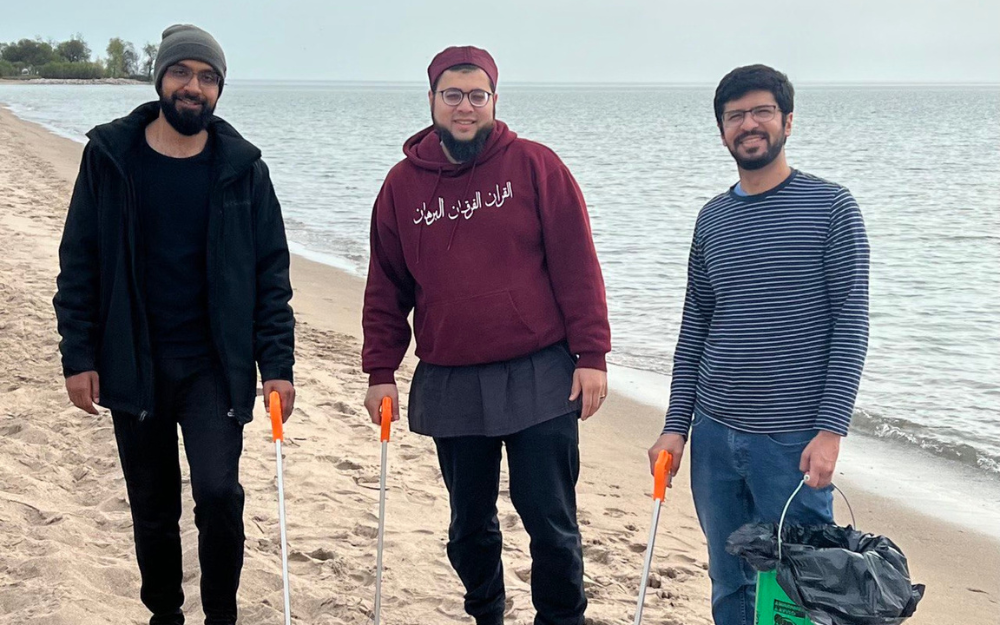
Zeeshan Sabih, Imam Ameer Hamza and Abdullah Akhtar helped clean Milwaukee beaches in 2022 during one of ISM Core Young Adults & Professionals’ service projects.
From “brother” to “ustadh” (learned teacher)
Hamza was born in Karachi, Pakistan, where he completed the memorization of the Qur’an by age 12. When he was 13, in late 2000, on the eve of 9/11, he moved with his parents to Milwaukee.
“President Clinton passed some sort of law that allowed immigrants to achieve legal status, so my parents applied,” he explained. “The next thing you know, we’re here.
“Our Green Card process collapsed twice, but by divine providence, it got a new lease on life. We came straight to Milwaukee because we had family here who could help us acclimate.”
Hamza started eighth grade at Salam School, where he got the “Sister Khadijah treatment.” He told WMJ he “felt a little insecure and was trying to fit in. She really treated me like her own son … I felt not only comfortable but gained a higher sense of self-esteem.”
Salam School did not have a high school at the time, so Hamza transferred in ninth grade to Riverside University High School, where he graduated.
On to the University of Wisconsin-Milwaukee, he studied accounting and financial planning. He graduated from UWM in 2010 with a bachelor’s degree in accounting and began a career in the corporate world. He worked as an accountant, financial analyst and planner, rising to the role of senior financial analyst for Eaton Corporation and financial associate for Johnson Controls.
“After four years, I had what I call ‘a quarter life crisis,’” Hamza said. “I asked myself, ‘Am I just going to crunch numbers for the rest of my life?’ It was clear to me that to move up the corporate ladder, you really have to demonstrate almost relentless commitment to your company. I felt a loss of meaning in exerting myself in that path.”
Around the time when Hamza was ready to jump ship and pursue Islamic studies, the ISM announced a program to support young, local Muslims who wanted to pursue graduate studies in Islam in exchange for committing to work at ISM upon graduation.
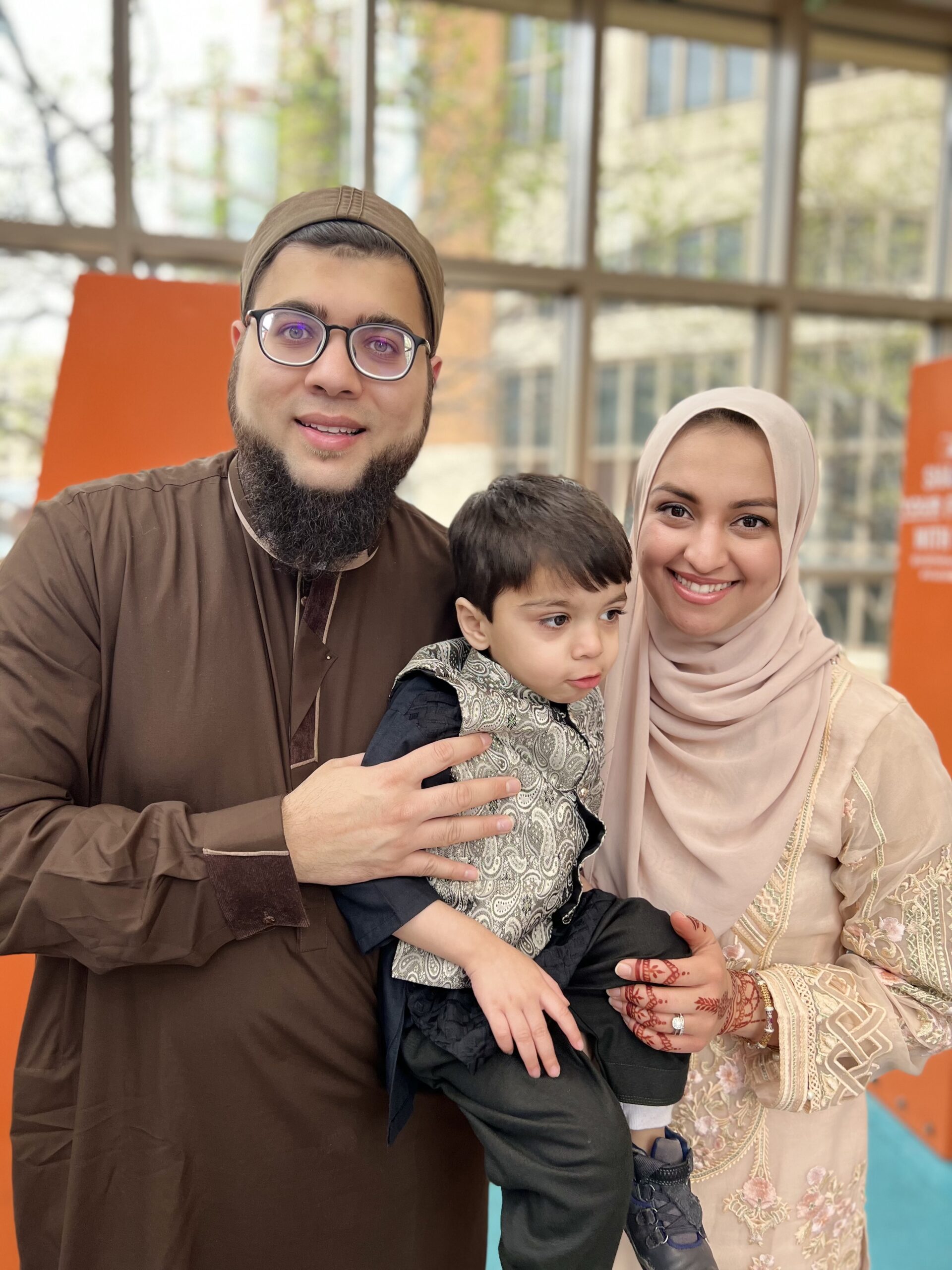
Imam Ameer Hamza and his wife Hinna Musavvir, an accomplished Quran teacher, together played key roles in developing ISM’s Core program. Pictured with them is their son Ibrahim
“I had just gotten married and, to my shock, my wife was surprisingly supportive. She had married an accountant, not an imam. It was a risk. You don’t know what lifestyle downgrades it would entail. My family and my in-laws were also very supportive. ”
Hamza already served ISM teaching classes and “doing a little bit of youth work.” He had led taraweeh prayers in Ramadan for almost a decade. “I had a little bit of a track record built with ISM,” he said. He contacted the ISM shura (administrative board) to let them know of his interest in the program.
Hamza and Rami Bleibel were chosen to be the inaugural participants and started their studies in 2015, Hamza in Texas and Bleibel in Lebanon.
About Hamza, Saleh Sarsour said, “We felt from Day One he has passion for the youth, that he understands the young people raised in our community and what they need. We believe in focusing on our youth and keeping them close to our deen (religion). The education of these two men was an important investment in our future.”
With tuition and a stipend from ISM, Hamza earned his ʿĀlimiyyah degree from Qalam Seminary in the Dallas-Ft. Worth area in 2019.
“By the way, not many communities invest in future leadership like this,” Hamza added. “I am so very grateful. We are light years ahead in Milwaukee. Now ISM is sponsoring two more.”
As soon as his studies were complete, Hamza’s son Ibrahim was born. Hamza returned to Milwaukee to work as an imam for ISM.
Building a foundation
Hamza started as the ISM Youth Imam in 2019. “Our youth program was at a standstill at that time,” Hamza recalled. “Also, the Salam School curriculum needed revitalizing and a lot more resources. Those two issues became my focus.”
First up—building the structure for ISM Core.
“The idea behind Core is quite simple,” he explained. “Change comes at the hands of committed core individuals.
“How do you find them? You cast a wide net. In the process, you find the core individuals. You coach and mentor them. So, our strategy began with a lot of public programming. We would do dramatic things. We’d bring great speakers, do skits and TikTok competitions, tournaments, a lot of different things.”
At the various programs, ISM Core offered opportunities for more intensive learning experiences. “We set up little filters, maybe a small fee or an interview, some hoops to jump through. Only people who are serious would even care to apply. Then we produced multiple tiers of leadership.”
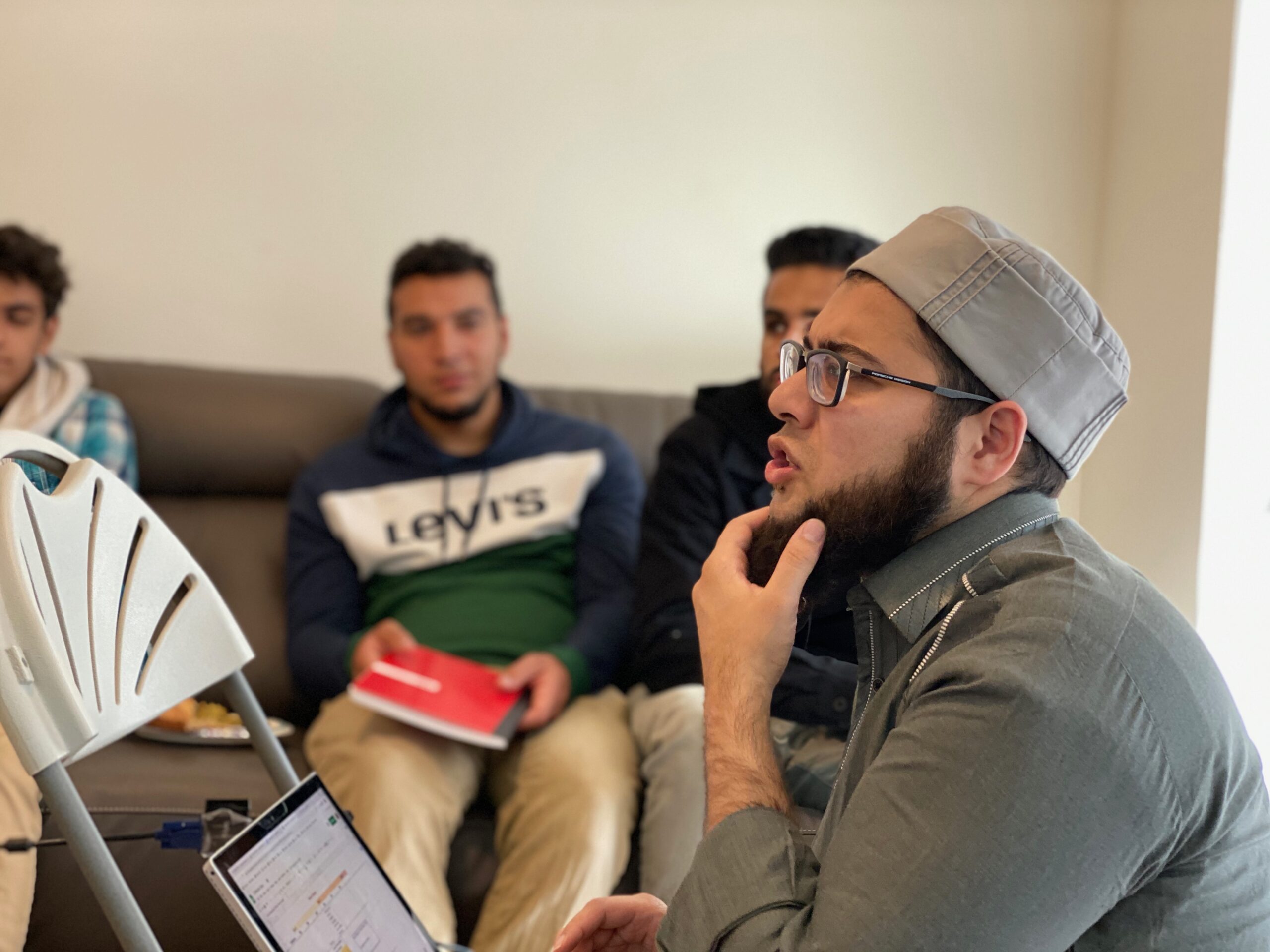
ISM Core became a three-tier model. Volunteers organized monthly events. Branch leadership teams led Sisterly, Brotherly, Young Adults and Professionals, and other Core programs. At the top, the Core Leadership Team oversaw all Core programming. That is the group that met every Saturday morning in the Hamzas’ apartment.
“I was really fortunate and very privileged that a group of young people rallied around me,” Hamza said. “These early pioneers threw in with me and we were able to launch the programs.
“We launched Core Academy at the end of 2019. Core Academy is really precious to us because this is where we offer intense knowledge in a very fulfilling way. You’re looking at 25, 30, sometimes 50 people signing up. These are your cream of the crop filtering to the top.
“Another successful initiative was Core Club for high schoolers. It brought a lot of youth to the masjid every Friday night. We’re on our eighth reiteration of Core Club now.”
With huge turn-outs for public programs and increasing commitments from youth to participate at higher levels, Core was on an upward trajectory when the COVID pandemic hit in 2020. Core programming shifted to Instagram and continued online. And now it is back in-person and online, stronger than ever, participants say.
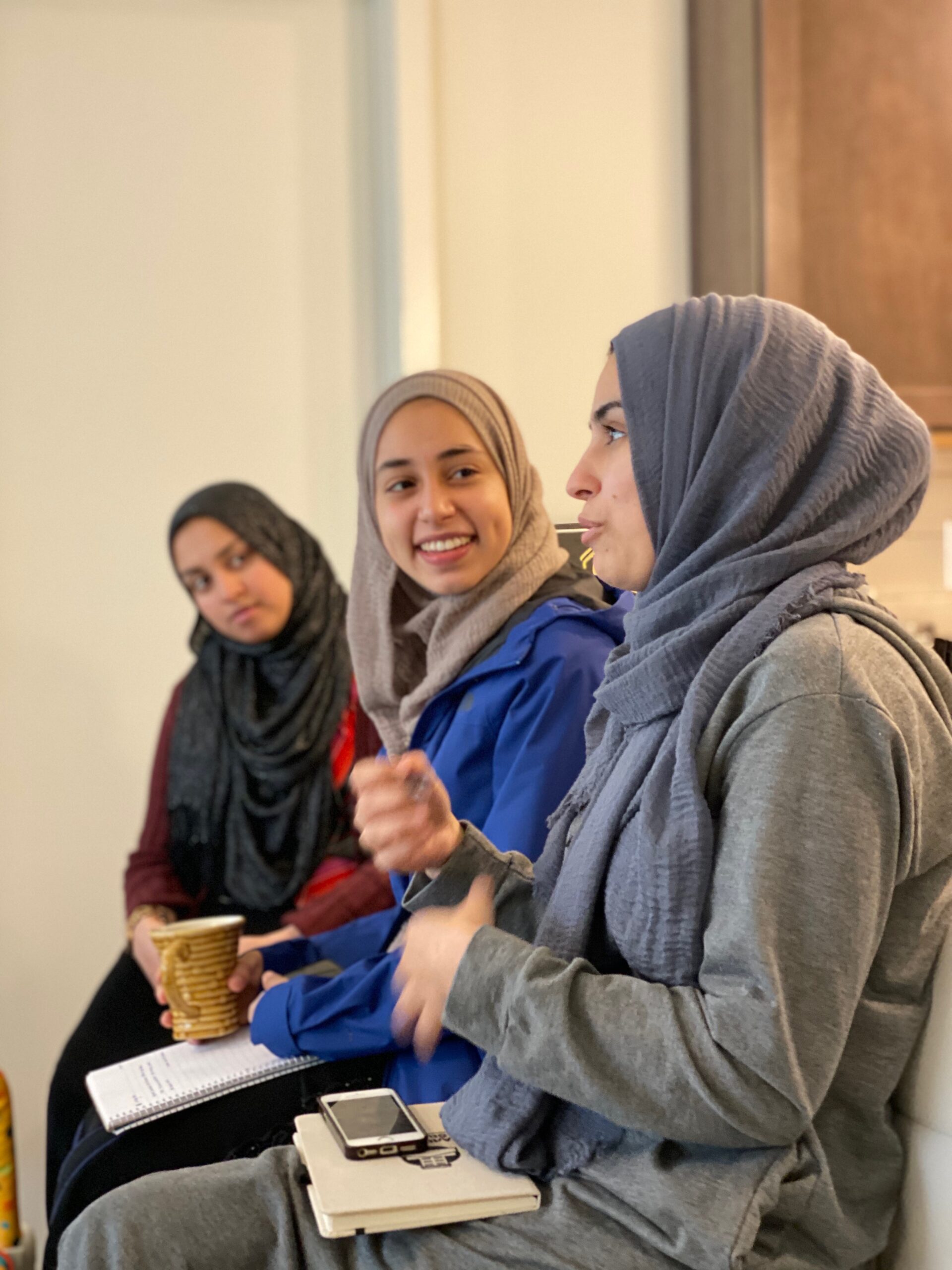
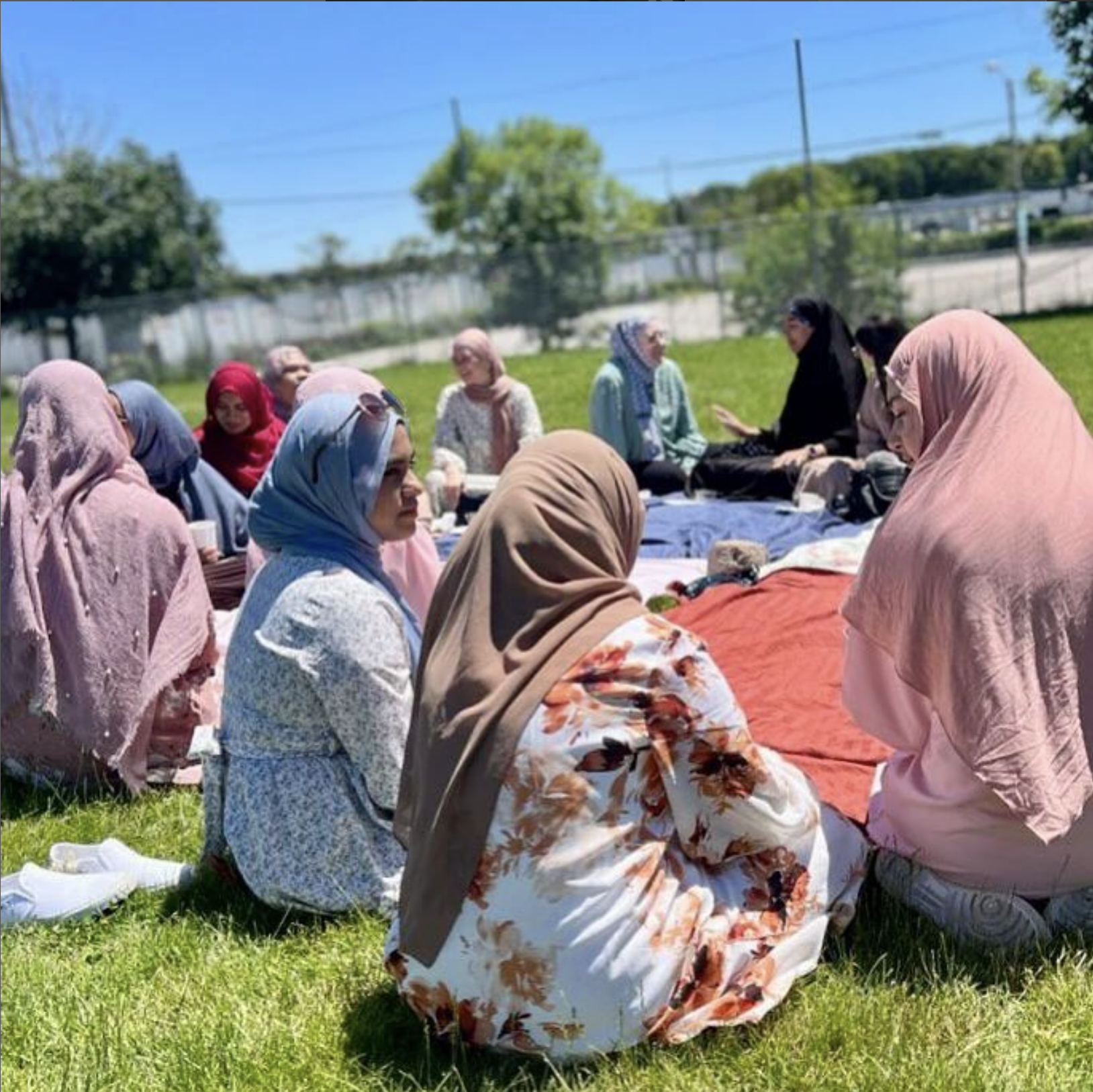
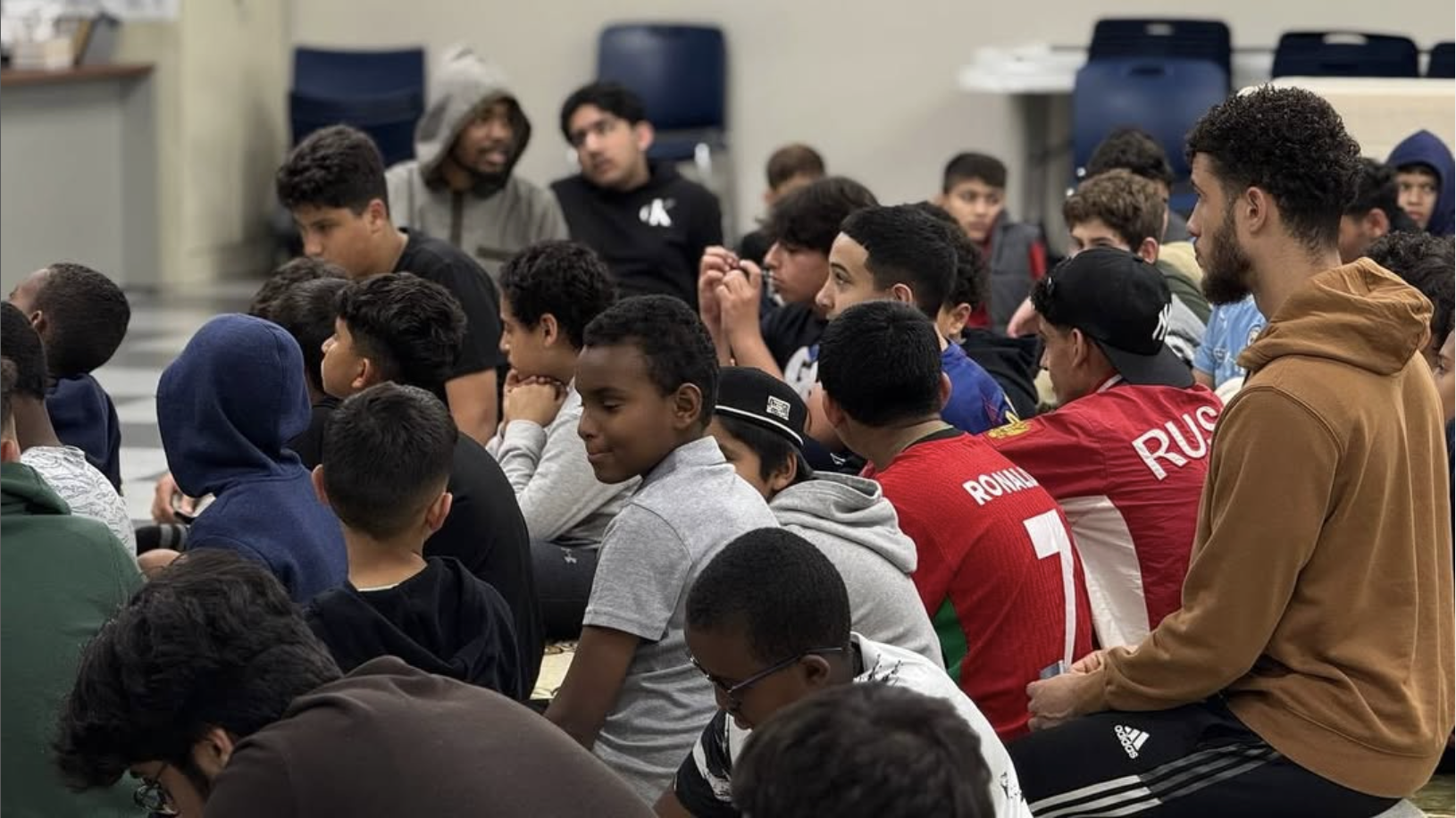
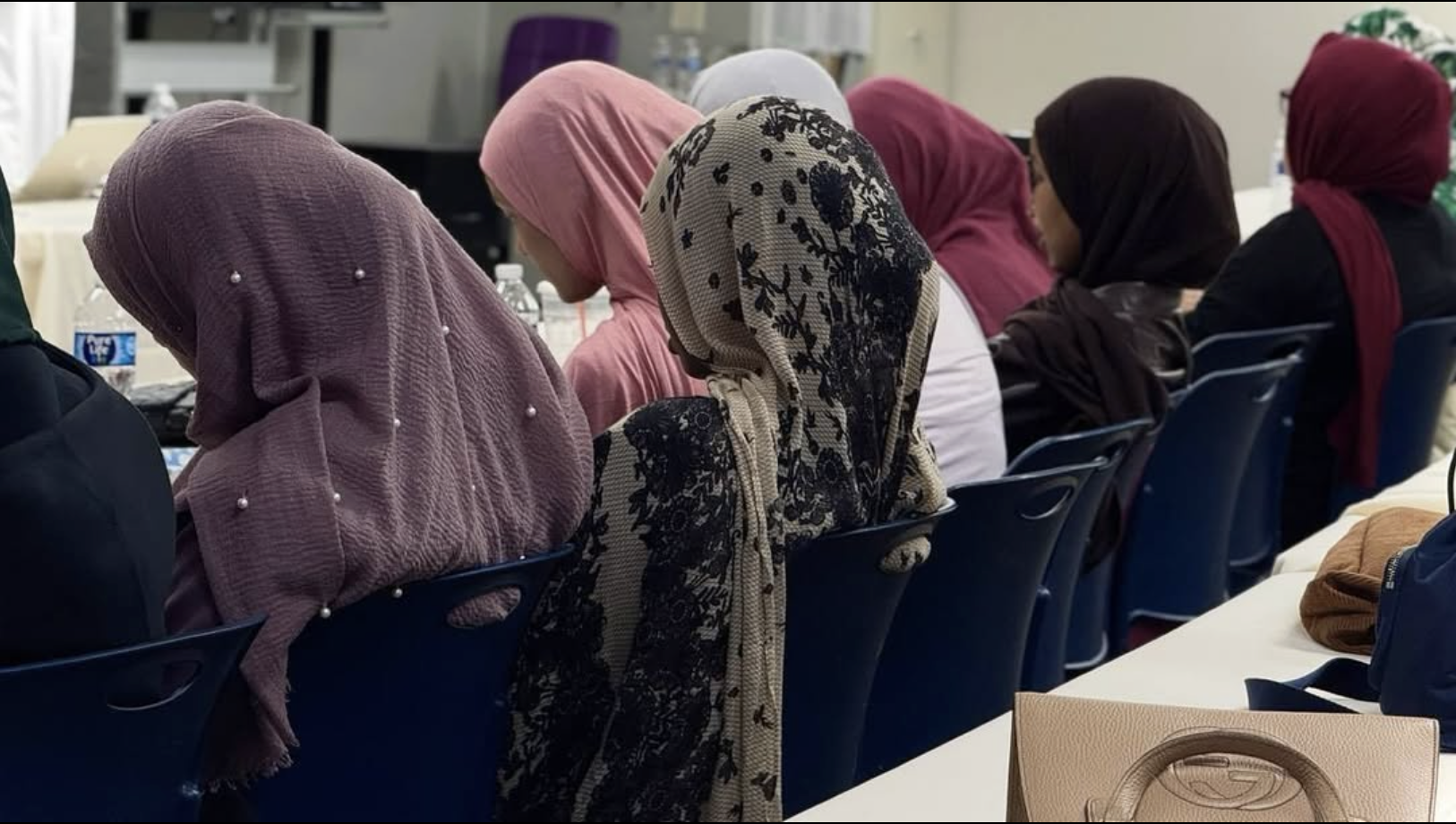

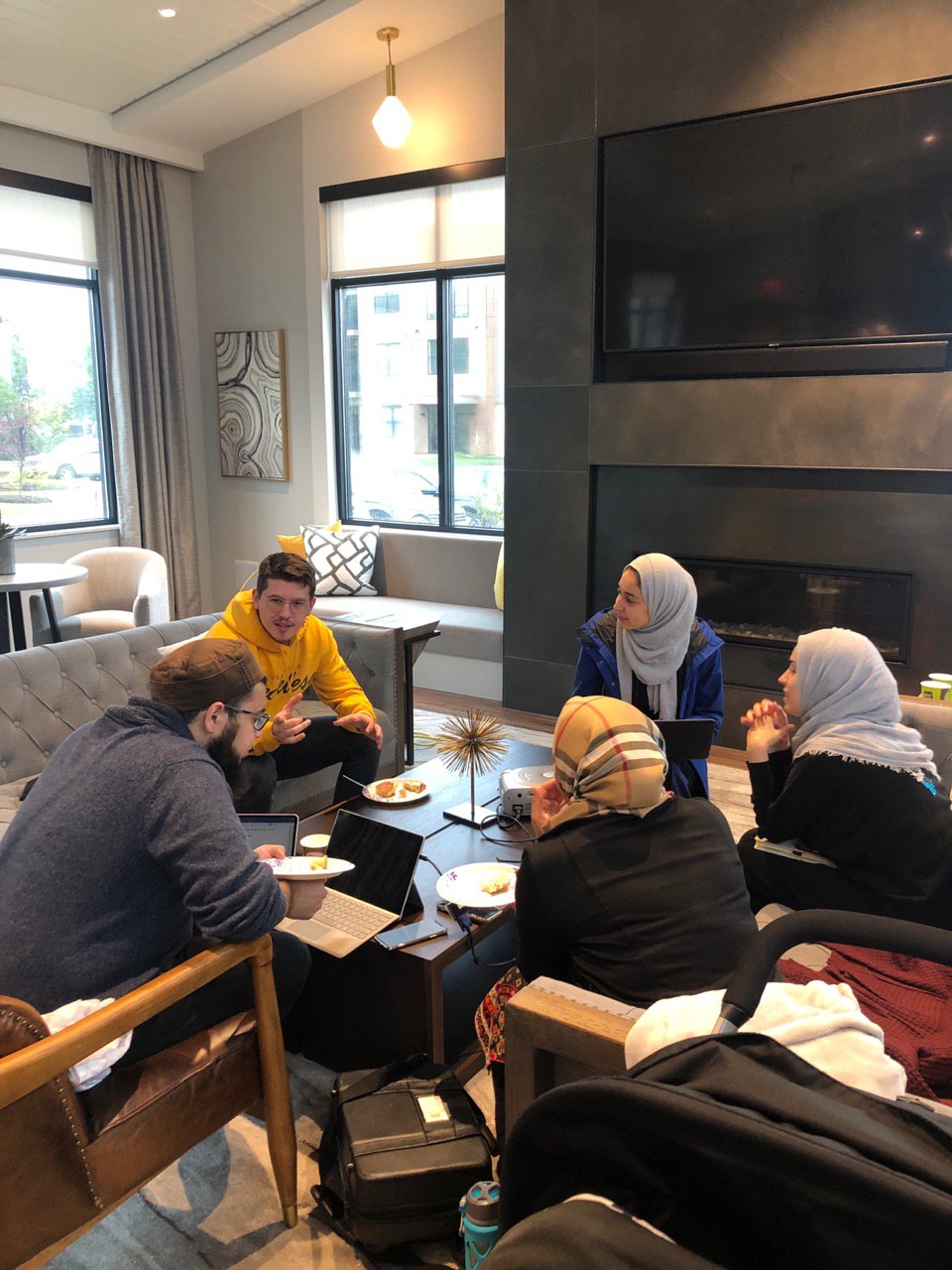
ISM Core, the Islamic Society of Milwaukee’s programming for youth and young adults, offers fellowship, recreation and opportunities for spiritual growth and service.
Lasting impact
“One very big highlight of my journey at ISM is our current youth program directors. They all originated in-house and are products of our work.”
Taaha Zuberi is now the full-time ISM Core Program Director. “He’s been with us for about five years in multiple leadership roles. He’s my successor with Core,” Hamza said.
“Mason Hakes, a convert, is heading up Core Academy. He was a Core Academy student from Madison who started attending during COVID. We were able to bring him on as a recent hire.
“Samentha Fejozolli was a Core Club high schooler. She’s in college now. A remarkable talent! She is our Logistics Head and has been helpful with so many programs. So those are our three hires.
“There’s one more remarkable person we’d like to bring on board—Jana El-Barbarawi—to be the social media manager for all ISM affairs. All four of these people came up through the ISM Core programs. This is one of our proudest accomplishments.”
Yet, “they need mentorship,” he cautioned. “Guidance, religious and spiritual. And that requires someone who’s just a little bit senior to them. All three are in their early 20s; I had at least a 10-years on them.
“It’s a testament to the young people of Milwaukee that ISM Core has an organizer base of almost 90 individuals, 25 branch leaders and 14 on the Core Leadership team. And there are more people applying every day to be Core organizers. We have a vibrant, driven, talented and dedicated base of young people who spiritually gravitate toward their faith and want to give back to the community.”
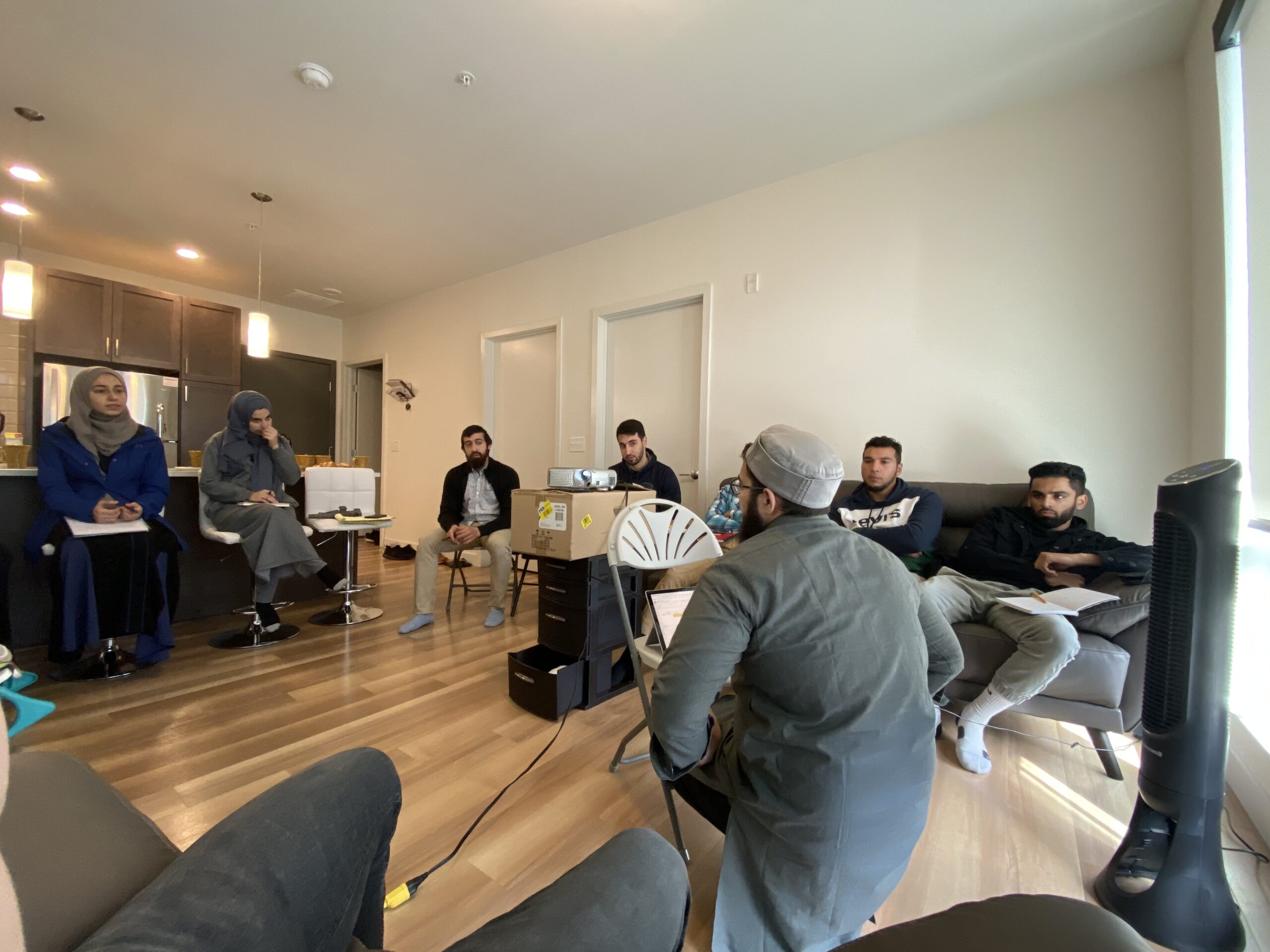
Besides building an infrastructure for youth programming, Hamza greatly impacted the lives of young people he mentored. Among them are Zeeshan Chattha, Taaha Zuberi and Umber Syed.
Chattha is a young physician in his final stage of residency who met Hamza about 18 years ago in ISM’s Sunday and Summer Schools, “back when he was Brother Ameer and we traded Yugioh cards. He dropped some bombshells on my Americanized self. He was very instrumental in helping me stay on a good path.”
Fast forward to when Chattha returned from medical school. “He brought me back into the masjid with Core. I genuinely cannot understate the amount of positive influence he’s had on my life. I think if Allah didn’t put him where he put him, when he put him there, I would be in a very different place.
“The impact he had on me, he’s had on dozens, if not hundreds or more, individuals. And the impact of Core is unbelievable. Ameer put his heart and soul into it.”
Hamza was Zuberi’s Qur’an teacher 14 years ago. When Hamza went to seminary in Dallas, Zuberi continued studying with him online. And when Hamza returned to Milwaukee, he invited Zuberi to participate in developing ISM Core programming.
“Over the past five years, I got more involved and now I’m leading it,” Zuberi said.
Zuberi described Hamza as “analytical, strategic, systematic. If I had to boil it down, I’d say he is someone who’s willing to do more than anyone else. He is very committed.”
That’s why Core started, which started at one program a month, now has 15 a month, Zuberi added. “Without all the work he put in, we would not have the quality or the quantity of programming we do.”
And as a teacher, “he makes Islamic studies fun.”
Syed said she doesn’t know where to start. She recalled meeting Hamza in 2019 when she was a senior at Salam High School and he was a new ISM imam. “It was dismissal time and I was headed out when Ustadh Ameer stopped me in the hallway and asked me if I’d like to volunteer and coach for his Heart Detox program, a large program for Salam School students and kids in the community.
“He created such a fun learning environment. I’ve been volunteering with Core ever since.
“Ustadh Ameer has been an incredible mentor and teacher. Growing up you hear so many different versions of what Islam is. What I learned from him is that Islam is a way of life. It stresses leading a life with intention. I think the connection, closeness and my love for my religion grew tremendously from being part of this (Core) group.
Hamza introduced Sayed’s father to the man who became her husband, also a Core volunteer. They both continue to volunteer to this day, “growing together and being a part of that community.” Hamza performed their Islamic marriage ceremony.
Syed calls him “ustadh” because “it is a term that carries a lot of respect and reverence,” she said. “He has taught us so much and is there for us in so many ways.”
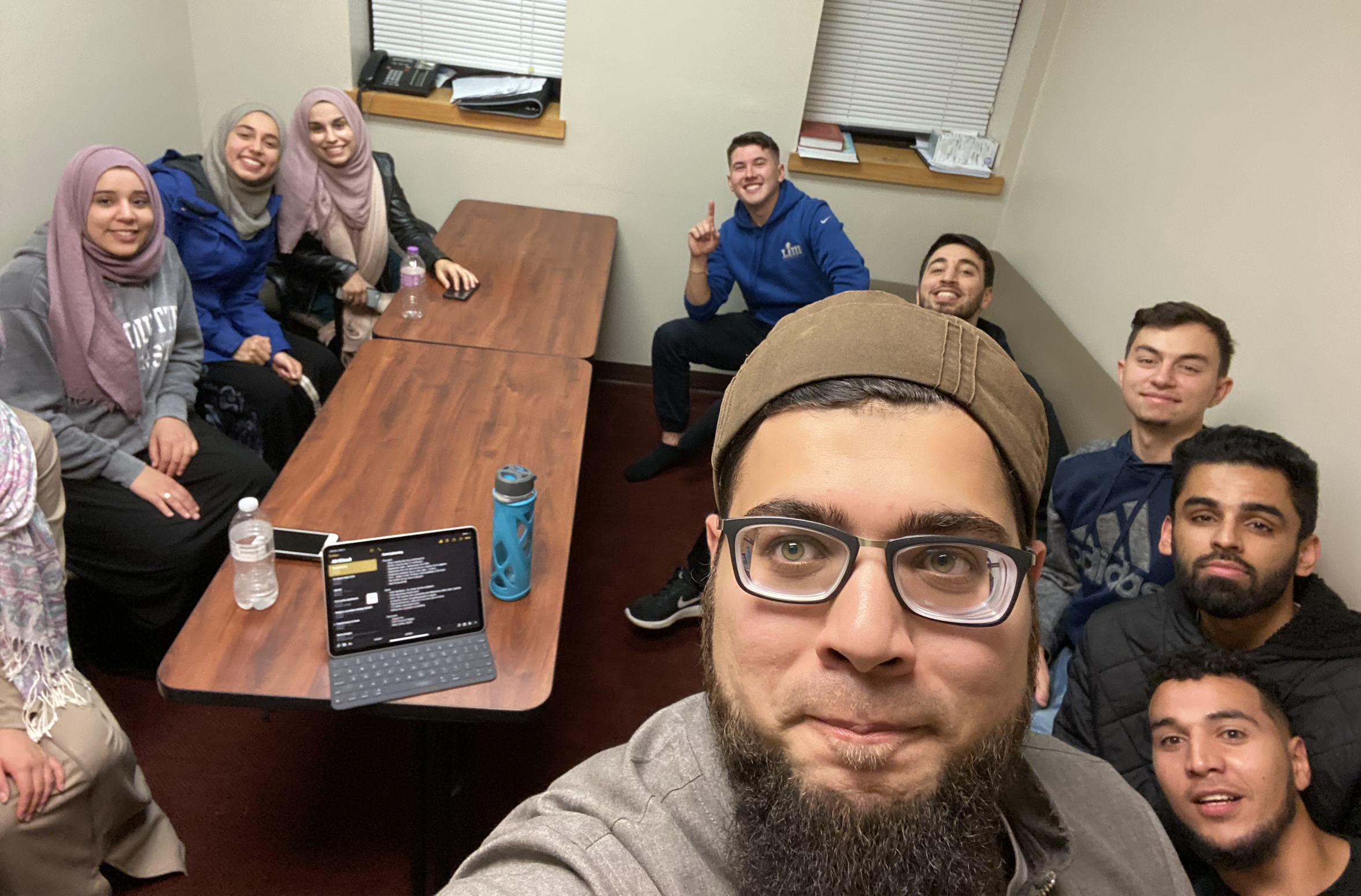
“Thank you, ISM!”
In his last two years at ISM, Hamza transitioned from youth to resident imam. “It was a natural progression and now it’s time to get the next wave ready.
“I’m indebted to the ISM leadership for trusting me and for giving me autonomy to enact these programs with very little red tape. That’s why we were able to grow so quickly. I’m grateful first of all for the sponsorship of my education and for their support. They set up people for success and help us make a real difference. When I look at these six years and all we’ve been able to accomplish, I see it is because we had a very empowering environment.”