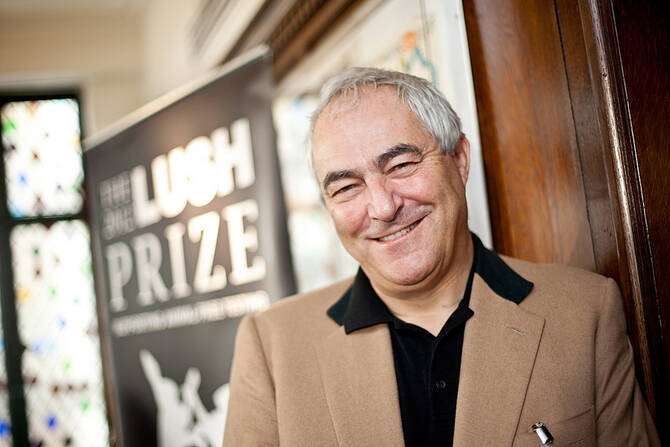
Mark Constantine says he’ll use profits from customers to fund more Gaza activism, tells those who disagree with his stance to shop elsewhere after shutting all UK stores in solidarity
Mark Constantine, the 73-year-old co-founder of British cosmetics retailer Lush, has a blunt message for customers who oppose his company’s activism on Gaza: stay away from his stores.
In a recent podcast interview, Constantine made his position unmistakably clear. “You shouldn’t come into my shop,” he stated. “Because I’m going to take those profits you’re giving me and I’m going to do more of that—so you absolutely shouldn’t support me.”
The statement comes after Lush took a significant financial and symbolic stand in September 2025, shutting down all its UK stores and website for an entire day in solidarity with Palestinians facing starvation in Gaza.
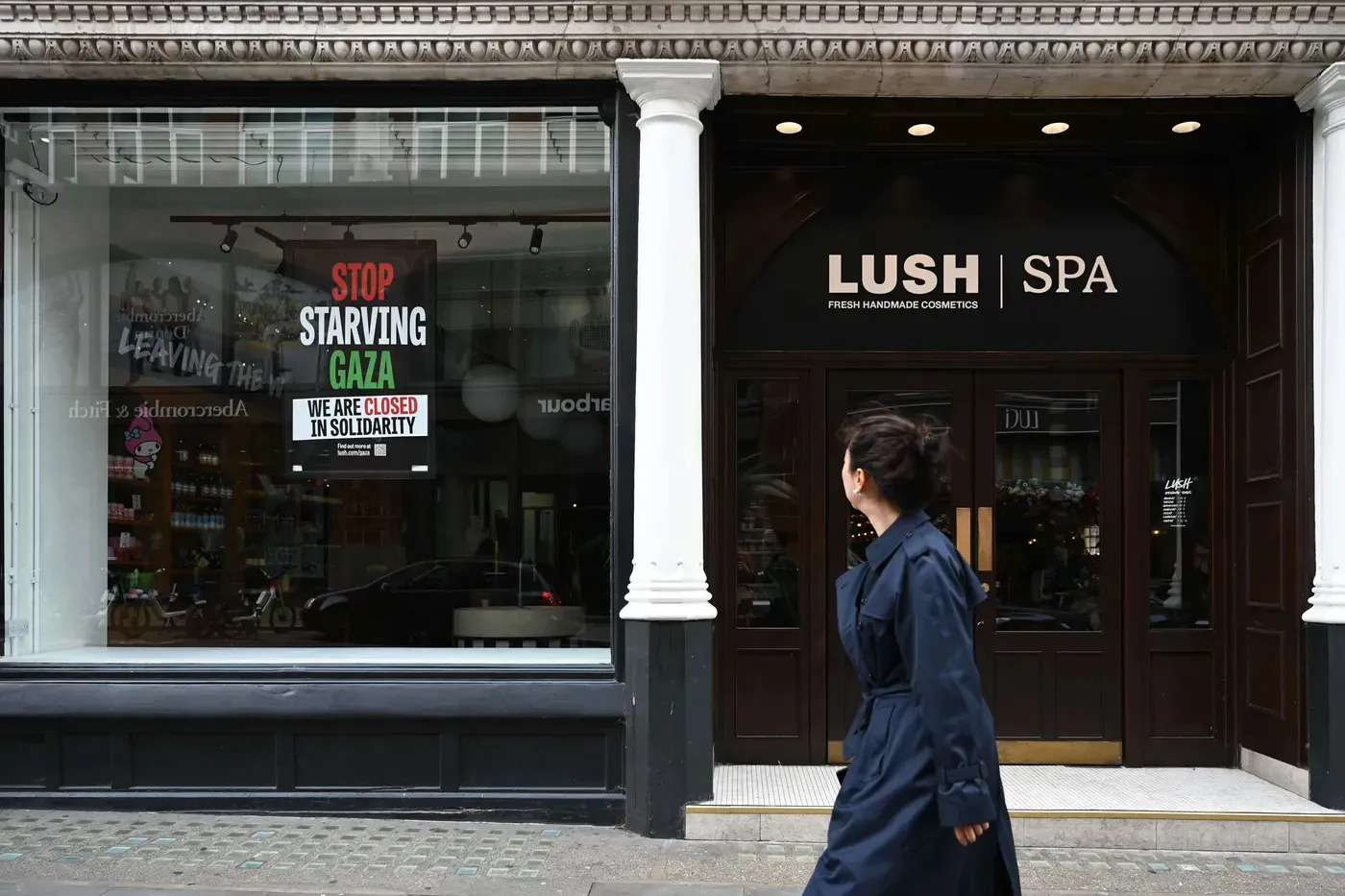
The closure, which affected over 100 stores and factories, cost the company approximately £300,000 in lost revenue. Store windows displayed banners reading: “Stop starving Gaza, we are closed in solidarity.”
Constantine, who holds an OBE, defended his approach by rejecting the notion that compassion should be viewed through a political lens. “I’m often called left wing because I’m interested in compassion. I don’t think being compassionate has a political stance,” he said. “I think being kind, being sympathetic, being compassionate is something we’re all capable of and all want to do in certain areas.”
When pressed about whether his stance might harm business, Constantine doubled down. “Absolutely, that’s what you [the shopper] should do,” he responded, before posing a challenge to potential boycotters: “The only problem is, who are you going to support? And what are you supporting when you do that? What is your position?”
The company, which trades in more than 50 countries with 869 outlets and generates £690 million in annual turnover, has made its support for Gaza visible through multiple initiatives. Beyond the September shutdown, Lush relaunched its “Watermelon Slice” soap to raise funds for medical aid in Gaza—an effort that drew criticism from Zionists online and calls for boycotts, though many others supported the initiative both vocally and financially.
In a statement on its website during the September closure, the company wrote: “Across the Lush business we share the anguish that millions of people feel seeing the images of starving people in Gaza, Palestine.”
Constantine also drew parallels with other brands facing pressure over their activism.
He referenced Ben & Jerry’s, another company criticized for its support of Palestine, noting that its founders had disagreements with former parent company Unilever about the scope of their social mission. “If you’ve sold your business to someone else, I think you’re asking a lot for them to do everything you want,” Constantine said. “What should Ben and Jerry have done? They should never have sold.”
Ben Cohen, co-founder of Ben & Jerry’s who recently announced he was taking the brand’s new parent company Magnum to court for interfering with its independent board overseeing social initiatives, responded positively to Constantine’s stance. “I have a huge appreciation for Lush, their values, and how they use their most powerful tool—their voice—to advocate for those values,” Cohen said.
Constantine, who treats being called “woke” as a badge of honor, maintains that those who are “unkind to others” are “not going to get on very well with me.” The privately owned company, founded in 1995 in Dorset by Constantine and five other co-founders, is known for its ethical sourcing, handmade products, and integration of activism into its business model.
Constantine has consistently refused to sell the brand, citing the importance of maintaining its integrity and values. His message to customers remains consistent: if they disagree with how he uses company profits, they should take their business elsewhere.







![15 Things You Didn’t Know About Makkah and the Ka’bah [Part 1]](https://wisconsinmuslimjournal.org/wp-content/uploads/2026/03/AdobeStock_87517185-scaled-e1774211732813-150x150.jpeg)