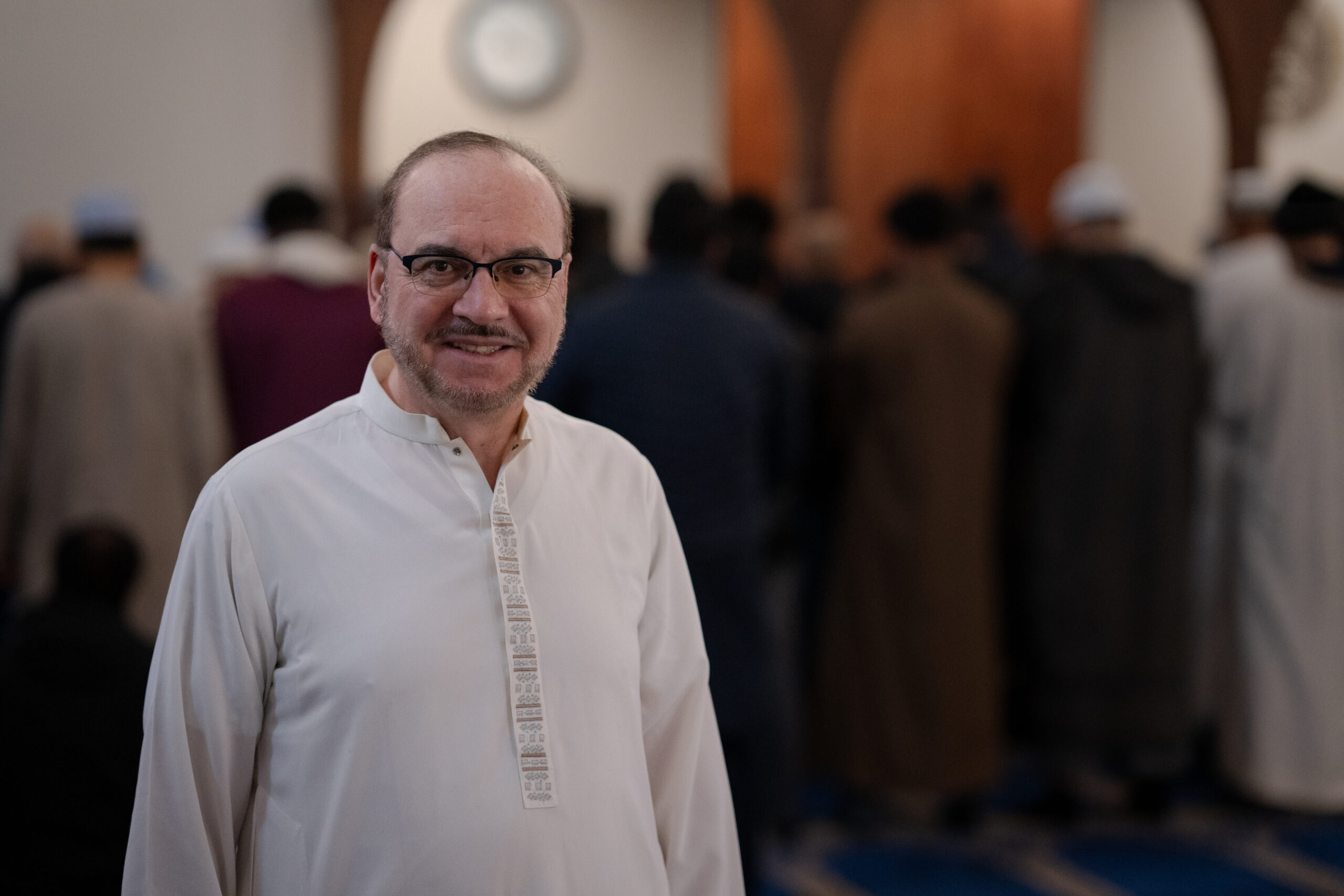
Photo by Yaseen Najeeb
Islamic Society of Milwaukee Religious Chair Waleed Najeeb, M.D., leads the planning of the ISM-Main’s observance of Laylat al-Qadr, a dusk-to-dawn prayer and worship program.
Longtime Milwaukee Muslim community member Sameer Ewis, known to all as “Abu Tariq,” waits all year long to attend Laylat al-Qadr (the Night of Power). He has participated every year without fail for 30 years, he said.
“We don’t sleep until after the morning prayer. We spend the whole night at the jama’ah (mosque), praying, making supplications and listening to teachings, Abu Tariq said. “It’s the night I feel closest to the Creator. It’s a very special night!”
As Abu Tariq puts it, “There are 12 months in a year. Allah chose the month of Ramadan as the holiest, the best. And in Ramadan, the best night is Laylat al-Qadr. I can’t explain my feelings for it. That night is equal to my life.”
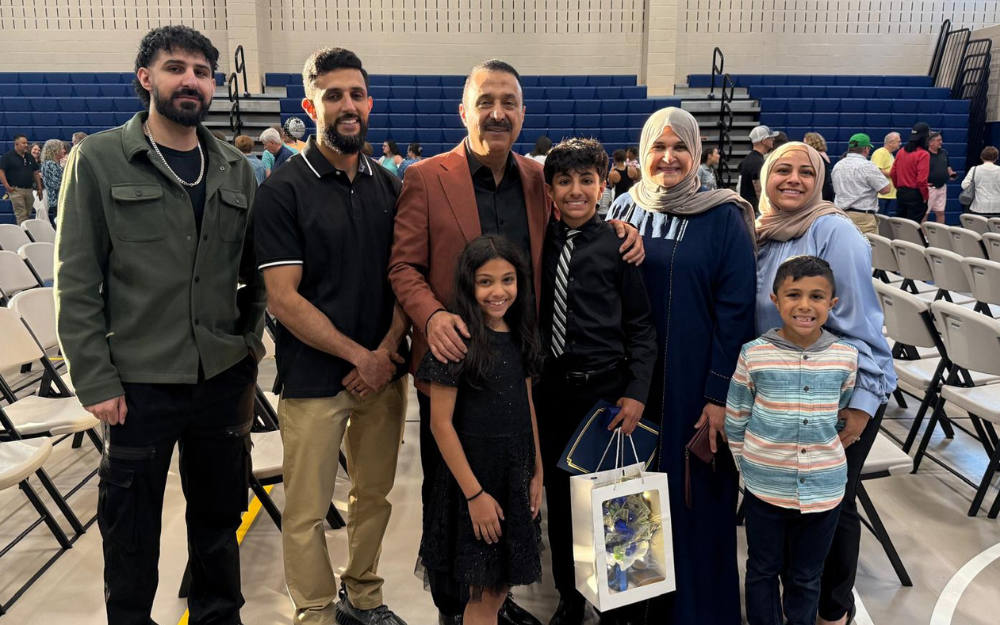
Photo courtesy of Abu Tariq
Longtime Milwaukee Muslim community members Sameer and Mona Ewis (Abu and Um Tariq) are pictured last spring at the 8th-grade graduation of their grandson Zaidan (center). Their sons Ahmad and Tariq stand to the left. In front is their granddaughter Janna. To Um Tariq’s right is her daughter-in-law Walaa and grandson Taha.
Laylat al-Qadr marks the night the angel Gabriel revealed the first verses of the Qur’an to Prophet Muhammad. Muslims pray and worship throughout the night until sunrise, knowing God’s blessings and mercy will flow and their worship will be abundantly rewarded.
The specific night is not known, except that it occurs during the last 10 days of Ramadan on an odd-numbered night. Since Muslims understand their prayers and worship are especially rewarded on Laylat al-Qadr, many pray and worship fervently during that entire period.
“If you ask for something on Laylat al-Qadr, most probably Allah will give it to you,” Abu Tariq said.
“Laylat al-Qadr is expected to be March 15 this year, according to many scholars, but no one really knows for sure,” said ISM Religious Chair Waleed Najeeb, M.D. The observance will be held at the Islamic Society of Milwaukee-Main at 4707 South 13th St.
Bring the full experience to Milwaukee
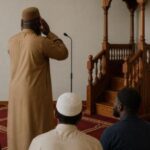
Waleed Najeeb grew up in Damascus, where observances of Laylat al-Qadr filled every mosque. “I always looked forward to it and tried to go to the mosque as early as possible, just to be able to get inside,” he recalled. “Every mosque overflowed with people and many even prayed outside on the street.
“It was very spiritually renewing,” he remembered. “You literally feel the mercy of God entering your heart. You feel God is listening to your supplication. You feel you are becoming a new person spiritually.” As Najeeb grew into a young man, he not only participated in observances in Syria, but also helped plan and organize them.
After moving to the United States at 24, he found the program for Laylat al-Qadr was abbreviated. Rather than praying and worshiping together until sunrise, participants marked the completion of the month-long reading of the Quran with sweets and fellowship, then everyone went home, he said.
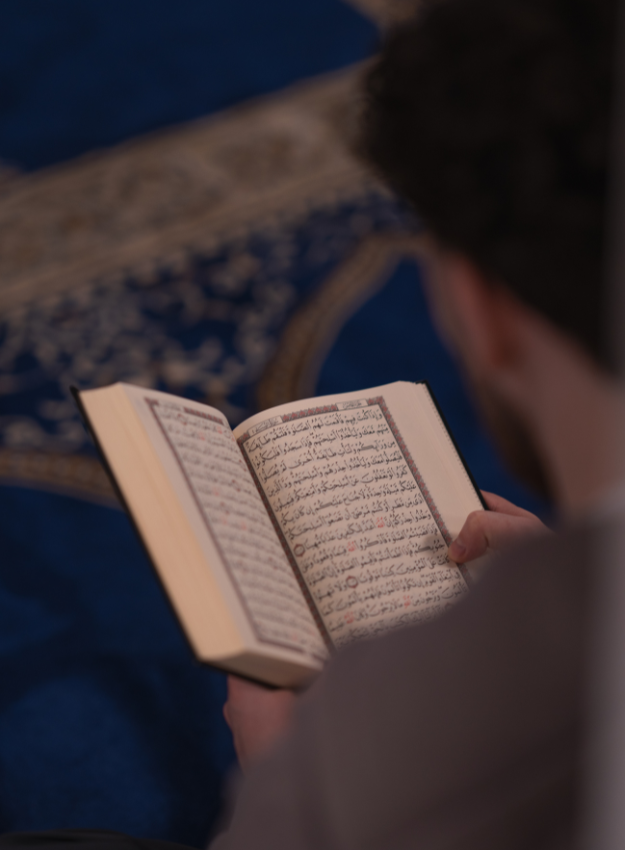
Photo by Yaseen Najeeb
Muslims earn even more bountiful rewards for their worship and good deeds on the Night of Power.
Eager to replicate the meaningful experience he grew up with for the community here, Najeeb proposed a full, night-long program. “Initially, there was some resistance,” he said, “but gradually, it became very popular.”
The program he initiated, and is still practiced today, begins with Isha prayer (the evening prayer), after the breaking of the Ramadan fast at sunset, and continues to Fajr, the dawn prayer, when fasting for the day begins. It includes the final Quran recitation, which concludes the month-long reading of the entire holy scripture and different kinds of prayers throughout the night, Najeeb said.
“Everyone breaks the fast at home then comes for Isha prayer,” he explained. “Then we pray Taraweeh (voluntary prayers exclusively for Ramadan) and conclude the Quran. You get a spiritual reward for completing it and we also have a physical reward, some sweets and snacks. It feels like a blessed meal we are sharing together. Then we go back to worship until about 5 o’clock in the morning, when we have suhoor (a meal before a day of fasting).
“MAS (the Muslim American Society) provides and serves food,” Najeeb added. “You’ll have tens of people serving the thousands in attendance. It is just beautiful. You feel you are eating with your larger family. You feel connected to everyone. People eat quickly and move on so the next people can have their turn.
An American Laylat al-Qadr
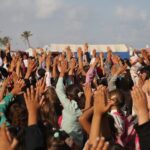
“What differentiates the experience here from Syria and other countries is that here you can literally see every ethnicity from all over the world represented and participating together that night,” Najeeb said. “They come with their beautiful, cultural dress, all of them coming with one goal, one purpose—to receive the mercy of God and forgiveness of God with an open heart. It’s beautiful to see.
“There are maybe 4,000 people in the Islamic Center that night, yet you feel peace and tranquility, as everyone focuses on their relationship with God,” Najeeb continued. “Some are worshiping together. Some will take personal time to connect with God in their own way. Yet, we all feel connected.
“I’m especially happy that night because I know many other Muslims throughout the world, especially those in front of me in Islamic Center, are being transformed, forgiven and renewed,” Najeeb said. “I’ll be exhausted by the end of the night, but so happy.”
New this year
“Every year, we have been turning hundreds away because we don’t have space for them in the masjid,” Najeeb said. “We are using the upstairs, the downstairs, the community hall, the center hall, the gym. Still, we have to turn many people away.”
This year, ISM is planning to duplicate the program at the Islamic Community Center at 815 W. Layton Ave. “We will run a parallel program with the same imams leading it but with different timings. The imams will be moving between the two places, doing their parts of the program throughout the night.
“With this approach, we can accommodate every person who would like to participate.”
Many of the youth will choose to go to the ISM Community Center on Layton because they like to be together, Najeeb added.
Laylat al-Qadr is one of the most important and sacred nights in the Islamic calendar.
Lots of people make it happen
Najeeb does a lot of work for the event, but it is not a one-man show, he said. The ISM Religious Committee helps with planning and organizing, he said. “We have a minute-by-minute schedule and everyone has a role.”
Likewise, the imams and youth directors from ISM’s three mosques participate, as well as imams from other mosques in Greater Milwaukee. Also, community volunteers help, he said.
“ISM Security Committee is responsible for managing the large number of people and the vehicles entering and exiting the parking lot. Office staff has been working on communication and marketing, as well as informing everyone about the logistics and rules we must follow. They also focus on the setting, the microphones and sound system, ordering supplies and food.
“Our housekeeping staff is also very busy, working hard to prepare the Islamic Center and keeping it clean through the night. And they have the cleanup afterwards as well.
“Hundreds of people will be participating to make this happen.”
“I want to give credit to Brother Waleed,” Abu Tariq said. “He does his best to make it a special night for all of us. He created a program that lifts our spirituality. He works hard for it and is always there from start to finish.”
Advice for newcomers
Abu Tariq shared this advice to newcomers: “Get there early. Last year so many people couldn’t get in. The masjid was at full capacity the entire night.
“Break your fast quickly and get to the masjid immediately to find a spot!”