Syracuse University Press describes “Muslims in Milwaukee: Placemaking, Belonging and Activism,” a new book by three University of Wisconsin-Milwaukee professors, as “a nuanced portrait of a growing Muslim community shaping identity, activism and civic life within the complex racial and social landscape of Milwaukee.”
Two Milwaukee Muslims approached the University of Wisconsin-Milwaukee’s Office of Development and Alumni Relations in 2010 to discuss initiating the first demographic study of Muslims in Milwaukee. One was the Islamic Society of Milwaukee’s first president, Waheeduddin Ahmed, Ph.D. The other—his son Aamer, a UWM graduate.
Three UWM professors expressed interest, and the Muslim Milwaukee Project began. Now, two decades later, Anna Mansson McGinty, Ph.D., Caroline Seymour-Jorn, Ph.D., and Kristin M. Sziarto, Ph.D., will celebrate the launch of their book, Muslims in Milwaukee: Placemaking, Belonging and Activism, with Milwaukee’s Muslim community.
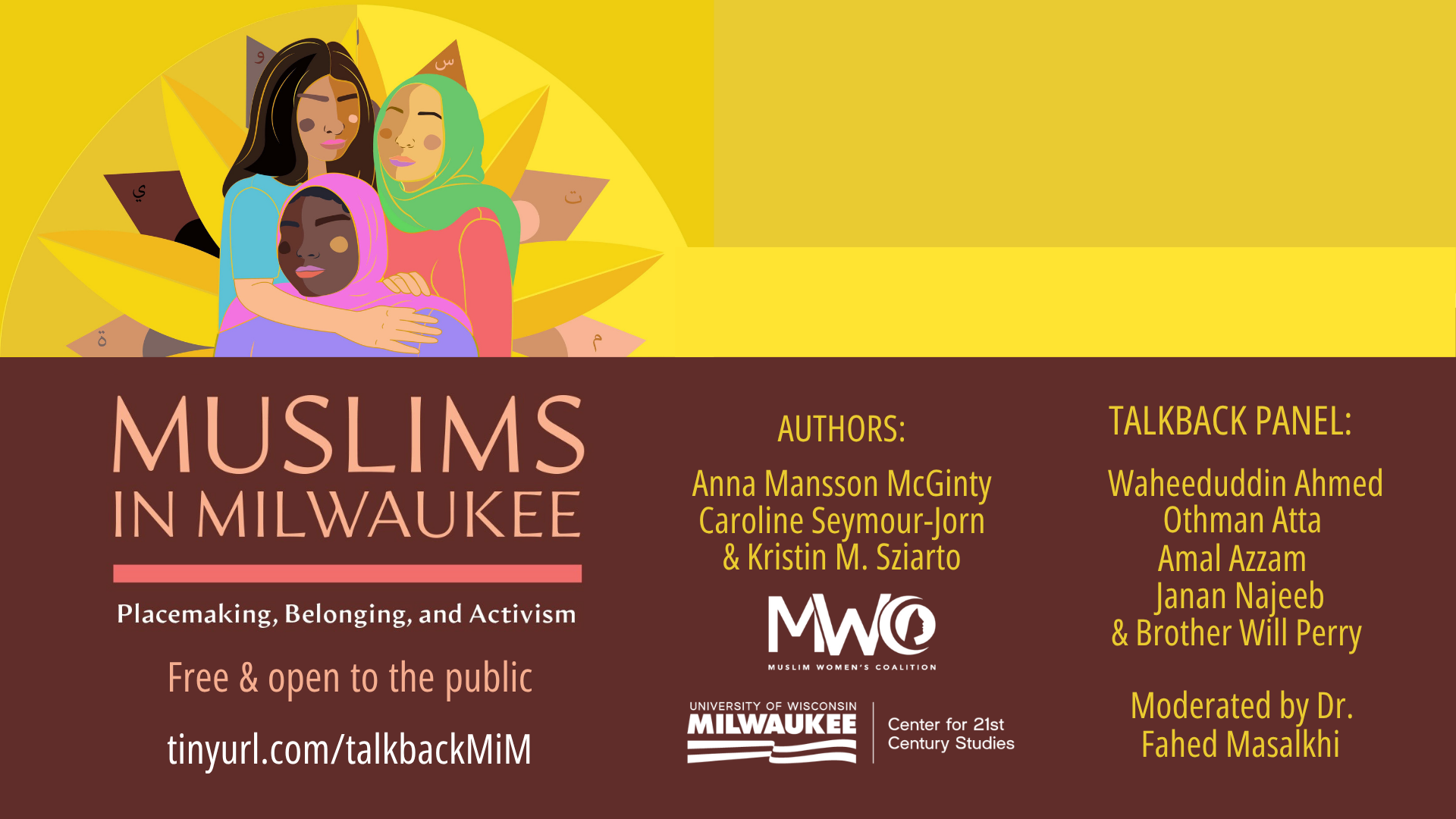
The Community Book Talkback: Muslims in Milwaukee will be held at the Islamic Resource Center, 5233 S. 27th St., Greenfield, Wednesday, May 20, 7-8:30 p.m. The authors will discuss their research and findings with the audience and a panel of prominent Milwaukee Muslim community leaders, including Dr. Ahmed, who initiated the project. The program is free and open to the public.
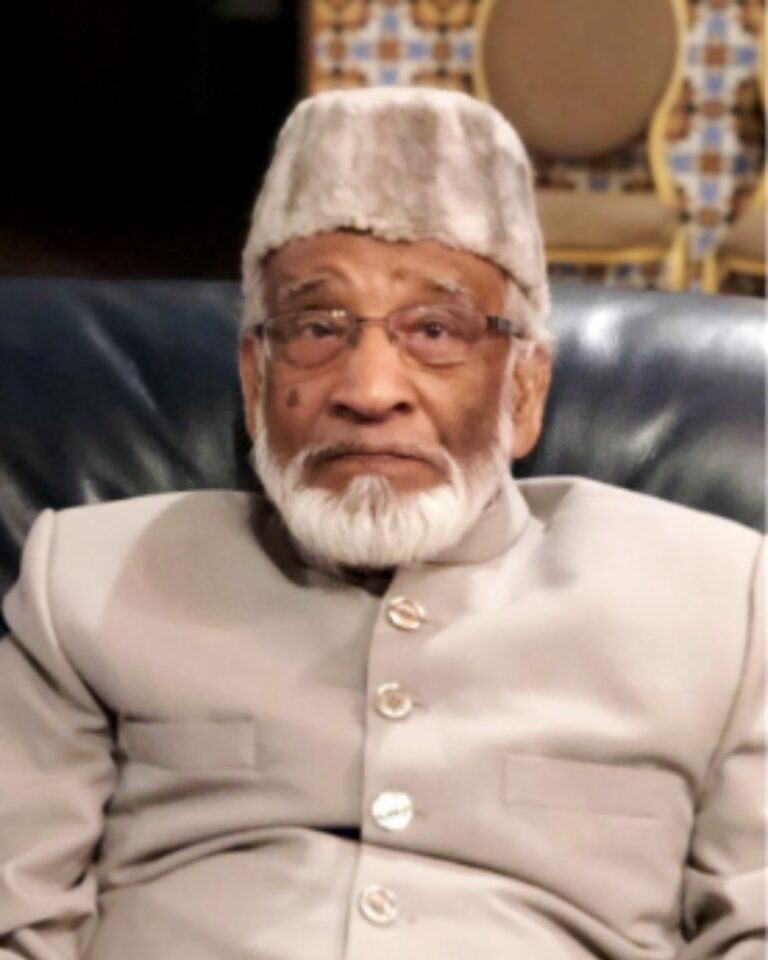
Waheeduddin Ahmed, Ph.D., the first president of the Islamic Society of Milwaukee, and his son, Aamer Ahmed, initiated a demographic survey of Milwaukee’s Muslims in 2010. The results are published in the new book, “Muslims in Milwaukee.”
The panel includes: Dr. Ahmed, an immigrant from Hyderabad, India, who earned his Ph.D. at the University of London; attorney Othman Atta, ISM’s executive director; artist Amal Azzam; Janan Najeeb, founder of the Muslim Women’s Coalition and the Wisconsin Muslim Civic Alliance; and Will Perry, former executive director of the Milwaukee Islamic Dawah Center and past president of the WMCA. It will be moderated by Fahed Masalkhi, Ph.D., a UWM senior teaching faculty member in the Department of Global Studies.
Publisher Syracuse University Press describes Muslims in Milwaukee: Placemaking, Belonging and Activism as “a nuanced portrait of a growing Muslim community shaping identity, activism and civic life within the complex racial and social landscape of Milwaukee.” It draws on over a decade of ethnographic fieldwork, surveys and extensive interviews with community members, students, artists, activists and leaders. British academic and social geographer Peter Hopkins, a professor at Newcastle University in England, calls it “a must-read for scholars and students across the social sciences and humanities interested in issues of race, religion, migration, identity, belonging, community and activism.”
A few copies of Muslims in Milwaukee: Placemaking, Belonging and Activism will be available for purchase at the talkback. In addition, a few cards will be available upon request at the event that offer a discount code for books ordered directly from the publisher, Syracuse University Press.
An interview with the authors
Wisconsin Muslim Journal interviewed authors McGinty, Seymour-Jorn and Sziarto this week about their new book and the upcoming talkback with Milwaukee’s Muslim community. Here are the highlights:
What led to your interest in studying Muslims in Milwaukee?
Seymour-Jorn: I got interested in Arabic, especially calligraphy, through a comparative religions class I took in college. I decided I wanted to learn this language. I was so lucky to be in college at a time when there was funding for American students to study abroad, so I went to Jordan and did a summer program, then kept going back for other programs.
I was trained as an anthropologist, and as an anthropologist, I work with creative people, particularly writers. Most of my research before this book was on writers and intellectuals in Egypt and Jordan.
I was teaching Arabic for my first seven years at UWM. I noticed how many of my students were from the Arab and Muslim community. I did a little research project about what motivated them to learn Arabic. I got interested in the community through these students.
I also volunteered in a group that doesn’t exist in Milwaukee anymore, the Anti-Discrimination Committee. It dealt with fighting discrimination against Arabs, Muslims and other people. That’s where I met Janan (Najeeb), Othman (Atta) and others.
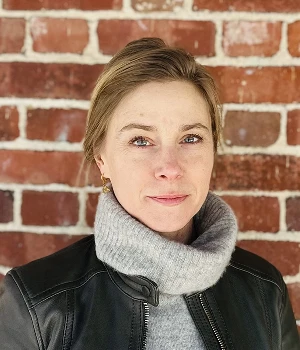
Anna Mansson McGinty, Ph.D., University of Wisconsin-Milwaukee associate professor of Geography, Women’s and Gender Studies
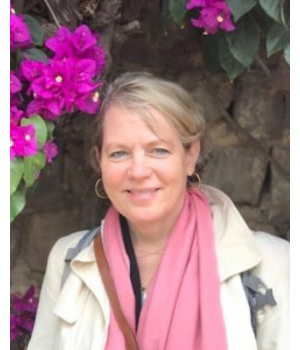
Caroline Seymour-Jorn, Ph.D., University of Wisconsin-Milwaukee professor of Comparative Literature and Global Studies Programs
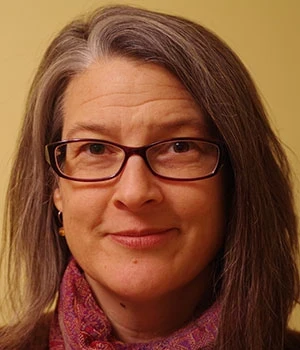
Kristin Sziarto, Ph.D., University of Wisconsin-Milwaukee associate professor of Geography and Women’s Studies
McGinty: I got my Ph.D. in European ethnology, which is very close to cultural anthropology. A lot of my graduate student peers in Sweden were studying immigrants and how Sweden was becoming a multicultural society. My Ph.D. thesis was on Swedish and American women who converted to Islam. I focused on their life stories and their narratives about the change of self and identity related to family and religious beliefs.
I came to UWM in 2003 and met Caroline. In 2007, we worked with the Muslim Women’s Coalition on a community-university collaboration project called “Combating Islamophobia.”
Sziarto: After graduating from college, I spent three or four months in Turkey. I became very interested in the culture and language. I’ve been reading about that part of the world ever since.
I also teach a class called World Peoples and Regions, and I always teach about the Middle East and North Africa. I’m not an expert on the region, but I need to know a fair amount to teach this class.
All my graduate education is in human geography. When I did my Ph.D. thesis at the University of Minnesota, I was very interested in working-class women of all ethnicities organizing together. I focused on healthcare workers and the unlikely alliances between healthcare workers, unions and religious leaders. One of the shortcomings of my research was that I never managed to get in touch with any Muslim clergy. I felt that was a big gap in that project.
When I arrived at UWM in Fall 2007, I met Caroline and Anna. Like them, one of my preferred research methods is ethnography.
In 2010, the College of Letters and Science put out a call to research on Milwaukee’s Muslim community. I saw it as a great opportunity to work with Caroline and Anna, and meet the various Muslim community leaders and members. The three of us thought, “We’re a public university and this is a community we care about. Let’s do this!”
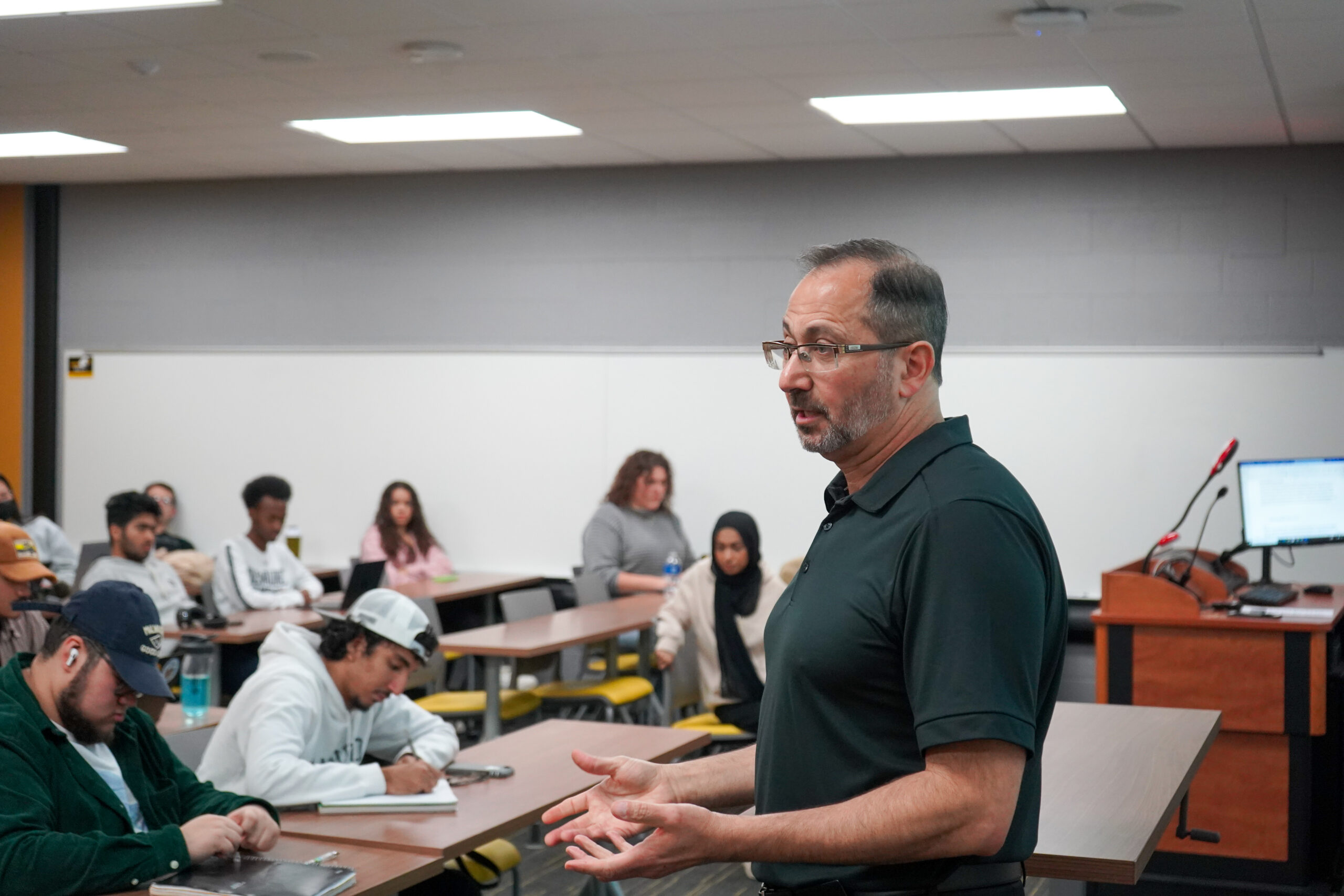
Fahed Masalkhi, Ph.D., will moderate a talkback between the authors of “Muslims in Milwaukee,” a panel of Milwaukee’s Muslim community leaders and the audience.
What are you anticipating at the forum with the Muslim community?
Seymour-Jorn: We have a wonderful moderator, Dr. Fahad Masalkhi, a UWM teaching faculty member and a member of the Muslim community. We met and decided we would introduce the central themes of the book, placemaking and activism, and share some of the basic findings. We want to have time for each of the Muslim leaders on the panel to give their reactions. They might see things that resonate with them. They might push back on other things.
Sziarto: One of the possibilities is that people may point out things the book doesn’t address, ideas for future research, which is useful for us and others as well.
McGinty: I think the topics of social justice and racial justice research will come up, or the recent collaboration within the Muslim community that is really impressive. We also talk about what we call “lived Islam.” It describes the everyday lived experience of embodying a Muslim identity in the context of living in one of the most segregated cities in the country.
We have a diverse group of panelists with a range of perspectives, from Dr. Ahmed in his mid-nineties to the young artist Amal Azzam. We want the focus to be on the panelists’ reactions: What surprised them? Is there something they endorse? Something they resist?
We also want to have time for a Q & A with the audience.
Your book has been praised as a must-read for academics. Is it also something for general readers? Can it help those who don’t know Muslims overcome some of the stereotypes they hold?
Seymour-Jorn: I would certainly like to think so. Stereotypes are often just based on ignorance. When you start to get to know a person or a community, you realize how complex it is. It offers an opportunity to think about the humanity of people who are often negatively stereotyped and, unfortunately, also dehumanized.
McGinty: Highlighting everyday lives promotes a sense of familiarity and commonality that speaks against anti-Muslim or anti-Arab racism. You see, they are not only Muslims, but have other identities, too, both religious and non-religious, that resonate with all of us. One way of writing scholarship against Islamophobia is to highlight everyday life, with all its interests and activities, the lives we all live. The sense of familiarity can replace a sense of otherness.
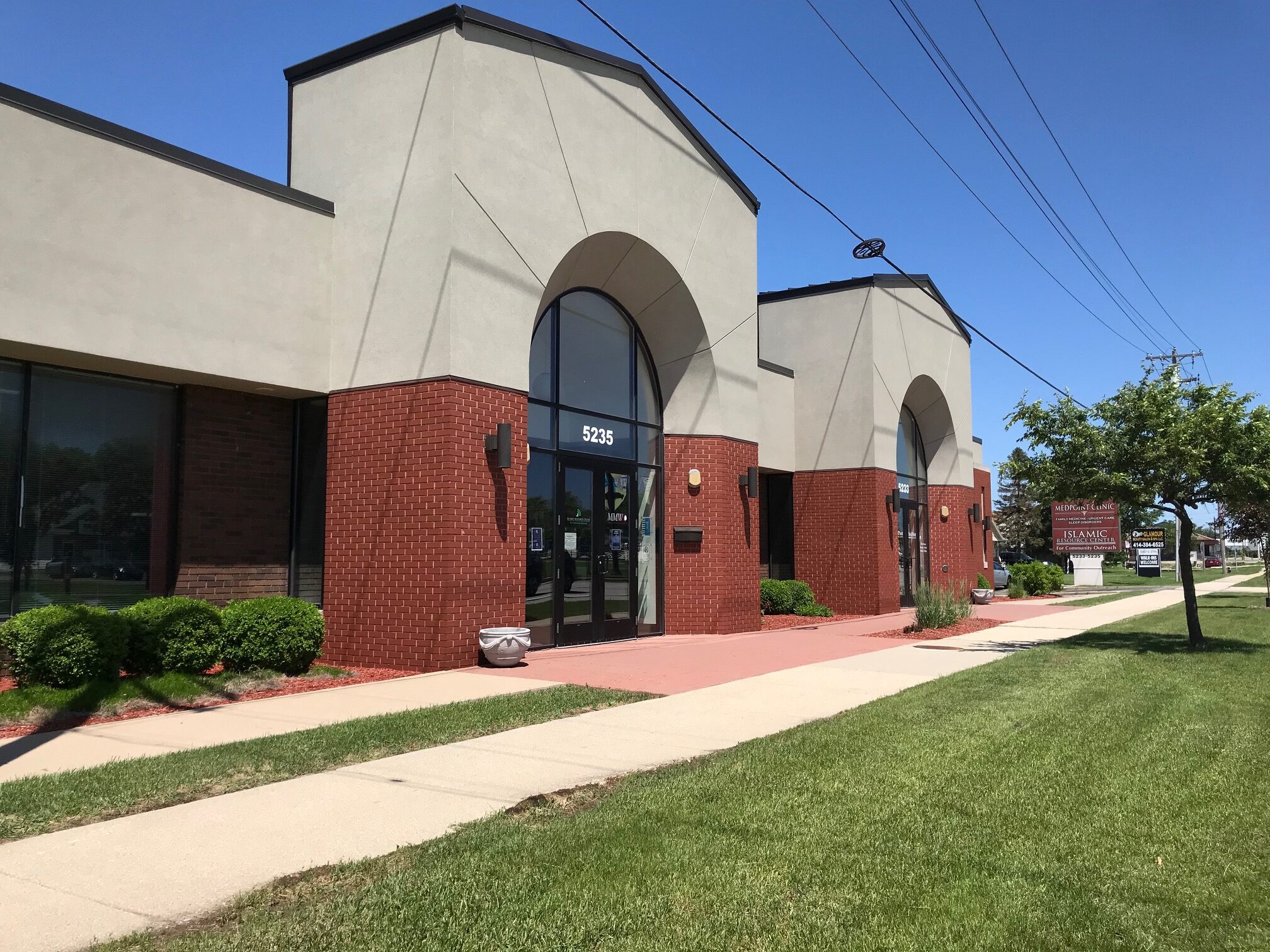
Community Book Talkback: Muslims in Milwaukee will be held at the Islamic Resource Center, 5233 S. 27th St., Greenfield, Wednesday, May 20, 7-8:30 p.m.
What is unique about this research?
Sziarto: One of the really important things we’re trying to do with this book is have people pay attention to Milwaukee as a place because it’s understudied. Unlike Chicago, which has a huge role in American sociology’s study of the American city and in urban studies, Milwaukee is a medium-sized town. In terms of Muslim communities in the U.S., there’s focus on Chicago, Detroit, New York and Los Angeles because of the sheer numbers of Muslims living there. Milwaukee gets left out.
Seymour-Jorn: There’s also a lot of research about Arab Americans. Of course, not all Arab Americans are Muslim. Many are Christian. And not all Muslims are Arabs. These are overlapping fields.
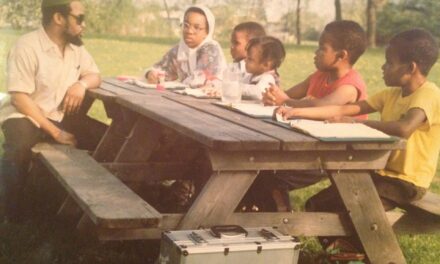
McGinty: Muslims in Milwaukee are very diverse. They have a community with a long history.
Is the experience of Muslims in Milwaukee typical of American Muslims in mid-sized cities?
Sziarto: We can’t generalize to other places, but we can ask, “So how did you come to have this experience?” We can think through the fact that Milwaukee is one of the most racially segregated cities in the country. Where are they understanding they fit in?
Seymour-Jorn: One thing we can say, based on our reading of our research and research on other Muslim communities around the country, is that there are a lot of common problems that Muslims experience around the nation. Unfortunately, one of those is a real lack of knowledge from many Americans about Islam and a real fear of Muslims. Examples include the erroneous beliefs that Muslims all oppress women or that they are trying to establish something called sharia law here.
Another thing we saw in our research is so much change going on between the older and younger generations. Sometimes that creates tension but it is also creating a lot of dynamism, with young people taking up the torch and developing activism in new ways.
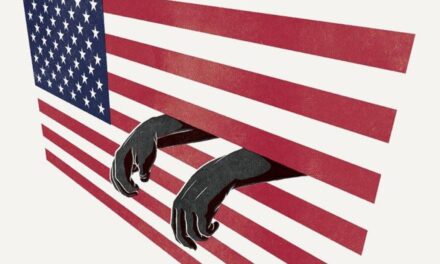
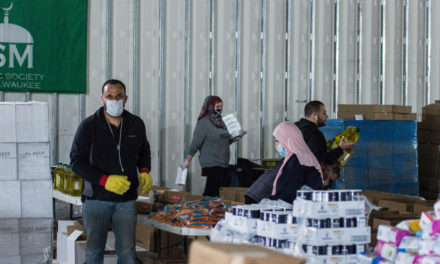
McGinty: What really impressed me is, with Milwaukee being a mid-sized city in the Midwest, we can’t talk about “the Muslim community.” We have to talk about “Muslim communities.” And, because Milwaukee is smaller than Chicago or Los Angeles, we’ve witnessed a civic collaboration across the city between different groups, across different neighborhoods. They have been able to collaborate and do institutional building that might be different in a larger city. There is something to be said about this smaller landscape lending itself to a lot of collaboration and effective organizing. Like now, with the detention of (ISM president) Salah Sarsour (who is being held by ICE), the immediacy of the reaction and how the community can mobilize itself so quickly speaks to all these channels of communication the communities have created
Sziarto: I give big credit to the leaders themselves for putting themselves out there all the time and developing all these interactions, for developing relationships with interfaith coalitions and elected officials. Muslim leaders have done the hard work of organizing across different communities and cultivating leadership across generations.
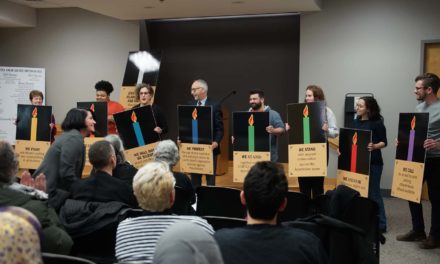
Sometimes these relationships lead to really productive outcomes, like when the Brookfield branch of ISM was going to be built and there was a neighborhood pushback. An interfaith coalition came together to support the building of the mosque.
Seymour-Jorn: It’s a small community, but a very active. It’s a community that’s making its mark on Milwaukee and it’s an important community to know about.