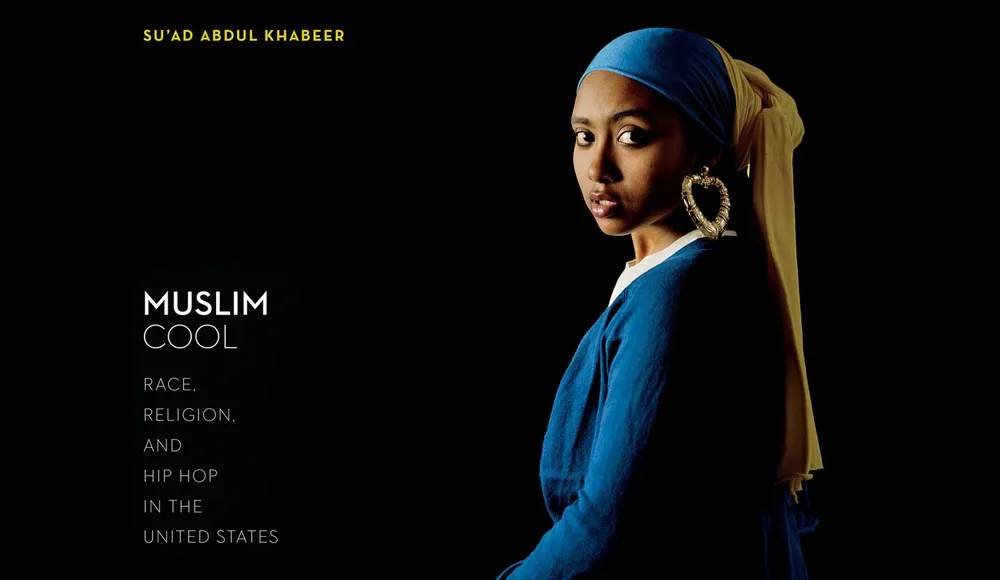
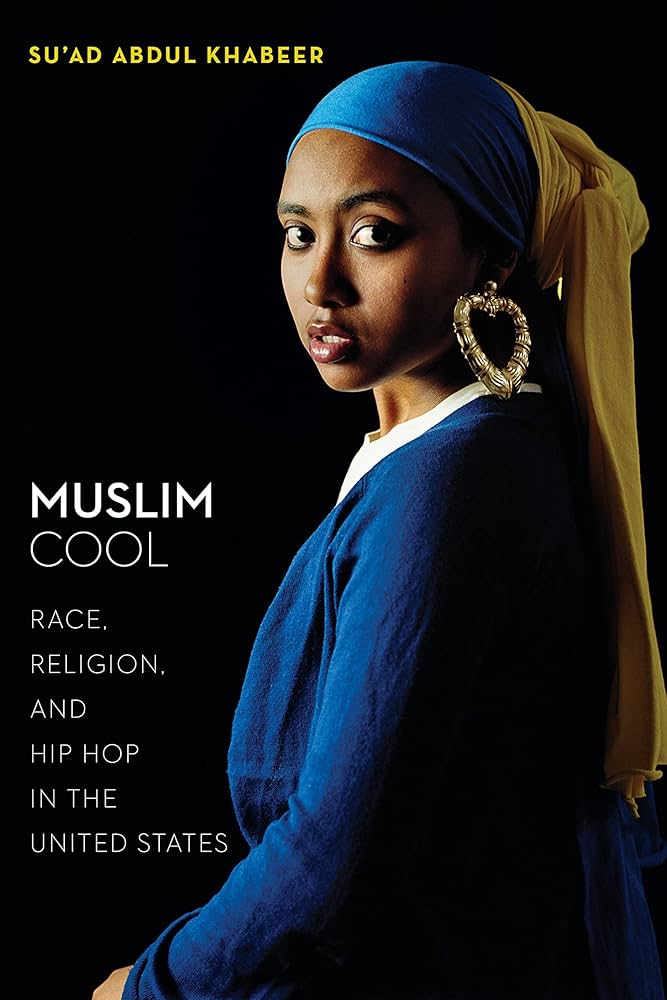
Forged at the intersection of Islam and hip hop, “Muslim Cool” by Su’ad Abdul Khabeer, is a way of being Muslim that draws on Blackness to challenge white supremacy and the anti-Blackness found in Arab and South Asian U.S. Muslim communities. (publisher synopsis)
February is Black History Month. The Islamic Resource Center (IRC) and the Muslim Women’s Coalition honor Black history and culture by featuring books from the library’s catalog that explore the Black Muslim identity.
The IRC book selections reflect facets of Black history, a wide representation of the African Muslim experience, current politicians, athletes, scholars, thought leaders, hip hop artists and the African diaspora.
To check out these and other books, visit the IRC library at 5235 S. 27th St. in Greenfield, Monday through Friday from 10 a.m. until 6 p.m. The library collection includes books for children of all ages and books for adults. A library card is required to check out books and media. Library cards are issued in person during business hours.
Each Black History Month book includes a synopsis from the publisher.
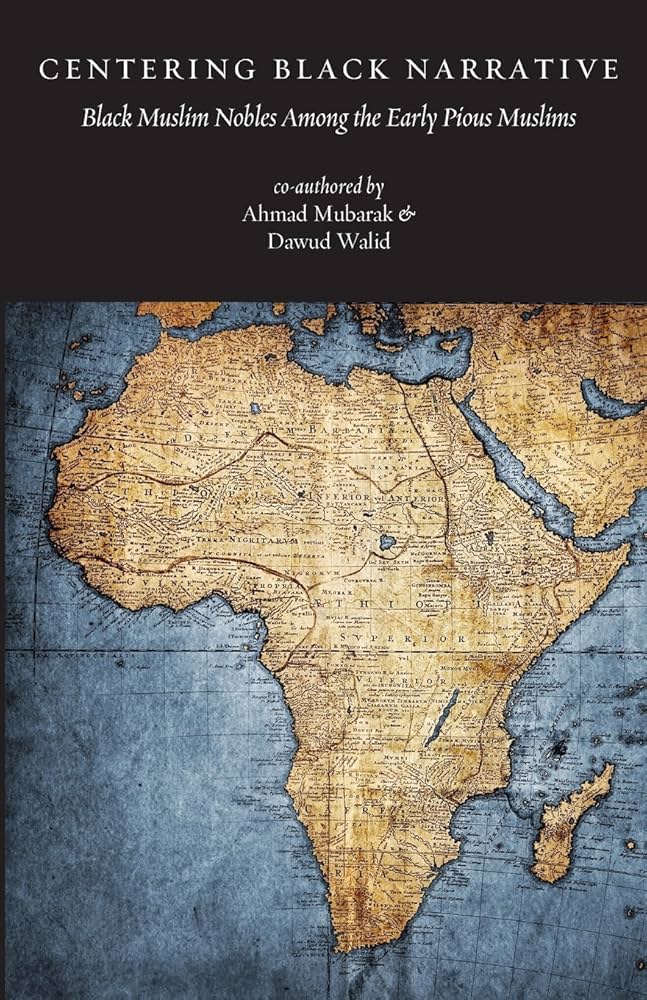
Blackness is a term which has been understood differently based upon time and geography. The authors of this book explore how the term was understood by Arabs during the era surrounding the first three generations of Muslims and how such context can better inform understanding who from among them would today be considered Black Muslims in the West.
This is very important in light of the effects of colonialism and scientific racism theories such as eugenics etc.,, have forced the idea of species level taxonomies which are in reality social constructs upon the psyche of laymen across the globe.
By examining texts of antiquity and centering them in the modern discourse, it is hoped that the nuance and breadth of the human experience can be appreciated.
Moving beyond providing generic descriptive terminology, they elucidate in detail particulars based upon semantics of the Arabic language.
Authors then give biographical information on a series of early Muslims from African and Arab lineage who would be considered Black in the post modern era.
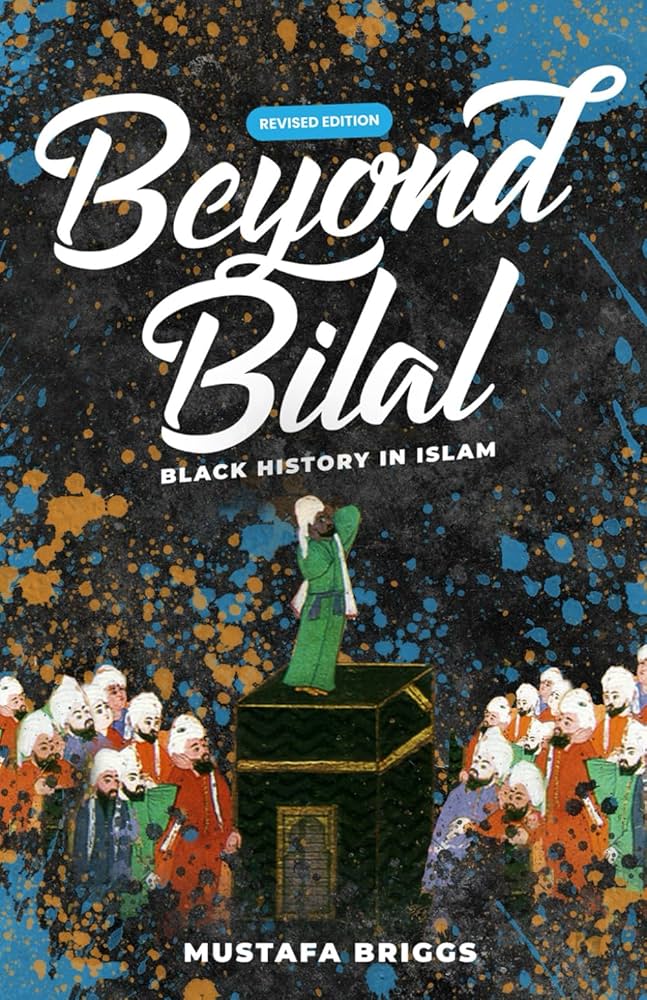
Black History in Islam explores the profound and often-overlooked connection between Islam and Black history, revealing the pivotal role of Black Muslims across centuries and continents.
Explore the profound history of Black Muslims, from the Black Prophets and prominent figures in the Qurʾān to the often-overlooked Black Ṣaḥābah and scholars who shaped the foundation of early Islamic thought. This book traces Islām’s journey through powerful African empires such as Ghana, Mali and Songhai, highlights the reign of Black emperors in India and Bangladesh, and examines the influence of African Muslims across the Arab world and even as far as the Americas, where they may have arrived long before Columbus.
Through the lives and achievements of Black Muslim warriors, saints, poets, and intellectuals, Beyond Bilāl illuminates the vital contributions of Black Muslims and their enduring legacy on the international relations and cultural tapestry of the Muslim world. Briggs presents this history as an accessible and open conversation, following the tradition of classical African scholarship. By breaking down academic barriers, Beyond Bilāl invites readers to rediscover and celebrate the diverse and enduring contributions of Black Muslims across time and place, bridging the past with the present.
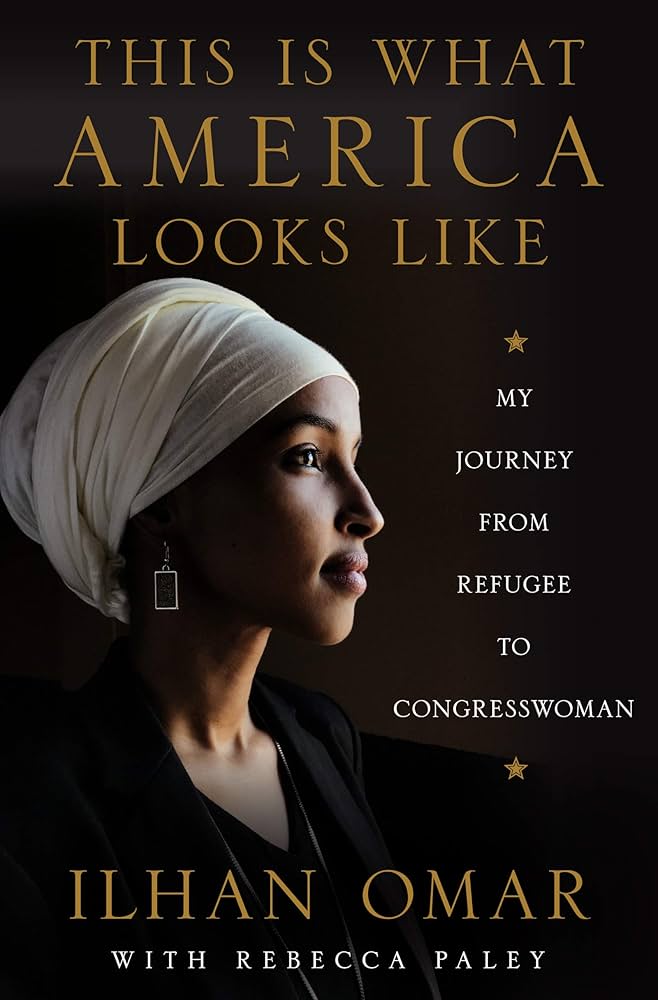
Ilhan Omar was only eight years old when war broke out in Somalia. The youngest of seven children, her mother had died while Ilhan was still a little girl. She was being raised by her father and grandfather when armed gunmen attacked their compound and the family decided to flee Mogadishu. They ended up in a refugee camp in Kenya, where Ilhan says she came to understand the deep meaning of hunger and death. Four years later, after a painstaking vetting process, her family achieved refugee status and arrived in Arlington, Virginia.
Aged twelve, penniless, speaking only Somali and having missed out on years of schooling, Ilhan rolled up her sleeves, determined to find her American dream. In under two decades she became a grassroots organizer, graduated from college and was elected to congress with a record-breaking turnout by the people of Minnesota—ready to keep pushing boundaries and restore moral clarity in Washington D.C. A beacon of positivity in dark times, Congresswoman Omar has weathered many political storms and yet maintained her signature grace, wit and love of country—all the while speaking up for her beliefs. As a result, This is What America Looks Like is both the inspiring coming of age story of a refugee and a multidimensional tale of the hopes and aspirations, disappointments and failures, successes, sacrifices and surprises, of a devoted public servant with unshakable faith in the promise of America.
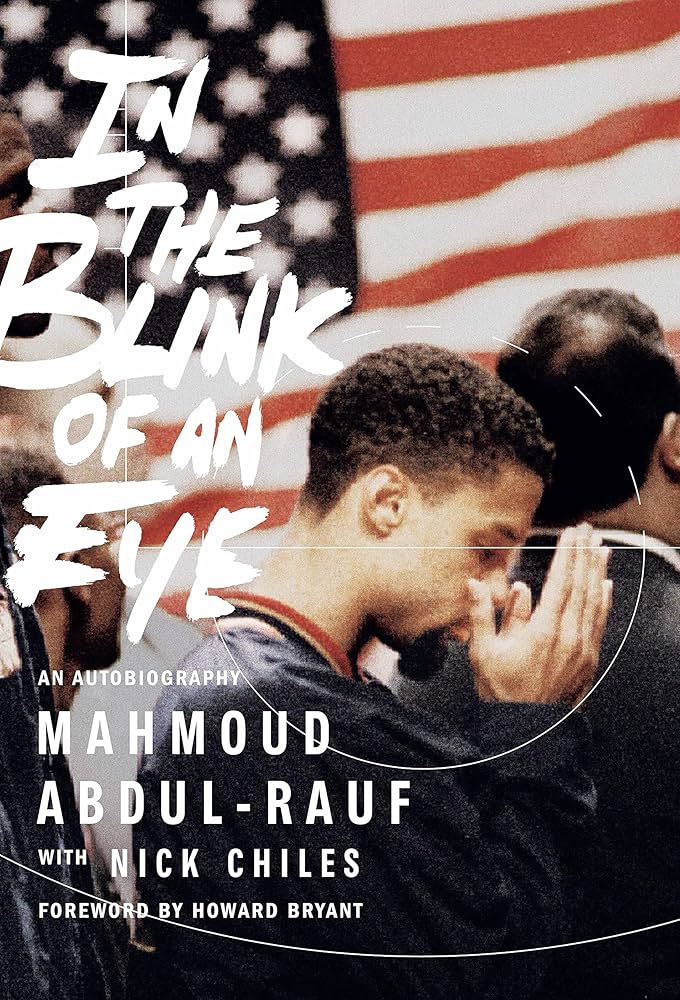
In an autobiography marked by staggering vulnerability, former NBA star Mahmoud Abdul-Rauf–whose given name was Chris Jackson before converting to Islam and changing it in 1991–recounts the twists, turns, trials, and triumphs of his life. He is perhaps most well-known for being exiled from the league for praying—instead of standing and saluting the flag – during the playing of “The Star-Spangled Banner” before games throughout the 1995–96 season.
Abdul-Rauf’s protest sent shockwaves through the NBA that can still be felt today. With wit and candor, Abdul-Rauf tells the story of how he rose to the top of his game—only to have his career taken away in the blink of an eye when he stood up for his principles. He also recounts his experiences living with Tourette Syndrome, committing his life to the Islamic faith, and growing up estranged from his father.
In the Blink of an Eye challenges readers to examine our own lives by asking what we value, how we want to be remembered, and how we can contribute to making the world a better place. Through evocative passages that place the reader in the heat of the moment as well as poignant portraits of the important people in his life, This book is a must-read for anyone who has faced down adversity by standing up for the integrity of their own life, path, and identity.
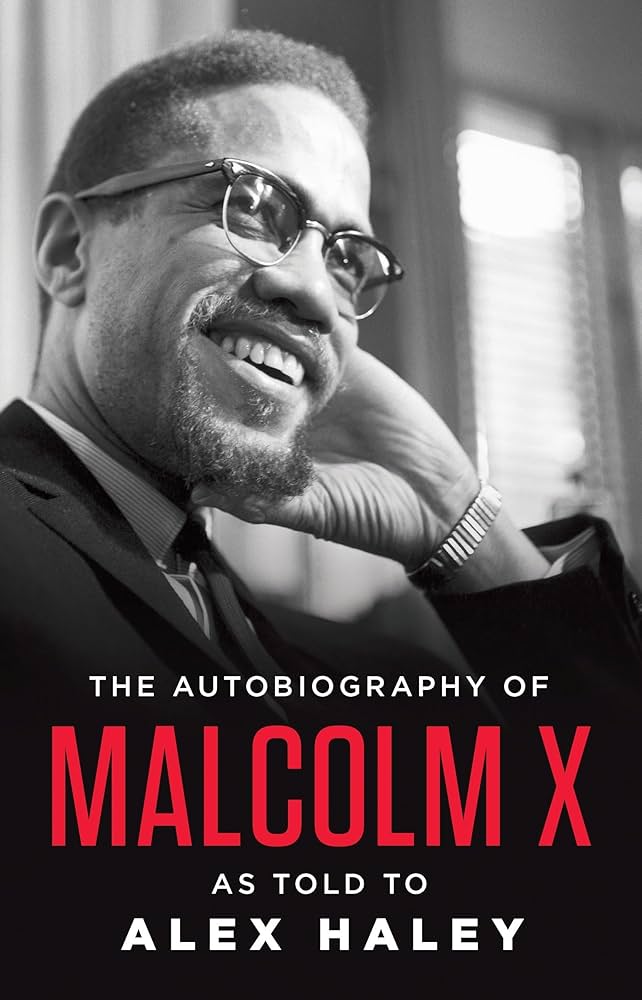
In the searing pages of this classic biography, Malcolm X, the Muslim leader, firebrand, and activist, tells the remarkable story of his life and the growth of the Black Muslim movement to veteran writer and journalist Alex Haley. Haley worked with Malcolm X for nearly two years; all the while, Malcolm did “not expect to live long enough to read this book in its finished form.” As clear-eyed about his own fate as he was about the plight of his community, Malcolm saw his truth-telling as a gift that would live beyond his own mortality.
Raised in Lansing, Michigan, Malcolm Little journeyed on a road to fame as astonishing as it was unpredictable. Drifting from childhood poverty to petty crime, Malcolm found himself in jail. It was there that he encountered the teachings of the Black Muslim leader Elijah Muhammad.
The newly renamed Malcolm X devoted himself body and soul to Islam, quickly becoming the Nation’s foremost spokesman. When his conscience forced him to leave the group, Malcolm founded the Organization of Afro-American Unity to spread an inspiring message of pride, power, and self-determination across the country.
The Autobiography of Malcolm X stands as the definitive statement of a movement and a man whose work was never completed but whose message is timeless.
Interviews with young Muslims in Chicago explore the complexity of identities formed at the crossroads of Islam and hip hop. This groundbreaking study of race, religion and popular culture in the 21st century United States focuses on a new concept, “Muslim Cool.” Muslim Cool is a way of being an American Muslim―displayed in ideas, dress, social activism in the ’hood, and in complex relationships to state power.
Drawing on over two years of ethnographic research, Su’ad Abdul Khabeer illuminates the ways in which young and multiethnic US Muslims draw on Blackness to construct their identities as Muslims. This is a form of critical Muslim self-making that builds on interconnections and intersections, rather than divisions between “Black” and “Muslim.” Thus, by countering the notion that Blackness and the Muslim experience are fundamentally different, Muslim Cool poses a critical challenge to dominant ideas that Muslims are “foreign” to the United States and puts Blackness at the center of the study of American Islam. Yet Muslim Cool also demonstrates that connections to Blackness made through hip hop are critical and contested―critical because they push back against the pervasive phenomenon of anti-Blackness and contested because questions of race, class, gender, and nationality continue to complicate self-making in the United States.
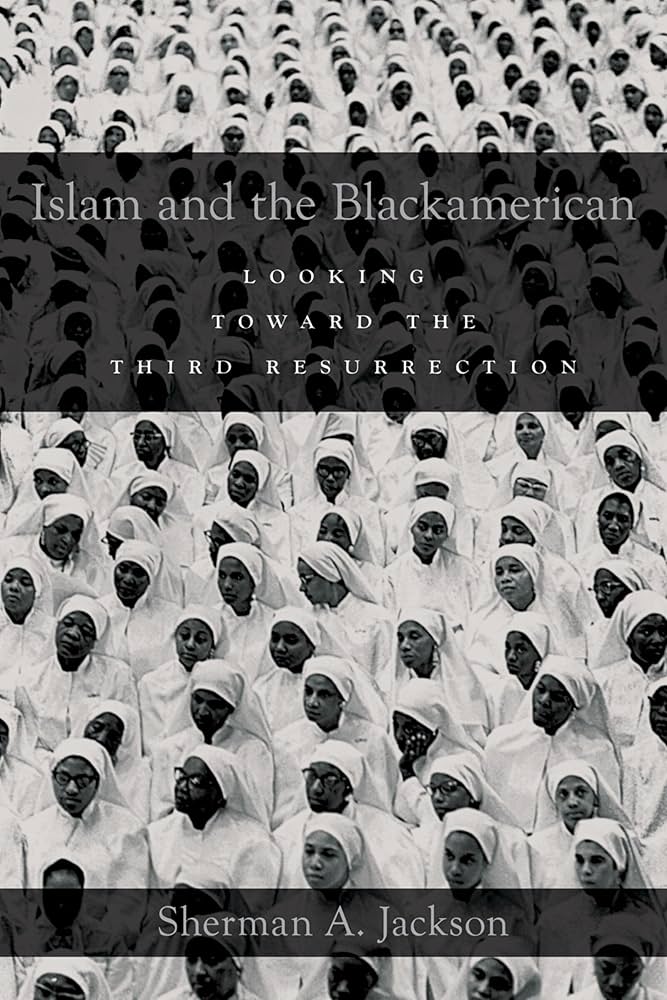
Sherman Jackson offers a trenchant examination of the career of Islam among the blacks of America. Jackson notes that no one has offered a convincing explanation of why Islam spread among Blackamericans (a coinage he explains and defends) but not among white Americans or Hispanics. The assumption has been that there is an African connection. In fact, Jackson shows, none of the distinctive features of African Islam appear in the proto-Islamic, black nationalist movements of the early 20th century. Instead, he argues, Islam owes its momentum to the distinctively American phenomenon of “Black Religion,” a God-centered holy protest against anti-black racism.
Islam in Black America begins as part of a communal search for tools with which to combat racism and redefine American blackness. The 1965 repeal of the National Origins Quota System led to a massive influx of foreign Muslims, who soon greatly outnumbered the blacks whom they found here practicing an indigenous form of Islam. Immigrant Muslims would come to exercise a virtual monopoly over the definition of a properly constituted Islamic life in America. For these Muslims, the nemesis was not white supremacy, but “the West.” In their eyes, the West was not a racial, but a religious and civilizational threat. American blacks soon learned that opposition to the West and opposition to white supremacy were not synonymous.
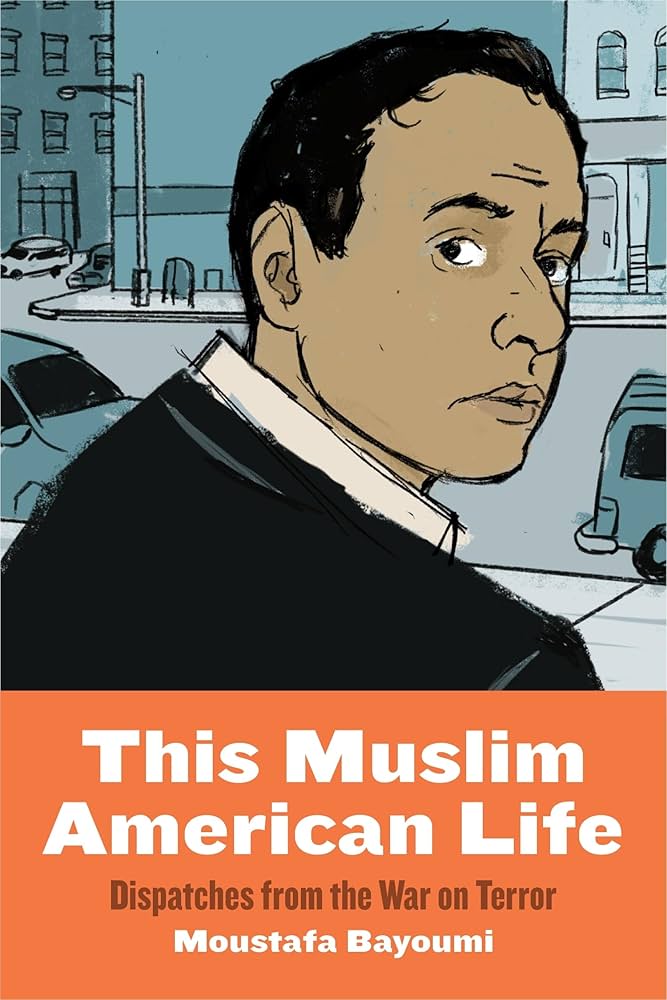
A collection of insightful and heartbreaking essays on Muslim-American life after 9/11
Over the last few years, Moustafa Bayoumi has been an extra in Sex and the City 2 playing a generic Arab, a terrorist suspect (or at least his namesake “Mustafa Bayoumi” was) in a detective novel, the subject of a trumped-up controversy because a book he had written was seen by right-wing media as pushing an “anti-American, pro-Islam” agenda, and was asked by a U.S. citizenship officer to drop his middle name of Mohamed.
Others have endured far worse fates. Sweeping arrests following the terrorist attacks of September 11, 2001 led to the incarceration and deportation of thousands of Arabs and Muslims, based almost solely on their national origin and immigration status. The NYPD, with help from the CIA, has aggressively spied on Muslims in the New York area as they go about their ordinary lives, from noting where they get their hair cut to eavesdropping on conversations in cafés. In This Muslim American Life, Moustafa Bayoumi reveals what the War on Terror looks like from the vantage point of Muslim Americans, highlighting the profound effect this surveillance has had on how they live their lives. In gripping essays, Bayoumi exposes how contemporary politics, movies, novels, media experts and more have together produced a culture of fear and suspicion that not only willfully forgets the Muslim-American past, but also threatens all of our civil liberties in the present.
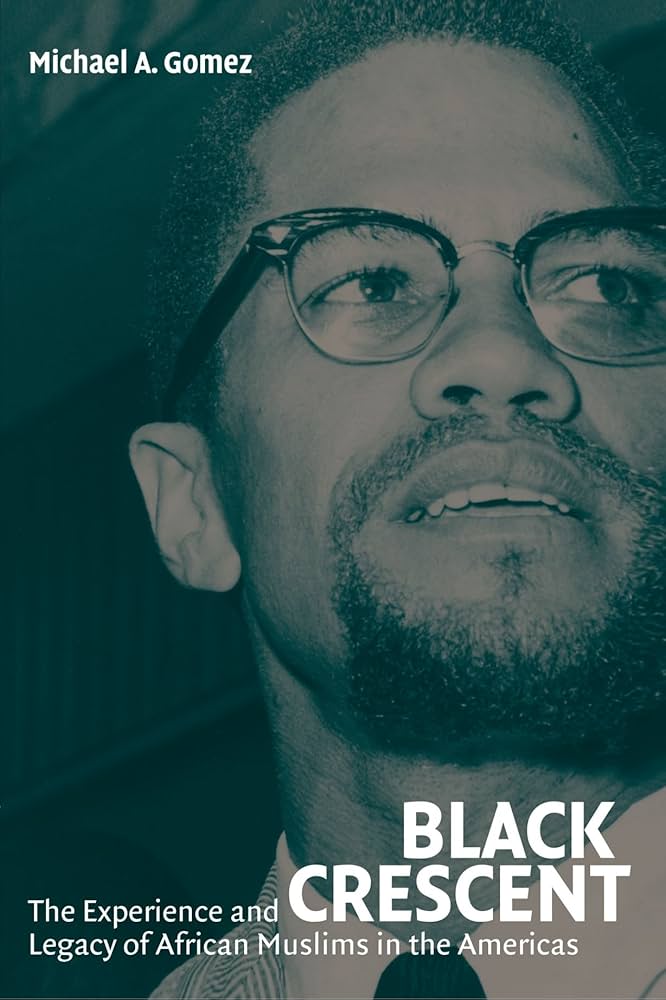
Beginning with Latin America in the fifteenth century, this book comprises a social history of the experiences of African Muslims and their descendants throughout the Americas, including the Caribbean. The years under slavery are examined, as well as the post-slavery period.
The study also analyzes Muslim revolts in Brazil–especially in 1835.
The second part of the book traces the emergence of Islam among U.S. African descendants in the twentieth century, featuring chapters on Noble Drew Ali, Elijah Muhammad, and Malcolm X to explain how orthodoxy arose from varied unorthodox roots.
Currently Professor of History and Middle Eastern Studies at NYU, Michael Gomez has research interests that include Islam in West Africa, the African diaspora and African culture in North America.
He has been involved with the launching of a new academic organization, the Association for the Study of the Worldwide African Diaspora (ASWAD), and has published widely in the field.
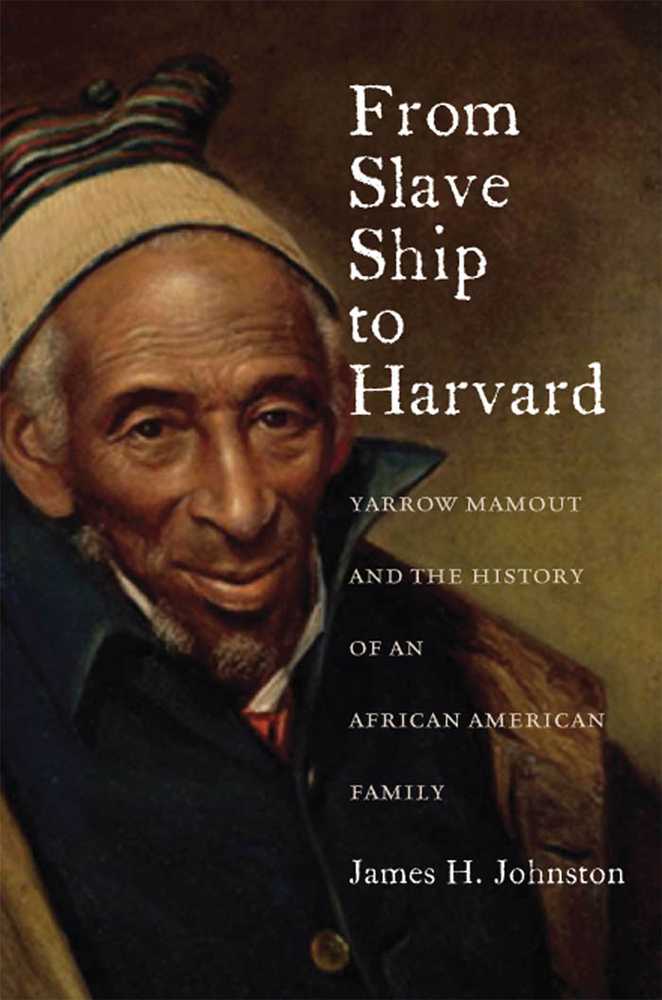
From Slave Ship to Harvard is the true story of an African American family in Maryland over six generations. The author has reconstructed a unique narrative of black struggle and achievement from paintings, photographs, books, diaries, court records, legal documents, and oral histories. From Slave Ship to Harvard traces the family from the colonial period and the American Revolution through the Civil War to Harvard and finally today.
Yarrow Mamout, the first of the family in America, was an educated Muslim from Guinea. He was brought to Maryland on the slave ship Elijah and gained his freedom forty-four years later. By then, Yarrow had become so well known in the Georgetown section of Washington, D.C., that he attracted the attention of the eminent American portrait painter Charles Willson Peale, who captured Yarrow’s visage in the painting that appears on the cover of this book.
Just as Peale painted the portrait of Yarrow, James H. Johnston’s new book puts a face on slavery and paints the history of race in Maryland. It is a different picture from what most of us imagine. Relationships between blacks and whites were far more complex, and the races more dependent on each other. Fortunately, as this one family’s experience shows, individuals of both races repeatedly stepped forward to lessen divisions and to move America toward the diverse society of today.
African Muslims in Antebellum America: Transatlantic Stories and Spiritual Struggles by Allan D. Austin.
A condensation and updating of his African Muslims in Antebellum America: A Sourcebook (1984), noted scholar of antebellum black writing and history Dr. Allan D. Austin explores, via portraits, documents, maps, and texts, the lives of 50 sub-Saharan non-peasant Muslim Africans caught in the slave trade between 1730 and 1860. Also includes five maps.
Five classic Muslim Slave Narratives by Selim Aga, Job Ben Sulaiman, Nicholas Said, Omar ibn Said, Abu Bakr Sadiq Edited by Muhammad A. Al-Ahari
The presentation of Africa, Islam and slavery in the American slave Narratives of Muslim slaves in the Americas is a topic that is often overlooked in discussing the genre of slave narratives and the birth of African American Literature. By reexamining these often overlooked narratives we can get insight into African Islam, the turmoil of integration into a foreign culture, life in Africa, and life as a slave in the Americas. The primary sources include: the narrative of Job ben Solomon, the two autobiographical pieces of Muhammad Said of Bornu, the Arabic autobiography of ‘Umar ibn Said, the Jamaican narrative of Abu Bakr Said, a discussion of coverage on Bilali Muhammad’s excerpts from the Risalah of Abi Zaid, Theodore Dwight’s articles on the teaching methods of the Serachule teacher slave Lamen Kebe, and a letter describing Salih Bilali.
Islam in the African-American Experience by Richard Brent Turner
The involvement of black Americans with Islam reaches back to the earliest days of the African presence in North America. Part I of the book explores these roots in the Middle East, West Africa, and antebellum America. Part II tells the story of the “Prophets of the City”―the leaders of the new urban-based African American Muslim movements in the 20th century. Turner places the study of Islam in the context of the racial, ethical, and political relations that influenced the reception of successive presentations of Islam, including the West African Islam of slaves, the Ahmadiyya Movement from India, the orthodox Sunni practice of later immigrants, and the Nation of Islam.
Jefferson’s Muslim Fugitives: the Lost Story of Enslaved Africans, their Arabic letters, and an American President by Jeffrey Einboden
Jefferson’s Muslim Fugitives reveals the untold story of two escaped West Africans in the American heartland whose Arabic writings reached a sitting US president, prompting him to intervene on their behalf. Recounting a quest for emancipation that crosses borders of race, region and religion, Jeffrey Einboden unearths Arabic manuscripts that circulated among Jefferson and his prominent peers, including a document from 1780s Georgia which Einboden identifies as the earliest surviving example of Muslim slave authorship in the newly formed United States. Revealing Jefferson’s lifelong entanglements with slavery and Islam, Jefferson’s Muslim Fugitives tracks the ascent of Arabic slave writings to the highest halls of US power, while questioning why such vital legacies from the American past have been entirely forgotten.
Muslims in America: A Short History by Edward E. Curtis IV
Muslims have been a vital presence in North America since the 16th century. Here for the first time is a brief introduction to the entire span of their religious history, featuring the stories and voices of Muslims Americans from every religious, racial, and ethnic background.
Muslims in America: Seven Centuries of History, 1312-2000: Collections and Stories of American Muslims by Amir Nashid Ali Muhammad
This is the second edition of Muslims in America-Seven Centuries of History (1312-2000) by Amir Muhammad. The author who has become well known through his traveling museum of ‘Muslims in America’ has dug out new information about the presence of Muslims in early America and their continued contributions to the enrichment of American Society. It is a small book packed with much information for further research and reflection.
Servants of Allah: African Muslims Enslaved in the Americas by Sylviane A. Diouf
Illuminates how African Muslims drew on Islam while enslaved, and how their faith ultimately played a role in the African Disapora. Servants of Allah presents a history of African Muslims, following them from West Africa to the Americas. Although many assume that what Muslim faith they brought with them to the Americas was quickly absorbed into the new Christian milieu, as Sylviane A. Diouf demonstrates in this meticulously-researched, groundbreaking volume, Islam flourished during slavery on a large scale.
The struggle for the People’s King: How Politics Transforms the Memory of the Civil Rights Movement by Hajar Yazdiha
In the post-civil rights era, wide-ranging groups have made civil rights claims that echo those made by Black civil rights activists of the 1960s, from people with disabilities to women’s rights activists and LGBTQ coalitions. Increasingly since the 1980s, white, right-wing social movements, from family values coalitions to the alt-right, now claim the collective memory of civil rights to portray themselves as the newly oppressed minorities. The Struggle for the People’s King reveals how, as these powerful groups remake collective memory toward competing political ends, they generate offshoots of remembrance that distort history and threaten the very foundations of multicultural democracy.